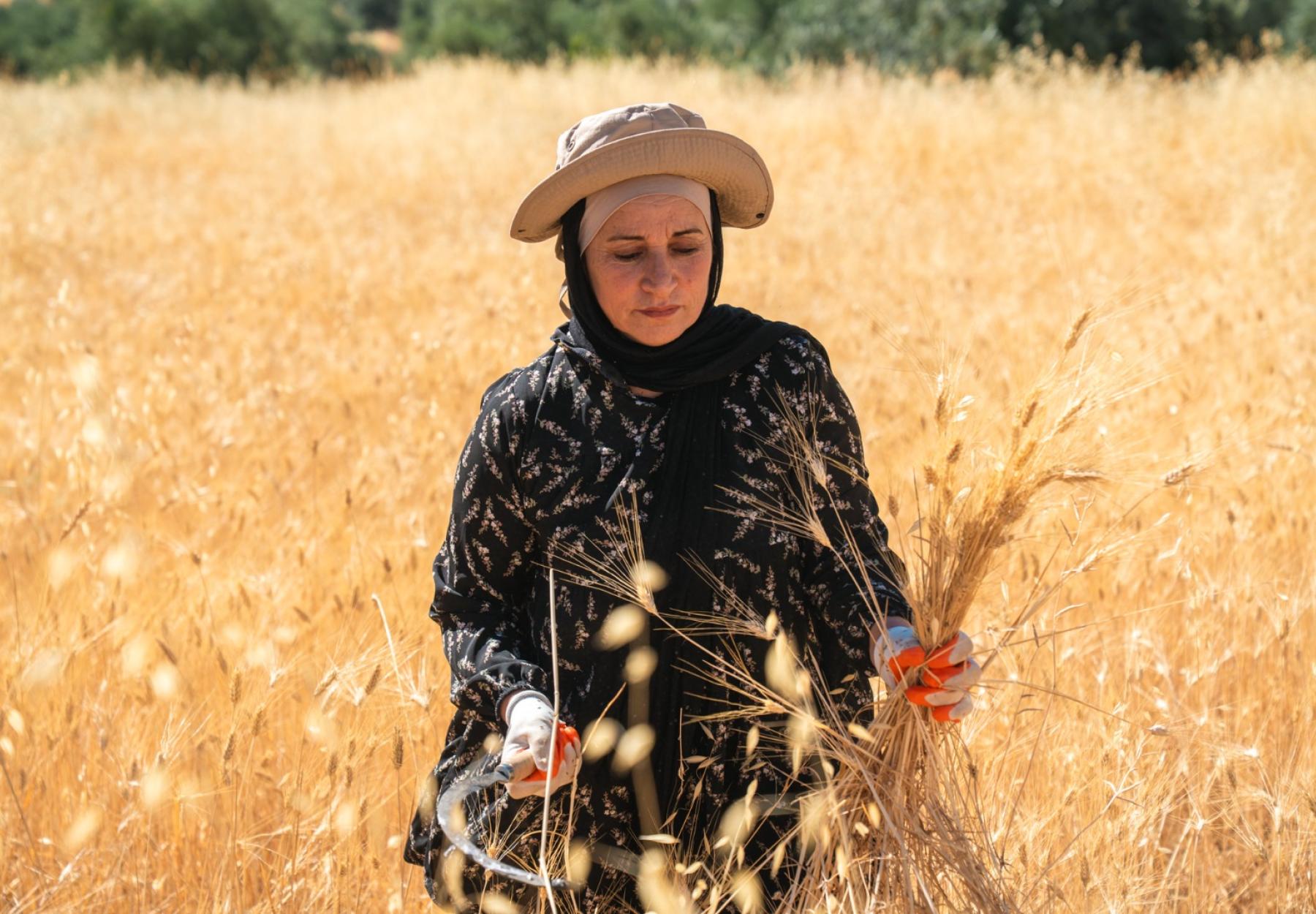
As mounting challenges continue to threaten agricultural land and local food production across the Arab region, we responded with action. Through a regional wheat cultivation initiative spanning Jordan, Palestine, and Lebanon, APN has transformed the current harvest season into a tangible expression of food sovereignty and community steadfastness.
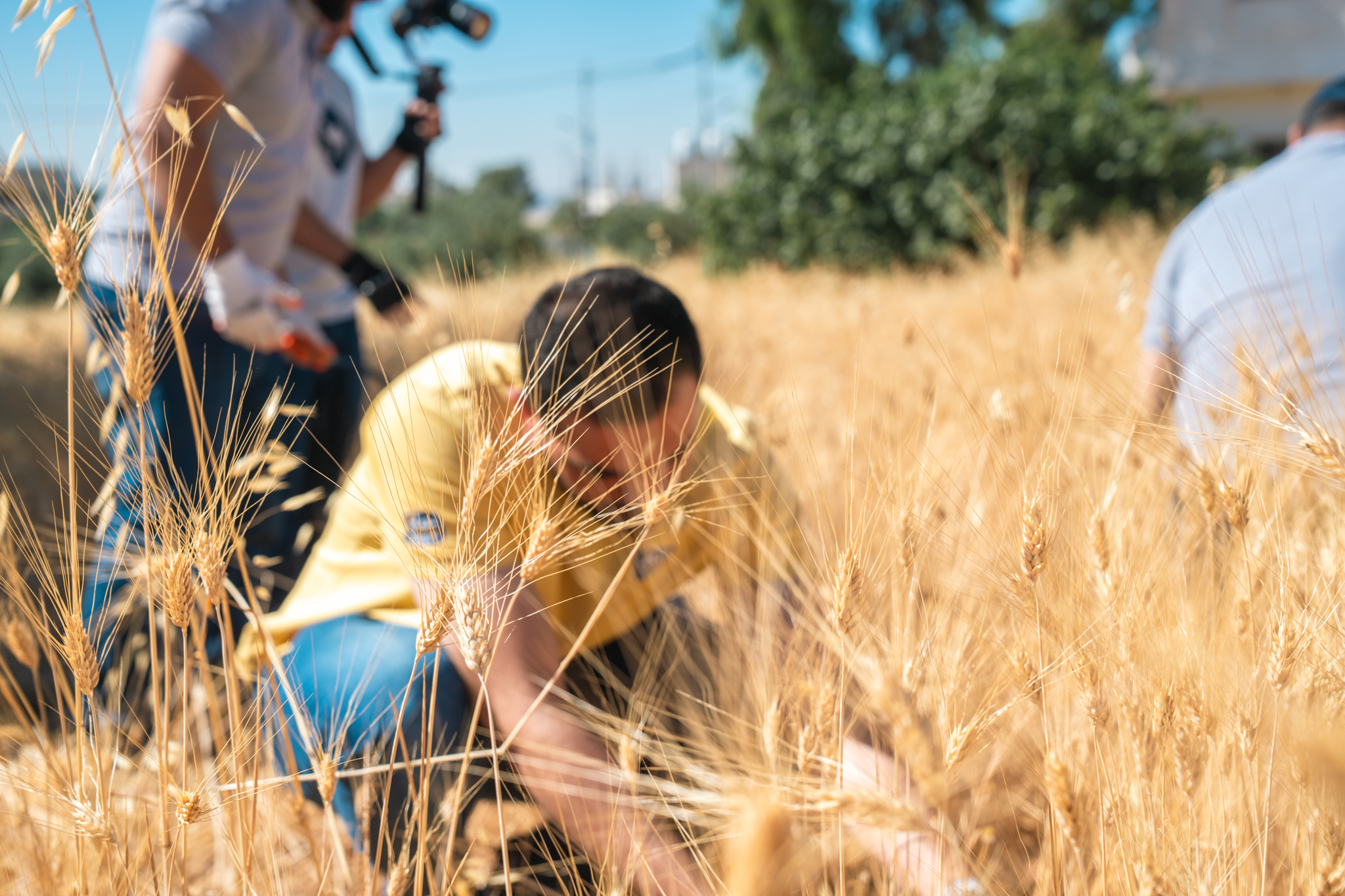
Over the course of the season, APN cultivated a total of 769 dunums of wheat across Jordan, Palestine, and southern Lebanon within its broader campaign to keep farmers rooted in their land and promote food sovereignty at both local and regional levels in the face of the economic, environmental, and political pressures subverting Arab agriculture.
Preliminary estimates indicate that each dunum is expected to produce between 200 and 300 kilograms of wheat, strengthening local food production and underscoring the importance of investing in strategic crops as a cornerstone of food sovereignty.
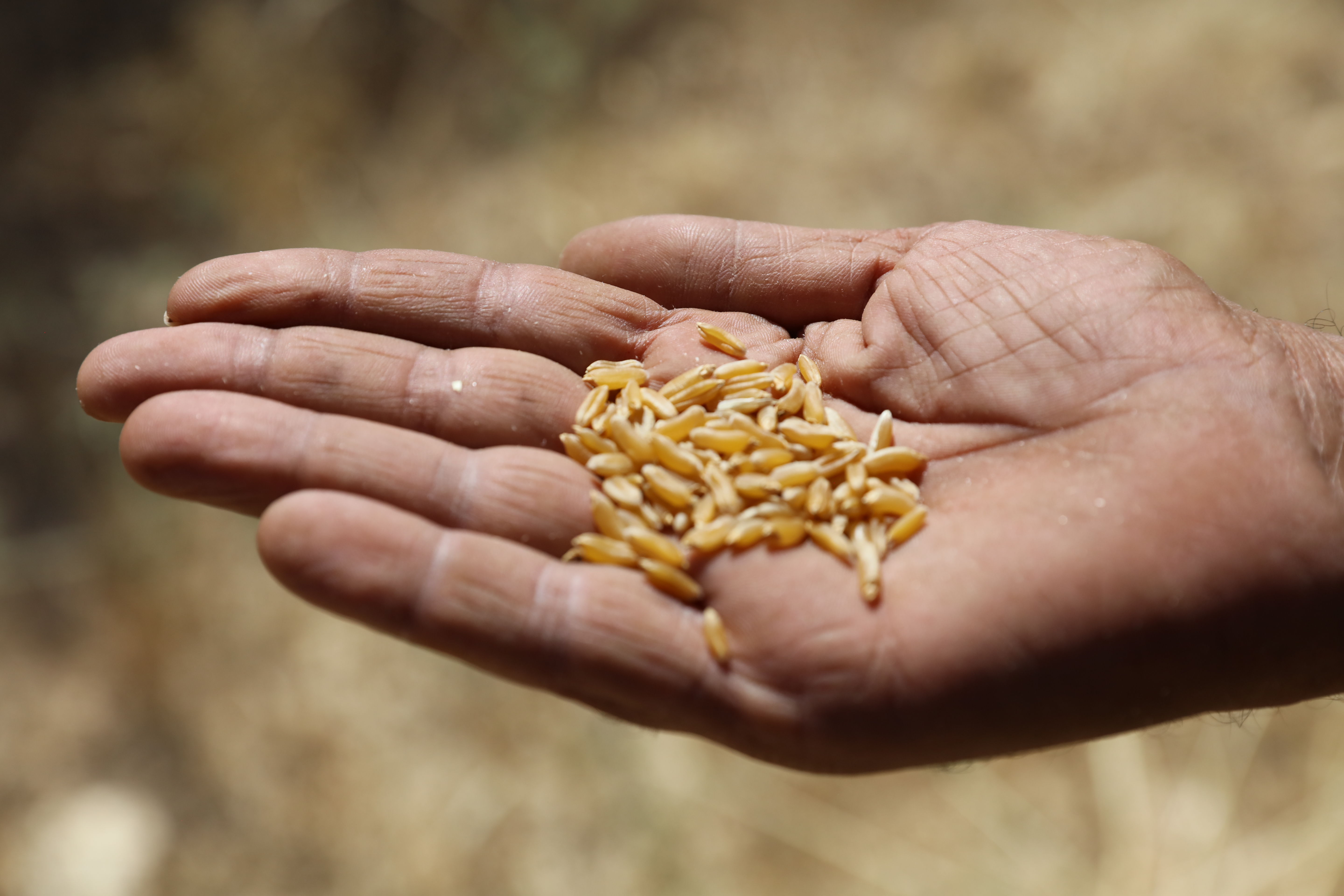
In Jordan, 88 dunums were planted in Badr, Al-Mashari', and Al-Amiriyah to promote locally adapted wheat varieties and strengthen household food security. As the wheat reached maturity, the initiative entered a new phase with the launch of "Ears of Impact", a community harvest campaign held in Badr. Bringing together national institutions, volunteers, activists, and members of the media, the campaign celebrated collective action in protecting agricultural land and supporting national food production.
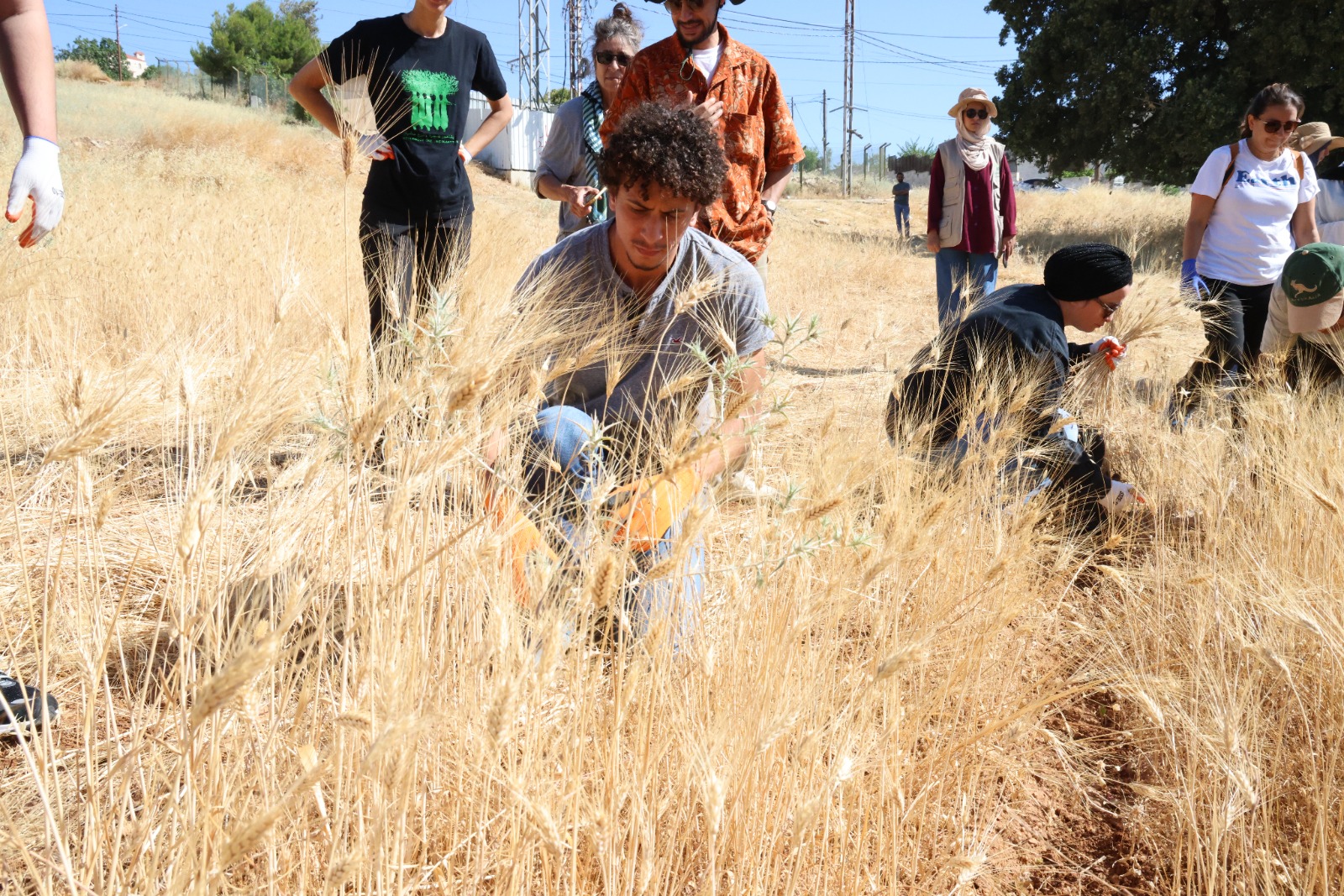
Harvest activities took place over ten days, from 20 to 30 June 2026, covering approximately 60 dunums of wheat. On 27 June, volunteers and journalists joined farmers in the fields, demonstrating broad community support for local agriculture and highlighting the enduring connection between people, the land, and the food they produce.
The entire wheat harvest will be allocated to the Asayel Badr Association, who will transform the grain into shrak bread and other traditional food products. The initiative will provide a sustainable source of income for six local families while strengthening the role of rural women in food production and preserving the region's culinary heritage.
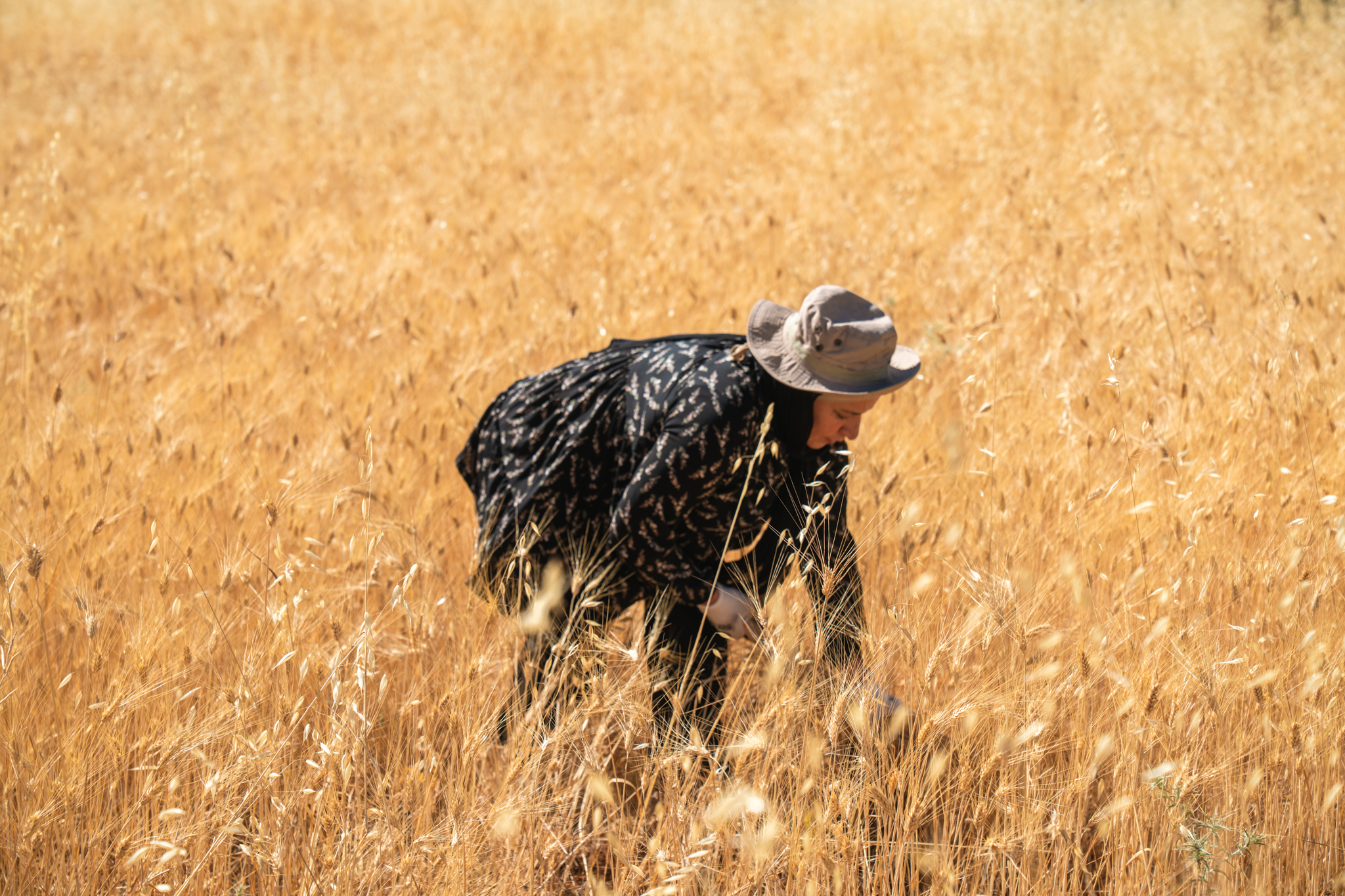
In Palestine, wheat was cultivated across 600 dunums in Hebron and Ramallah, responding to farmers' urgent need for wheat seeds amid the Israeli occupation’s agricultural warfare targeting land and production. In this context, planting wheat materially supports farmers to remain on their land while safeguarding it from confiscation.
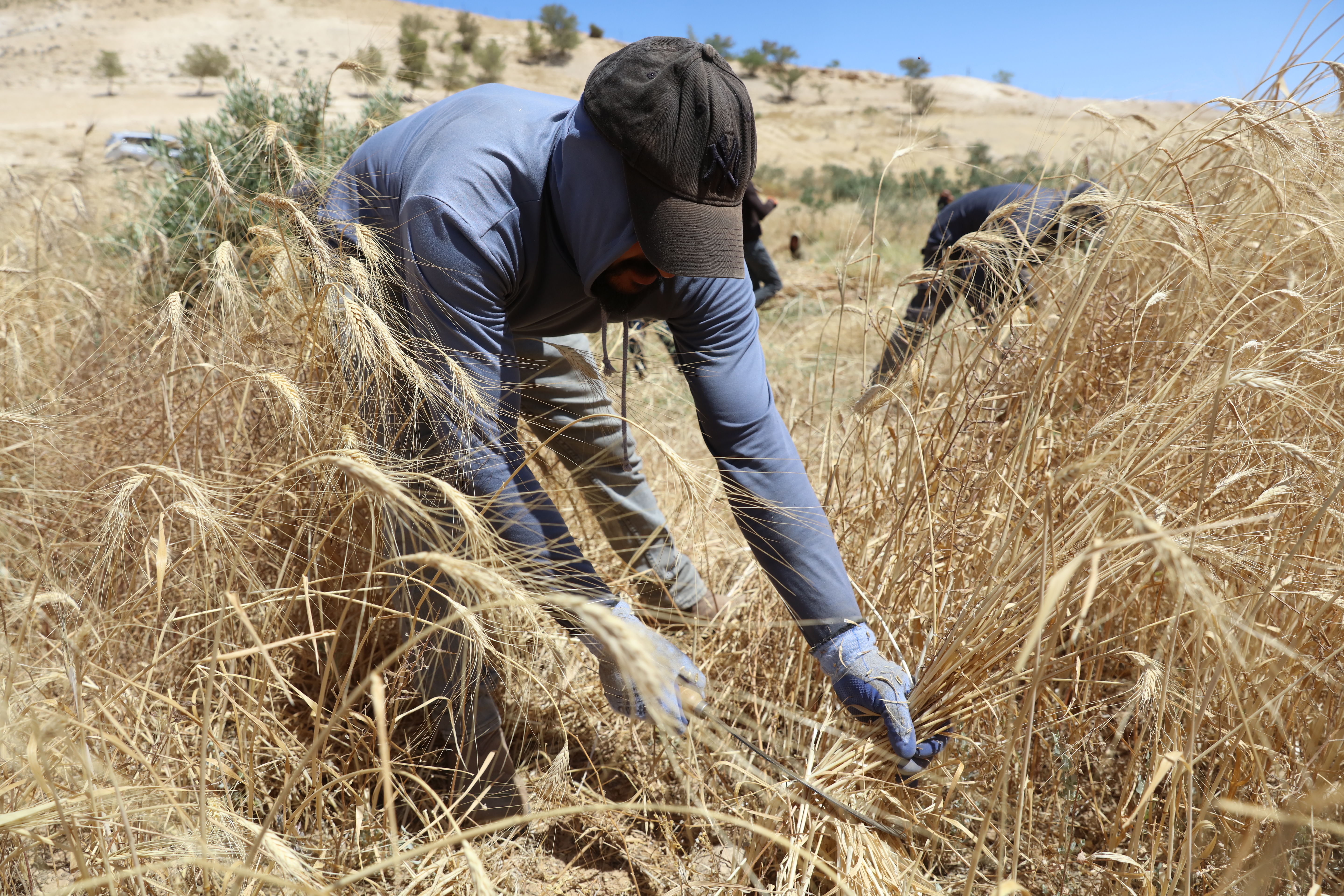
The initiative also saw the cultivation of 71 dunums across northern and southern Gaza to strengthen local production of this strategic crop in green resistance to the man-made famine, siege, and the repeated closure of border crossings imposed by the Israeli occupation. A further 10 dunums were planted in southern Lebanon in partnership with local farming communities.
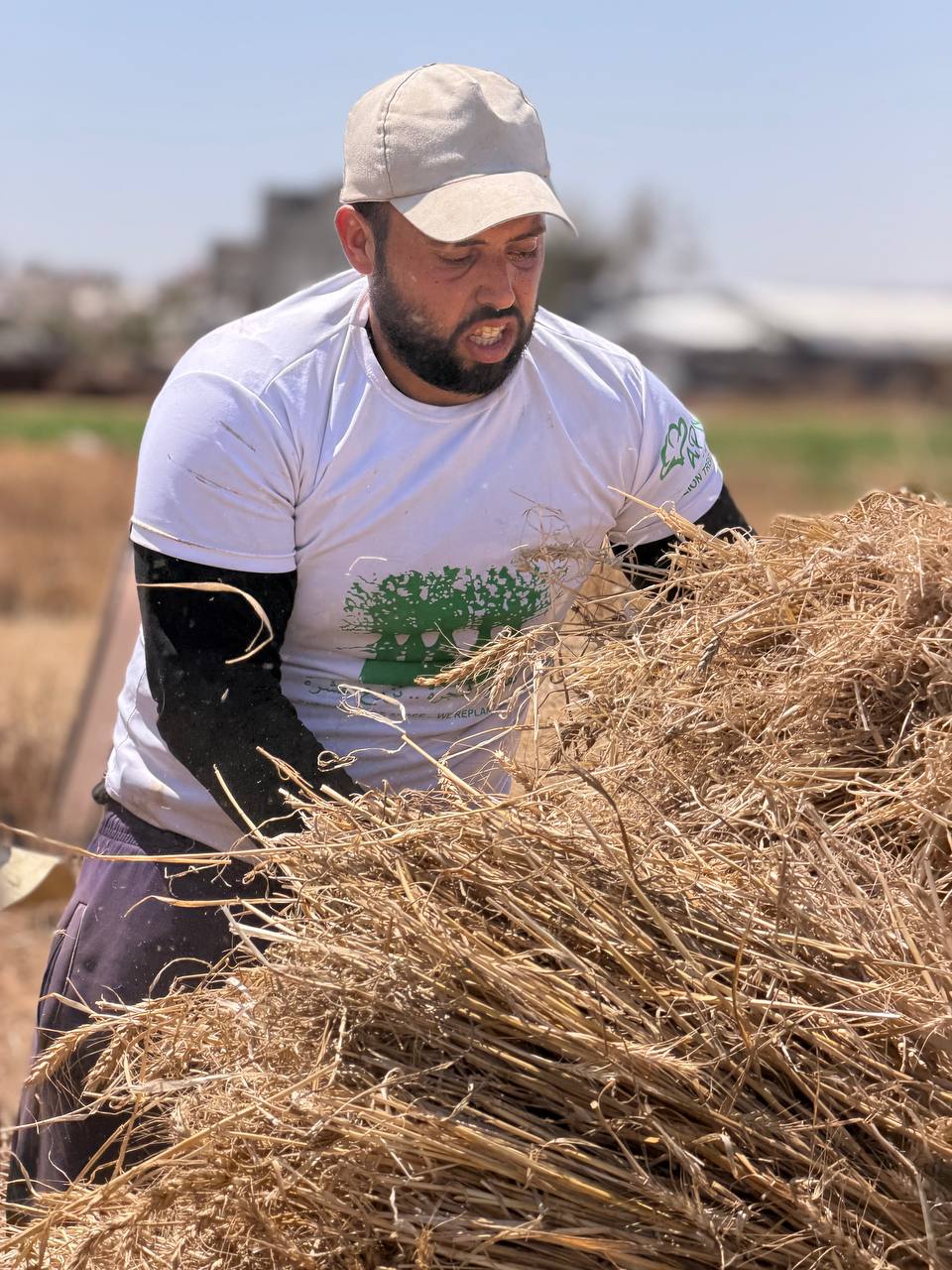
APN affirmed that both the wheat cultivation and harvest initiatives form part of its long-term commitment to advancing food sovereignty and environmental protection, driven by the conviction that protecting our land begins with producing our own food, and that national sovereignty is inseparable from the ability to grow wheat - a timeless symbol of steadfastness, independence, and self-determination.