APN | Zoom
24 - 26 March 2026
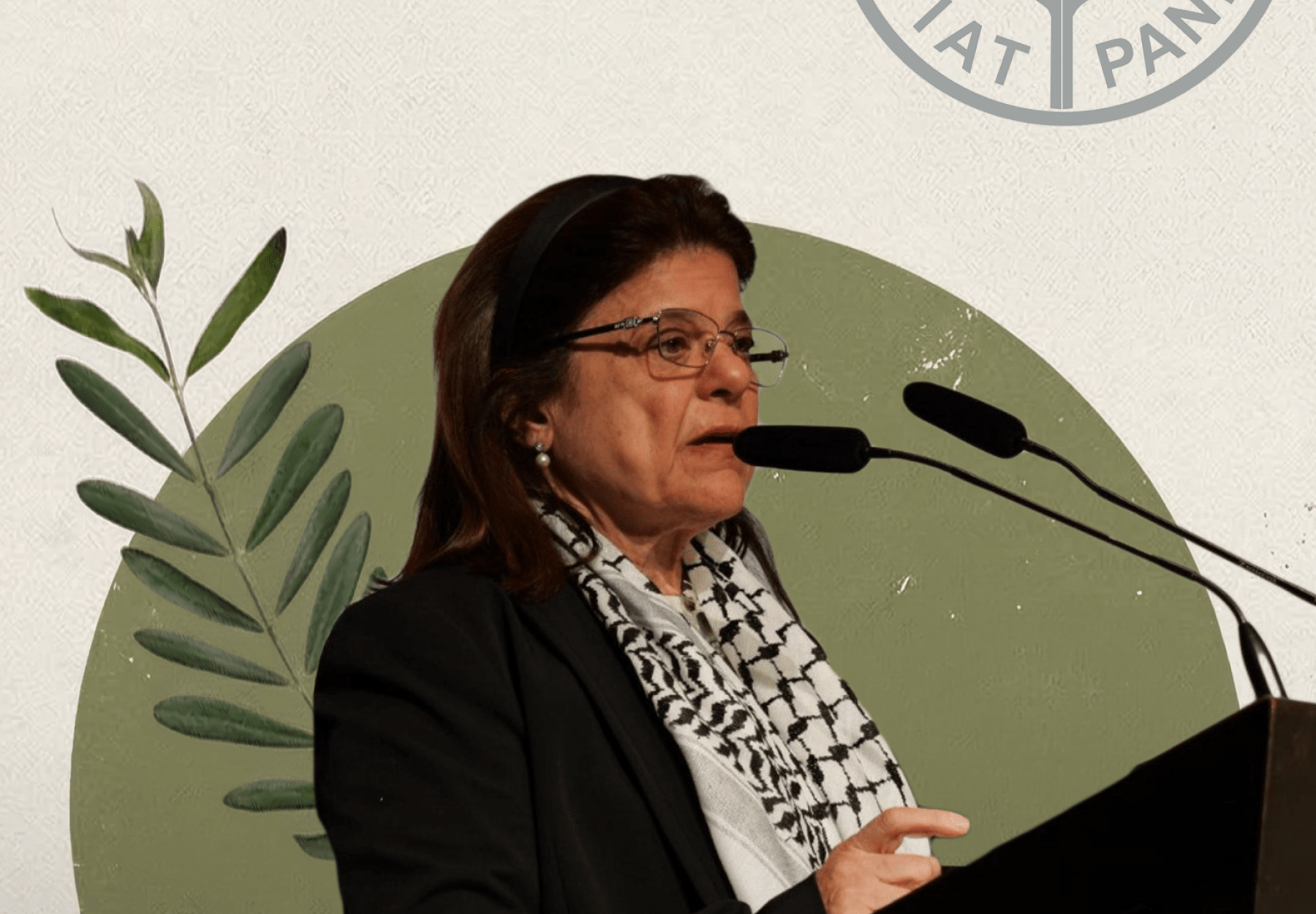
Razan Zuayter, APN Chairperson, called for a more urgent and effective role for the Food and Agriculture Organization (FAO) in supporting recovery and peacebuilding pathways in the region - one of FAO’s core mandates - during the Senior Officials Meeting ahead of the 38th session of the FAO Regional Conference for the Near East (NERC-38). She emphasised that agriculture is a fundamental pillar for resilience and livelihoods.
“We hope the FAO plays an important and urgent role in building peace in the region, as agriculture contributes to recovery by promoting joint governance of resources through food diplomacy and providing platforms for dialogue and joint planning”, she said, stressing that achieving this goal “requires Arab and Islamic funding”. She added, “I felt saddened that there is no Arab funding for FAO in this area, because colonial powers will not fund such pathways; their aim is to perpetuate conflict and division in the region to control its resources”. She also called for linking humanitarian relief with developmental action as a genuine path to recovery.
Zuayter noted that while FAO works diligently, there is a gap between rhetoric and reality: FAO often helps farmers adapt to harsh conditions rather than supporting the development of local food systems that strengthen capacities for food security and sovereignty. She emphasised the importance of involving farmers as partners in decision-making and leveraging existing expertise and platforms in the region.
She also stressed the need to address the root causes of crises in the region, noting that confronting the primary source of the current disaster, which stems from external aggression, requires regional cooperation to halt these attacks.
Highlighting structural challenges facing the agricultural sector, Zuayter pointed out that the priority of a rentier economy still outweighs the priority of agriculture in many countries, with imports often seen as an easier option than farming. At the same time, she noted that the weak economic and social status of farmers contributes to vulnerability and drives rural-to-urban migration. She recommended organising a dedicated participatory conference to address these issues, particularly in light of the accumulation of crises and conflicts in the region.
Regarding production chains, she stressed the importance of addressing post-harvest losses, not just consumer-level waste, explaining that farmers lose around 25% of their production due to inadequate infrastructure, storage, and transport. She recommended conducting specialised studies to tackle this problem.