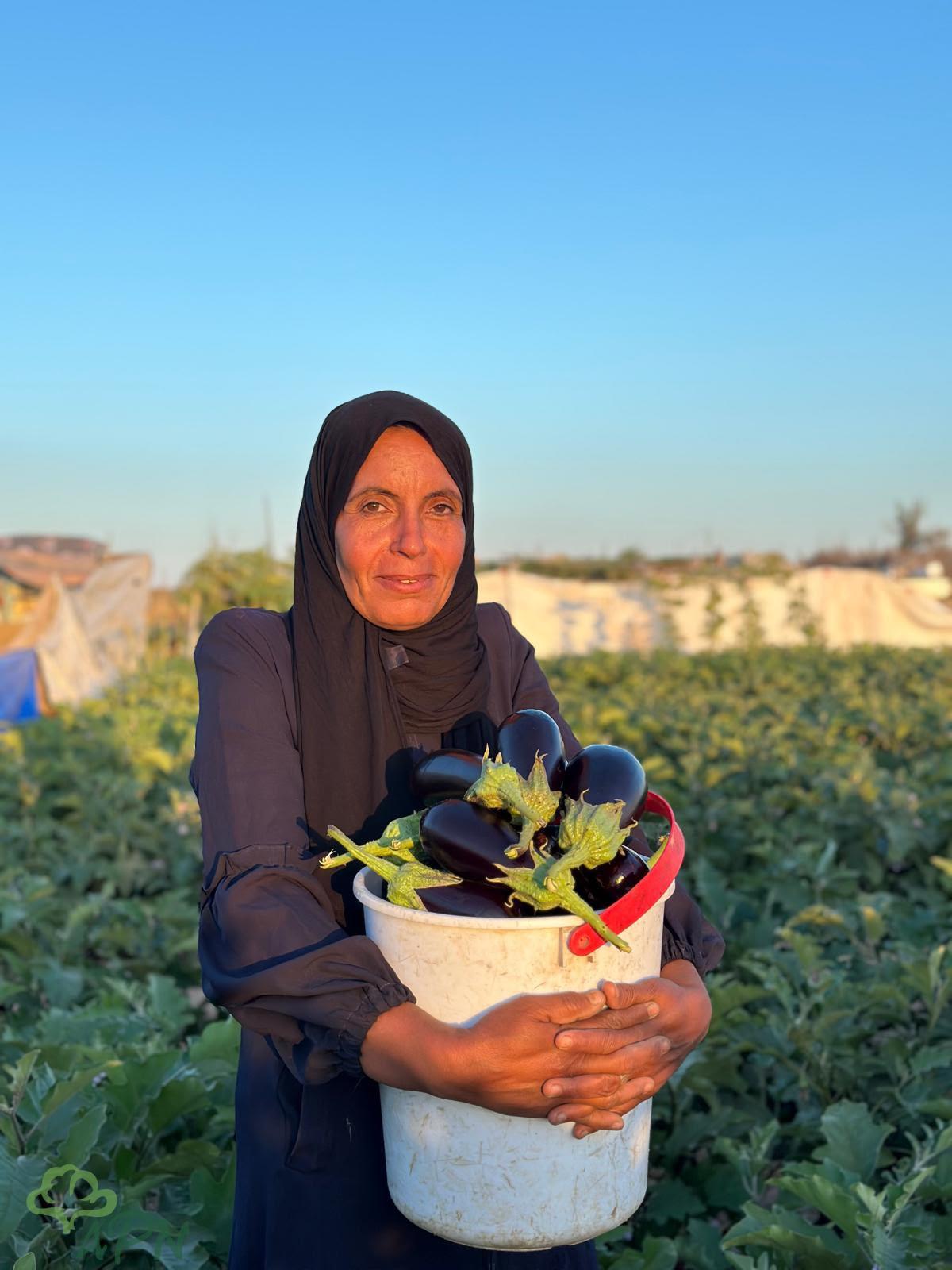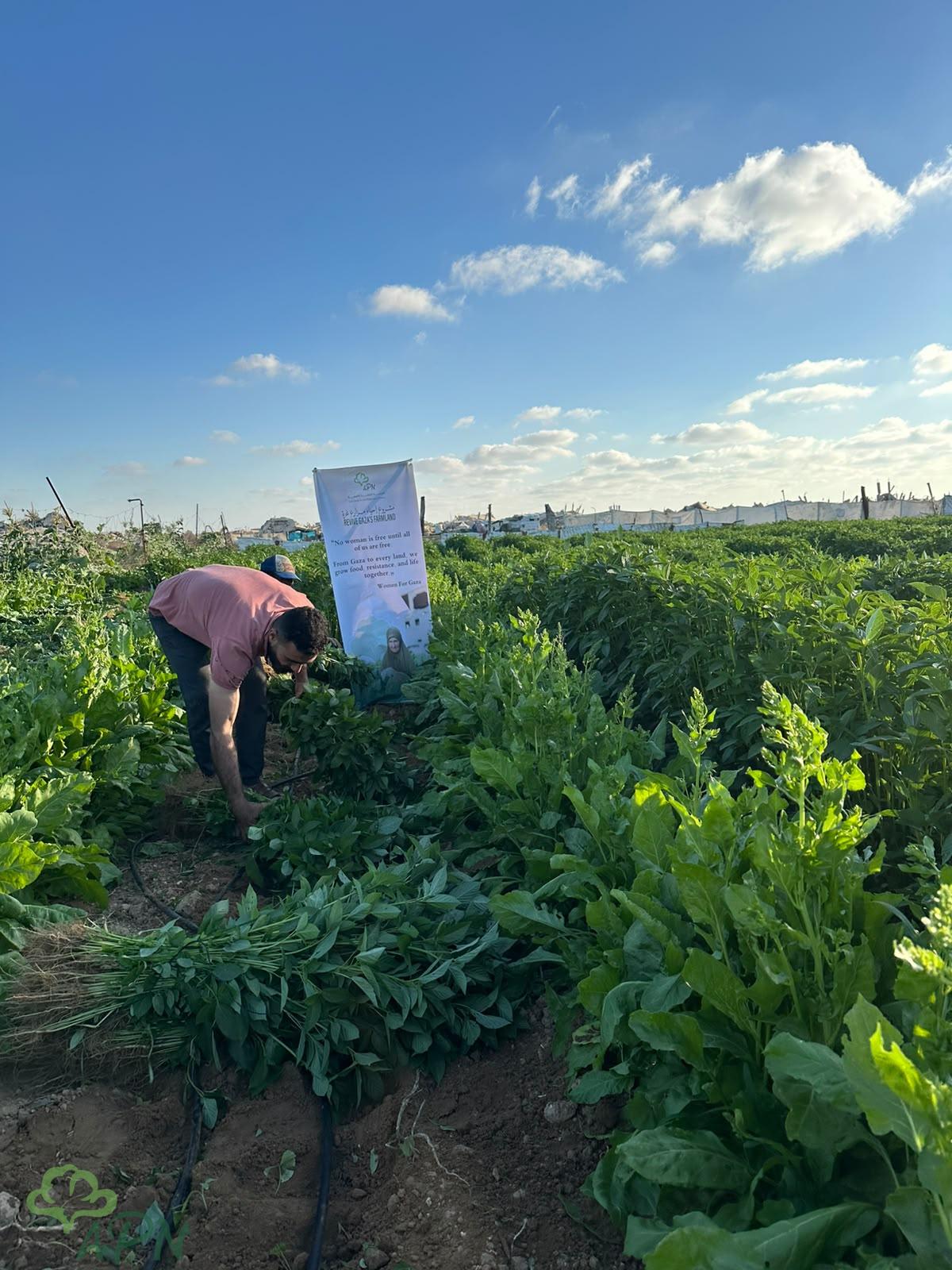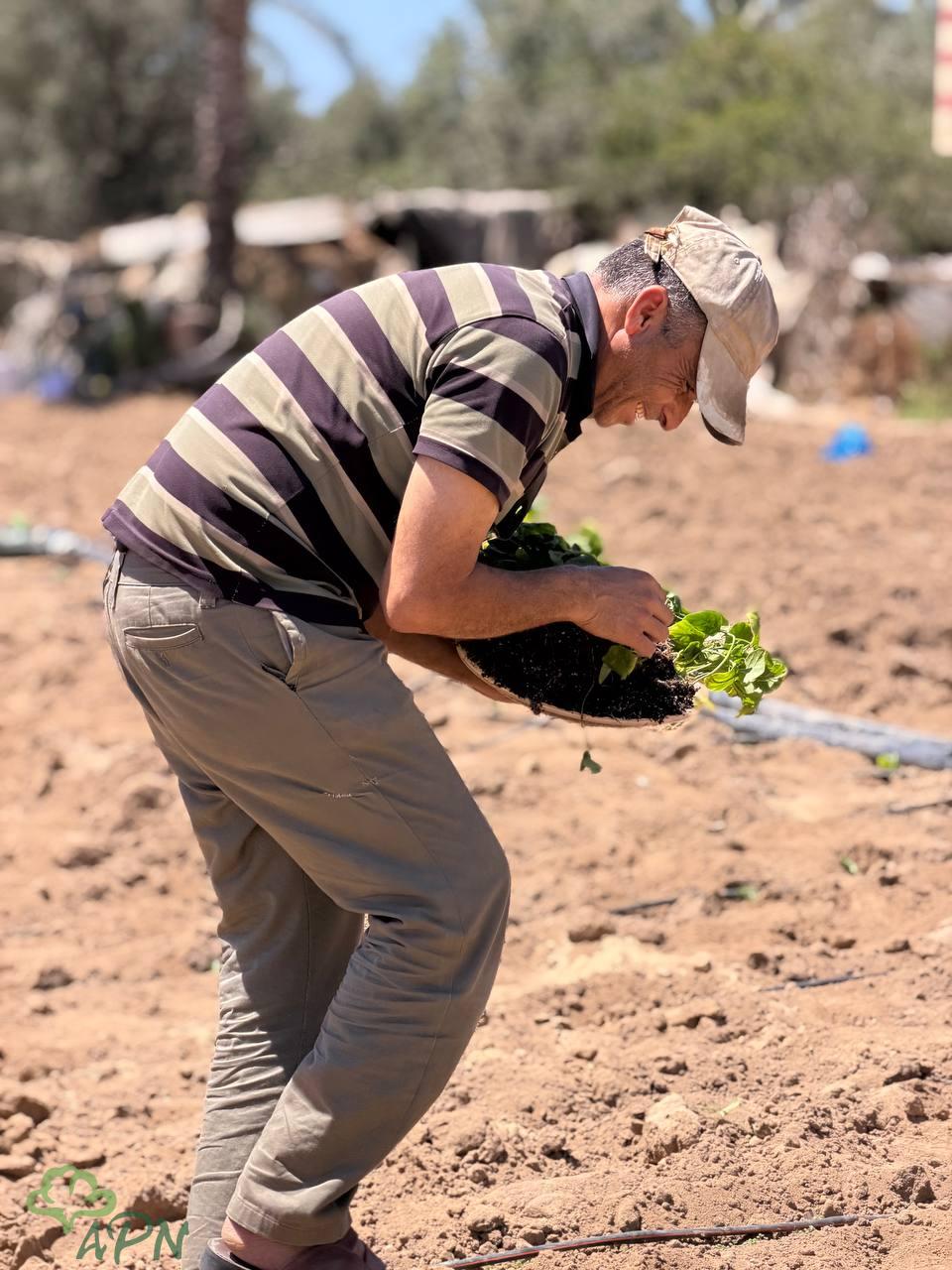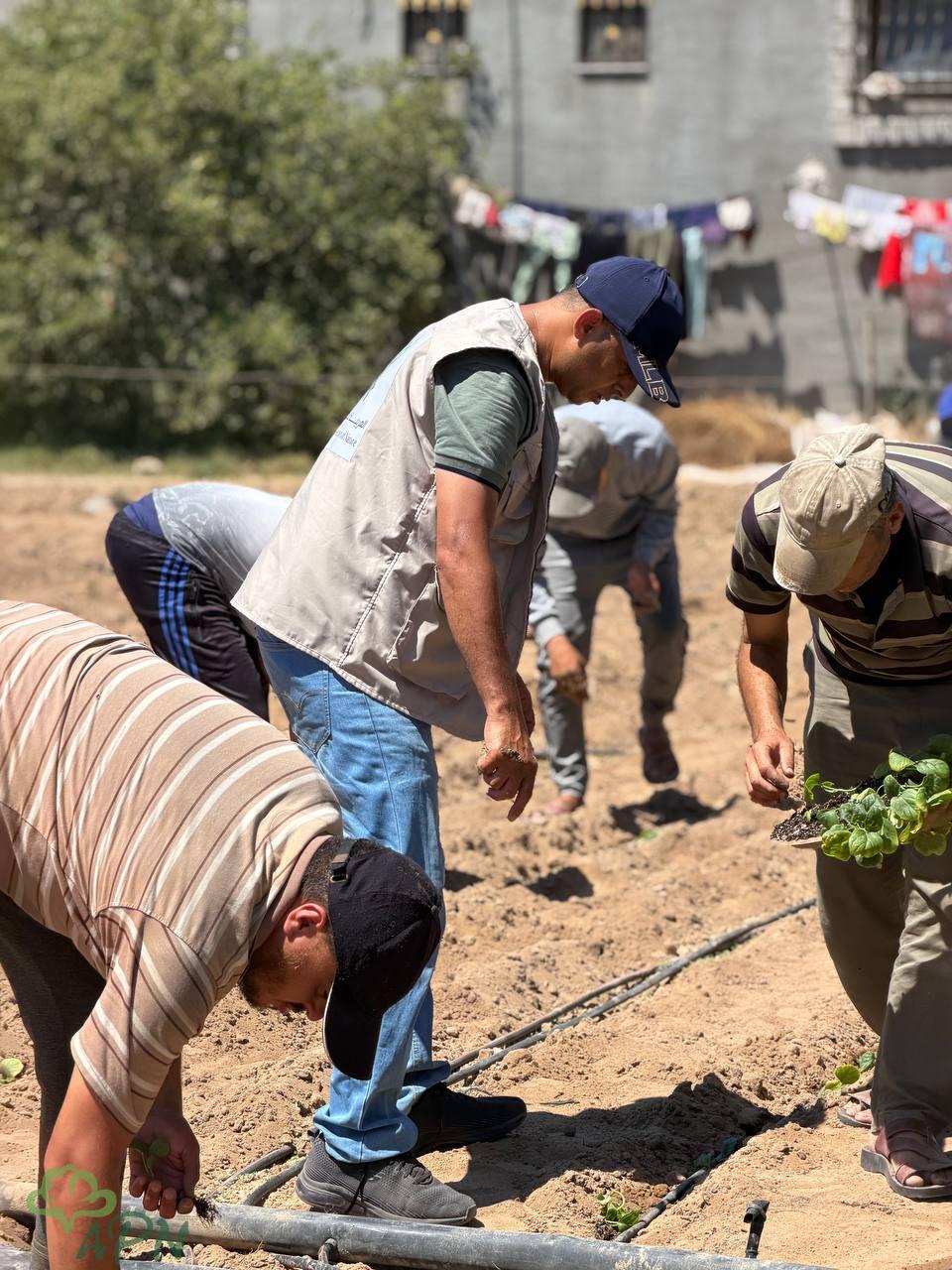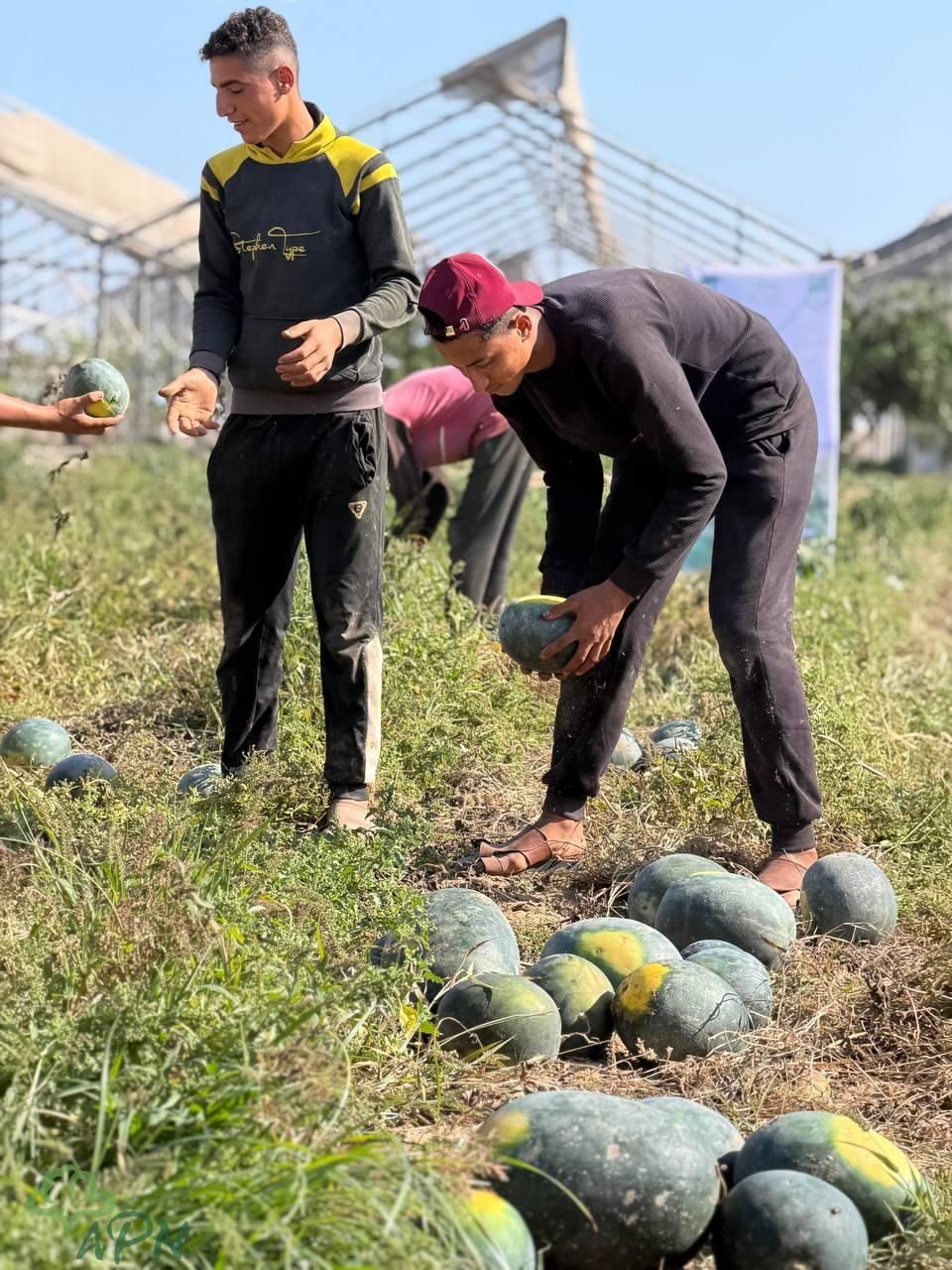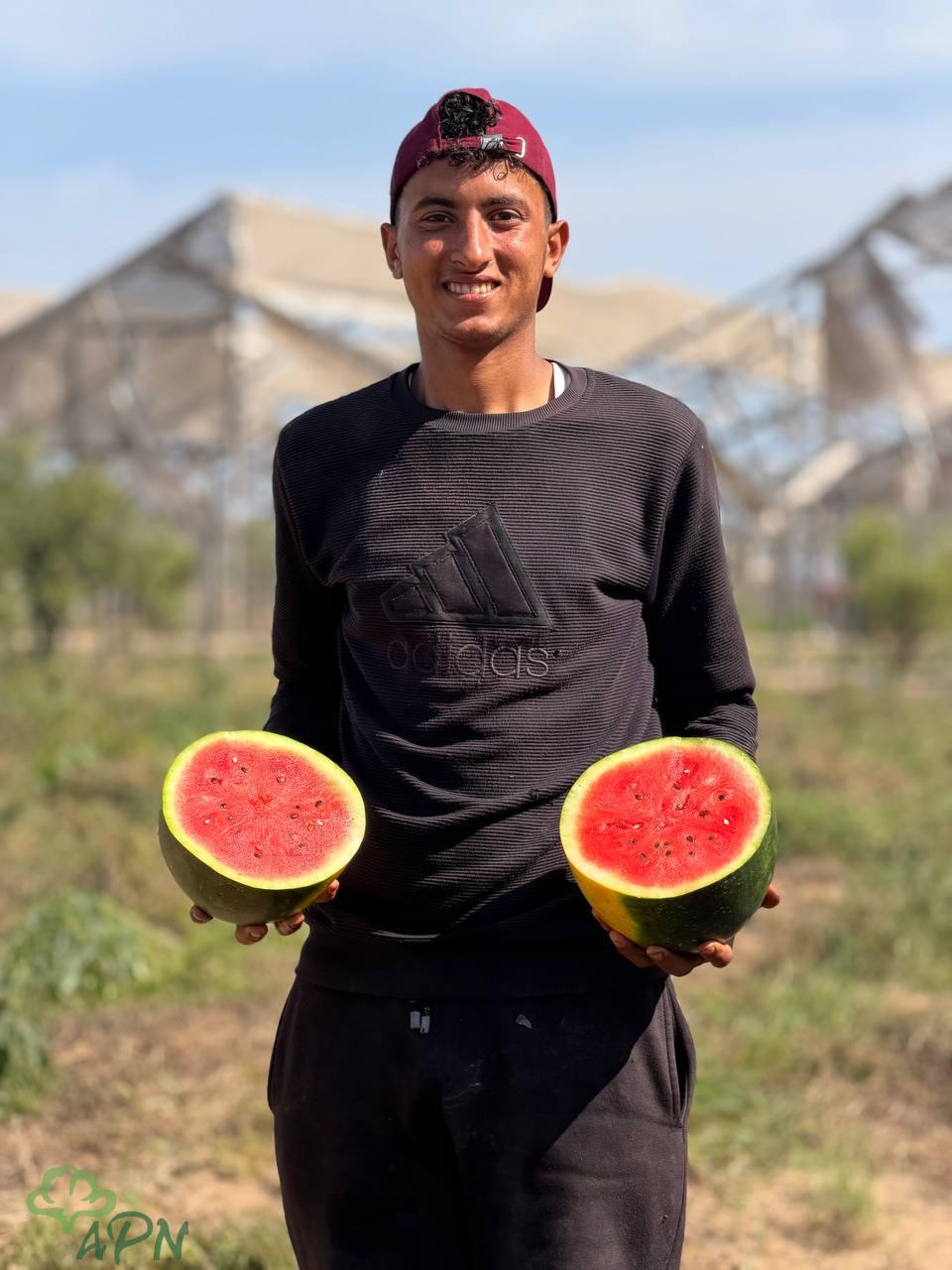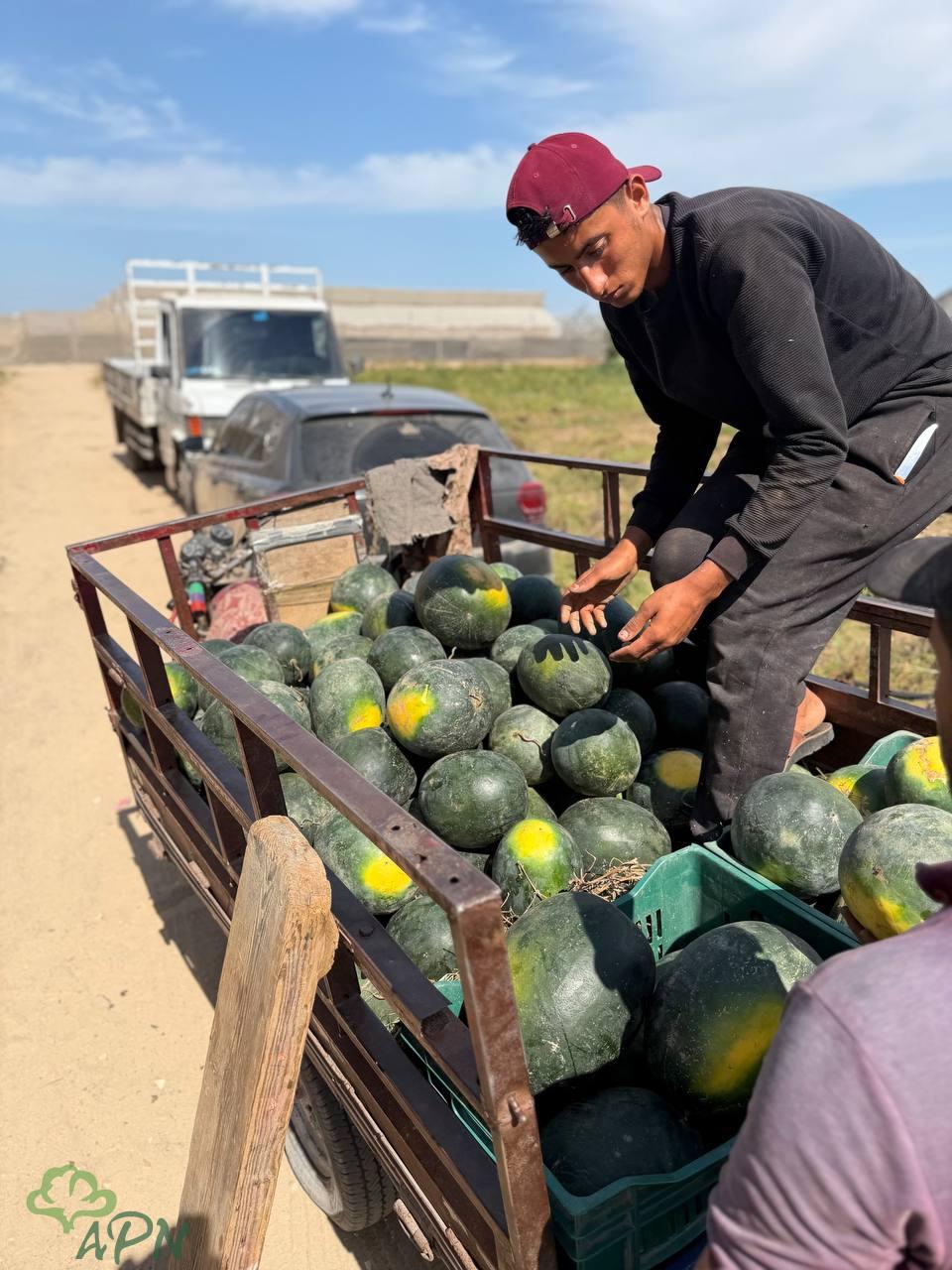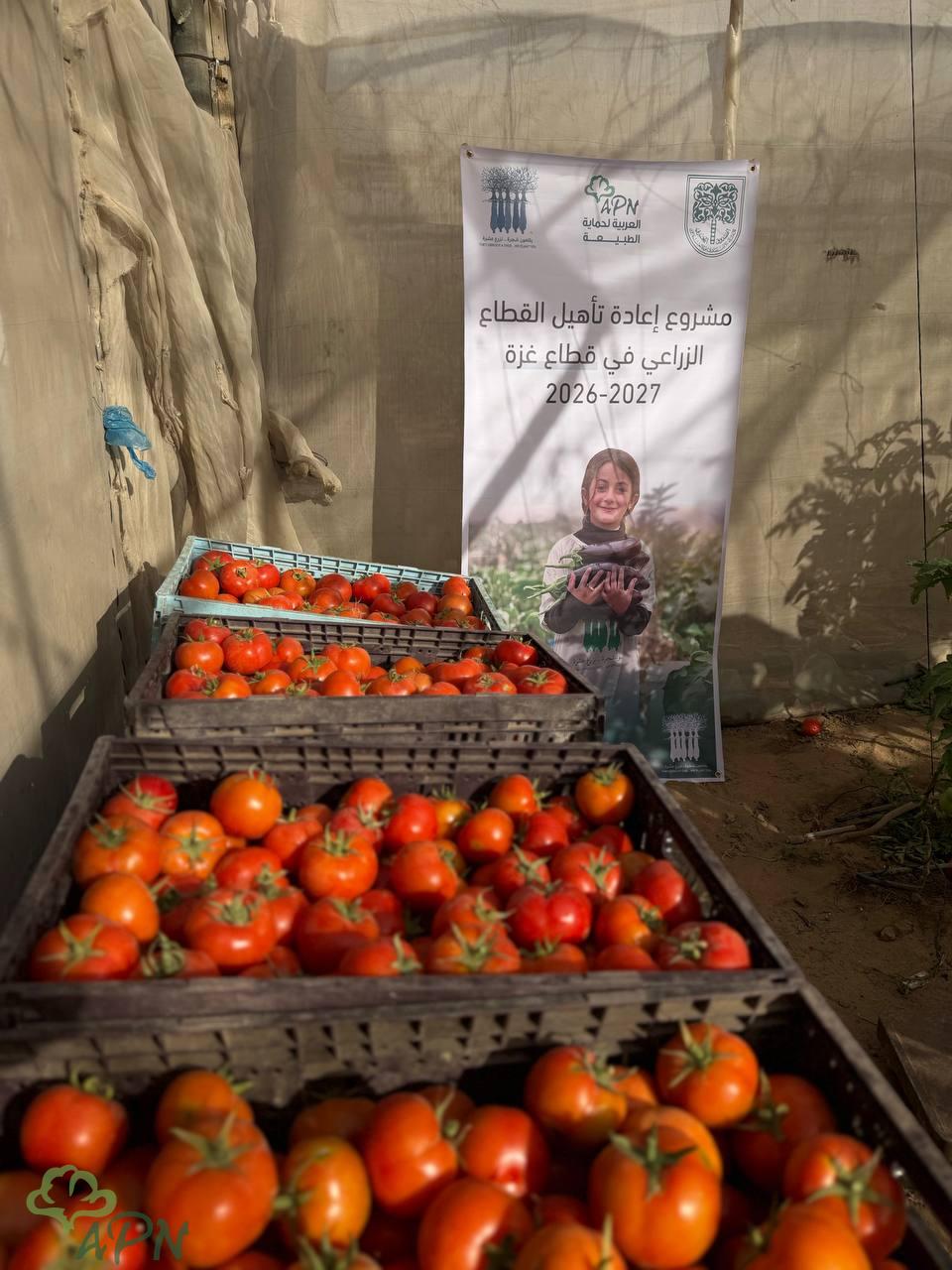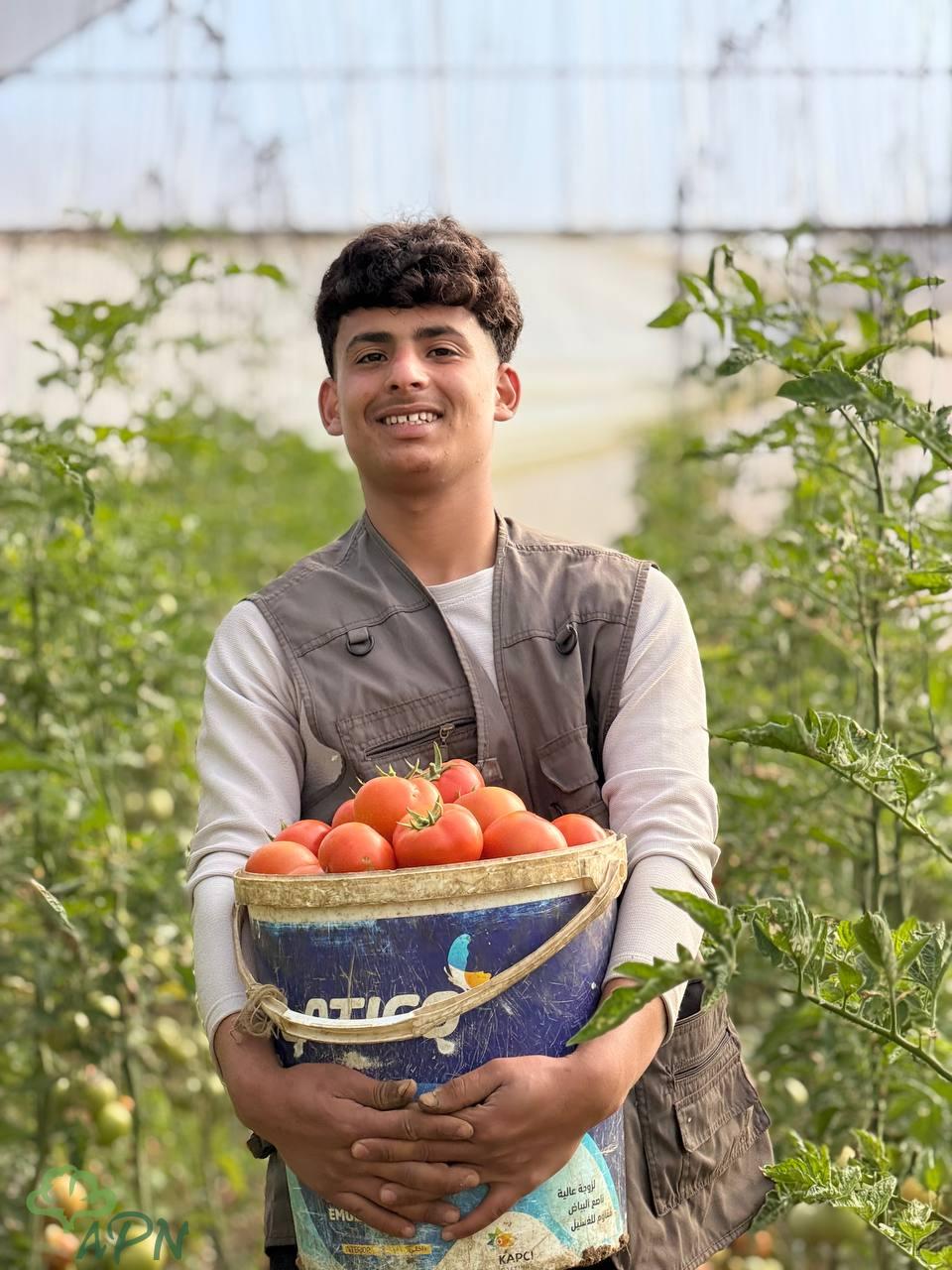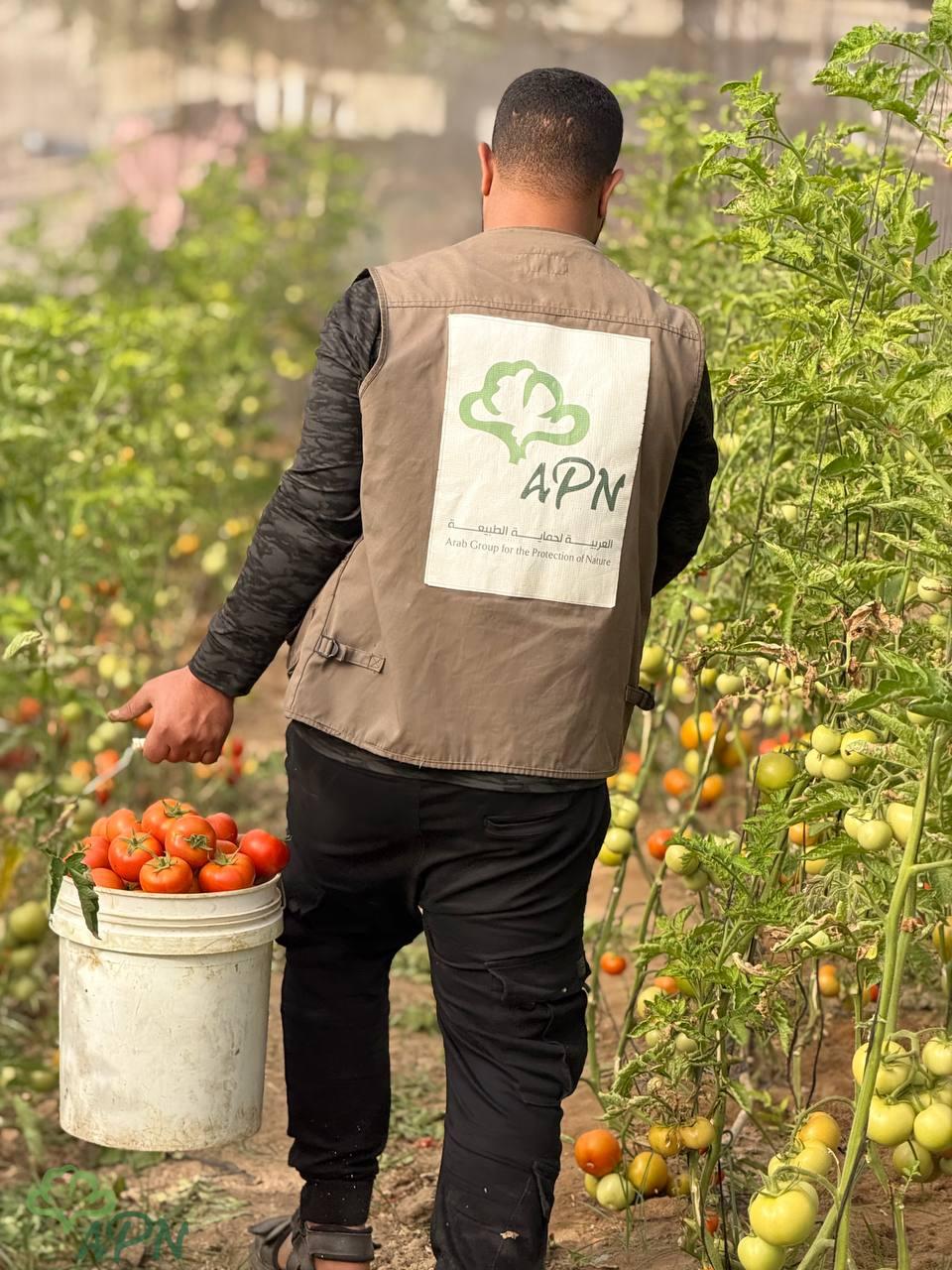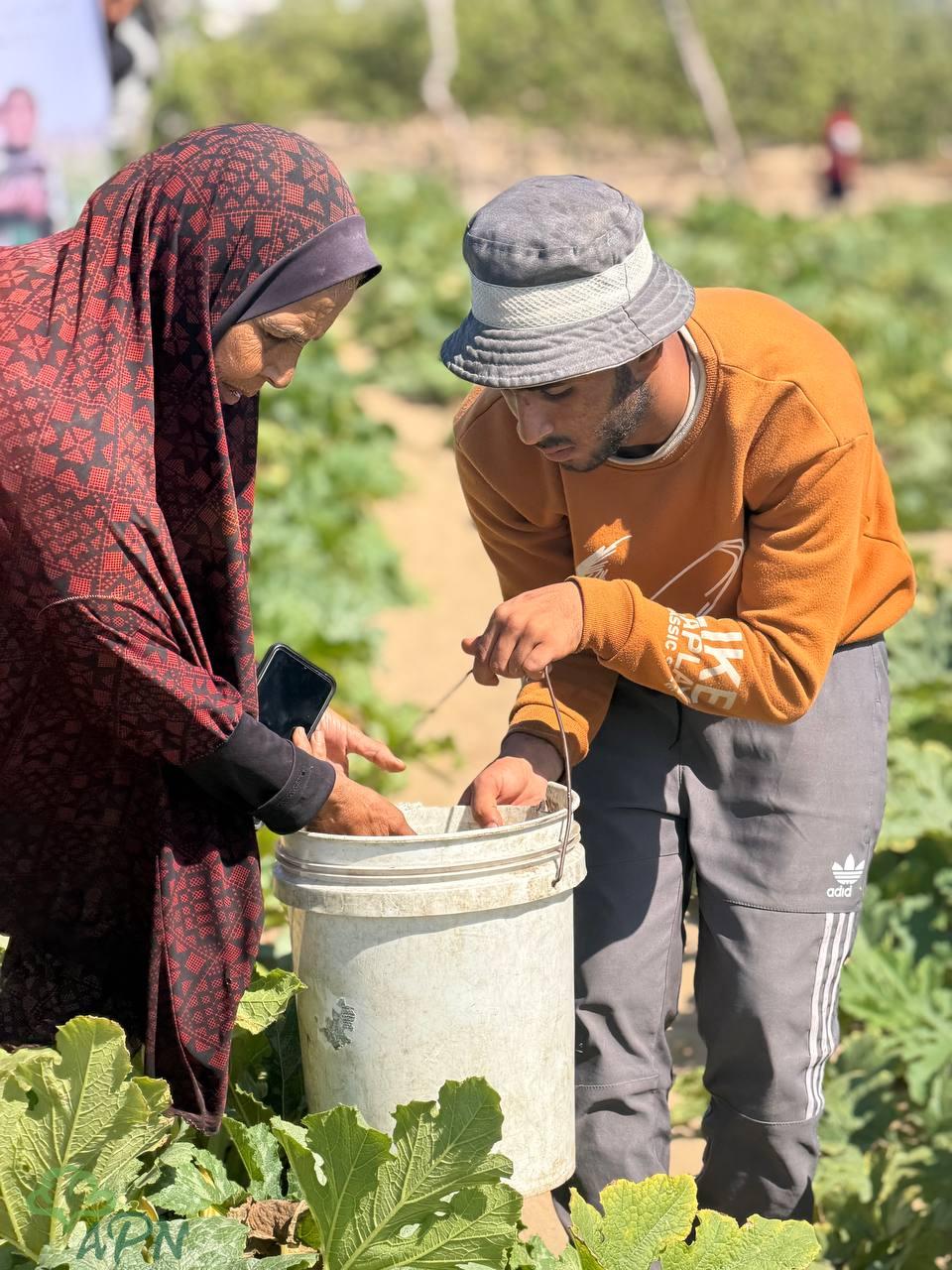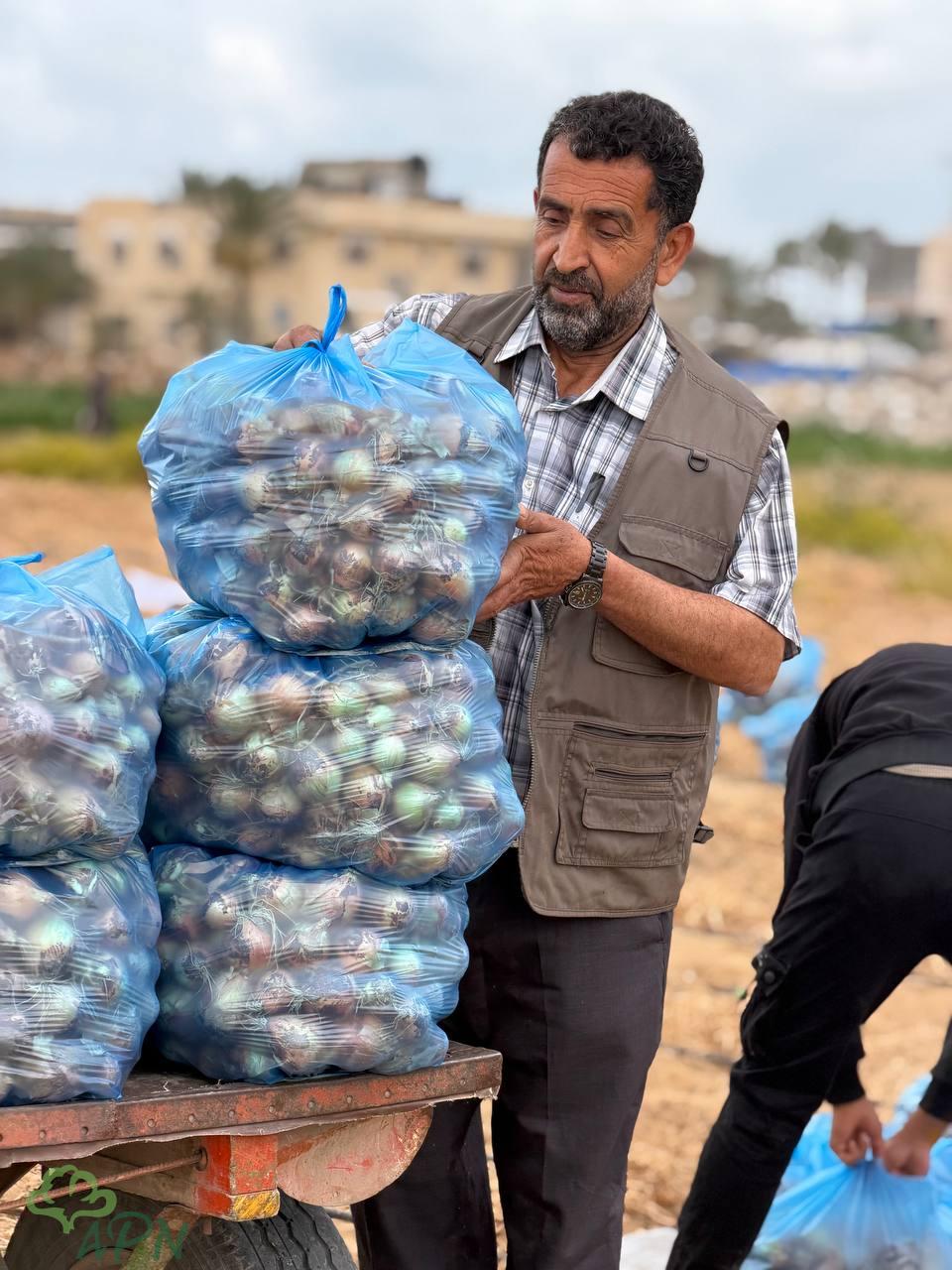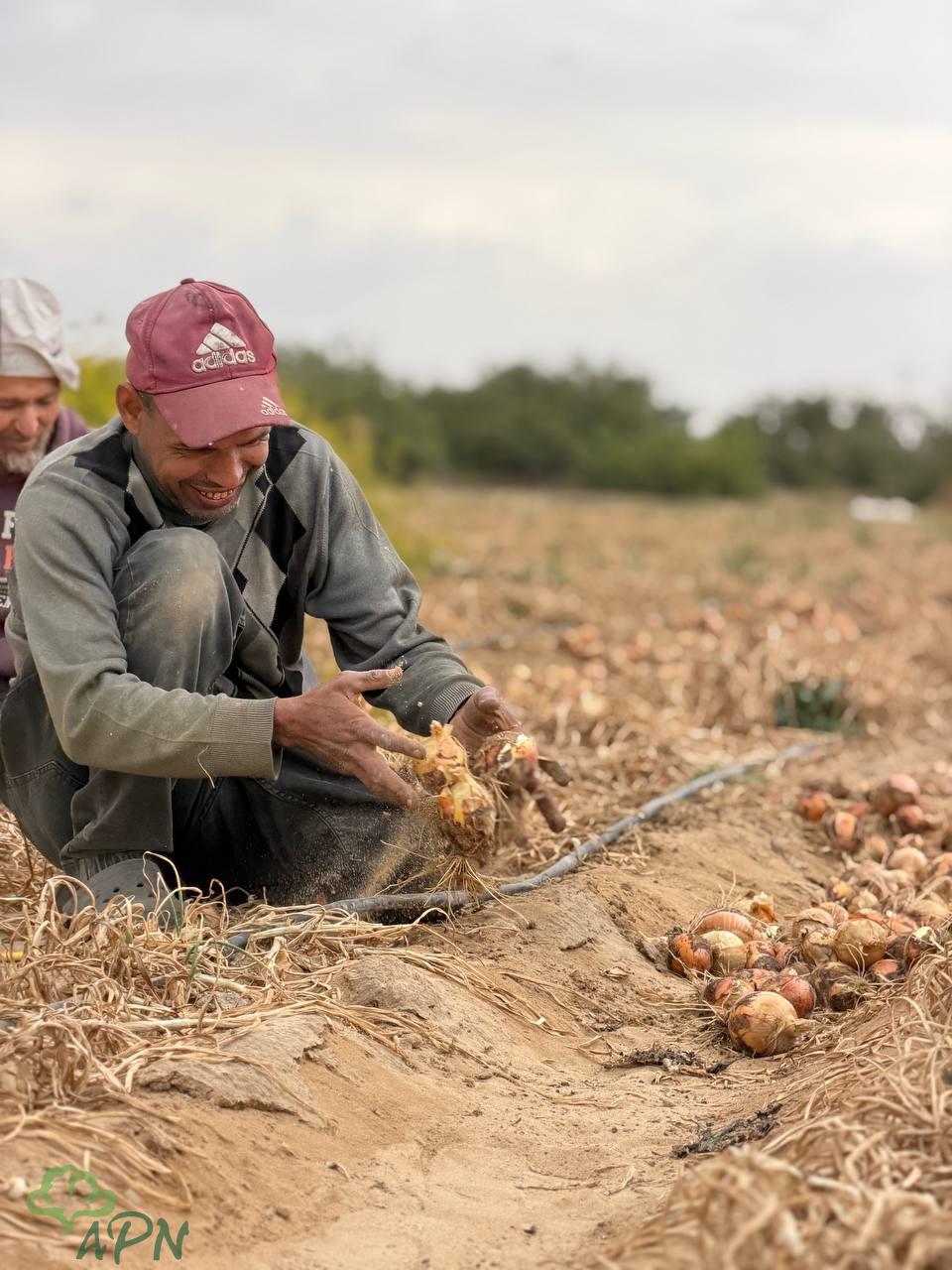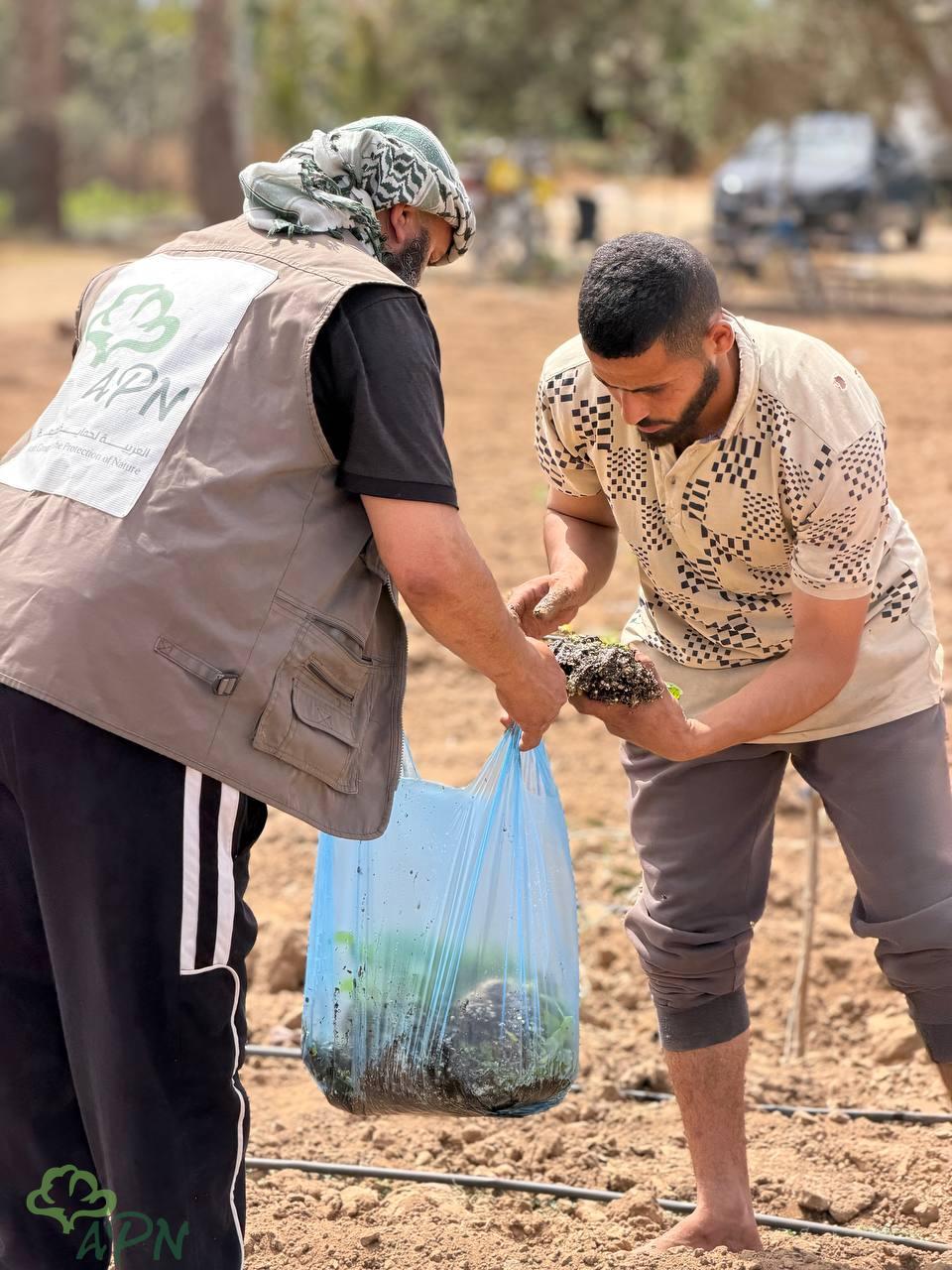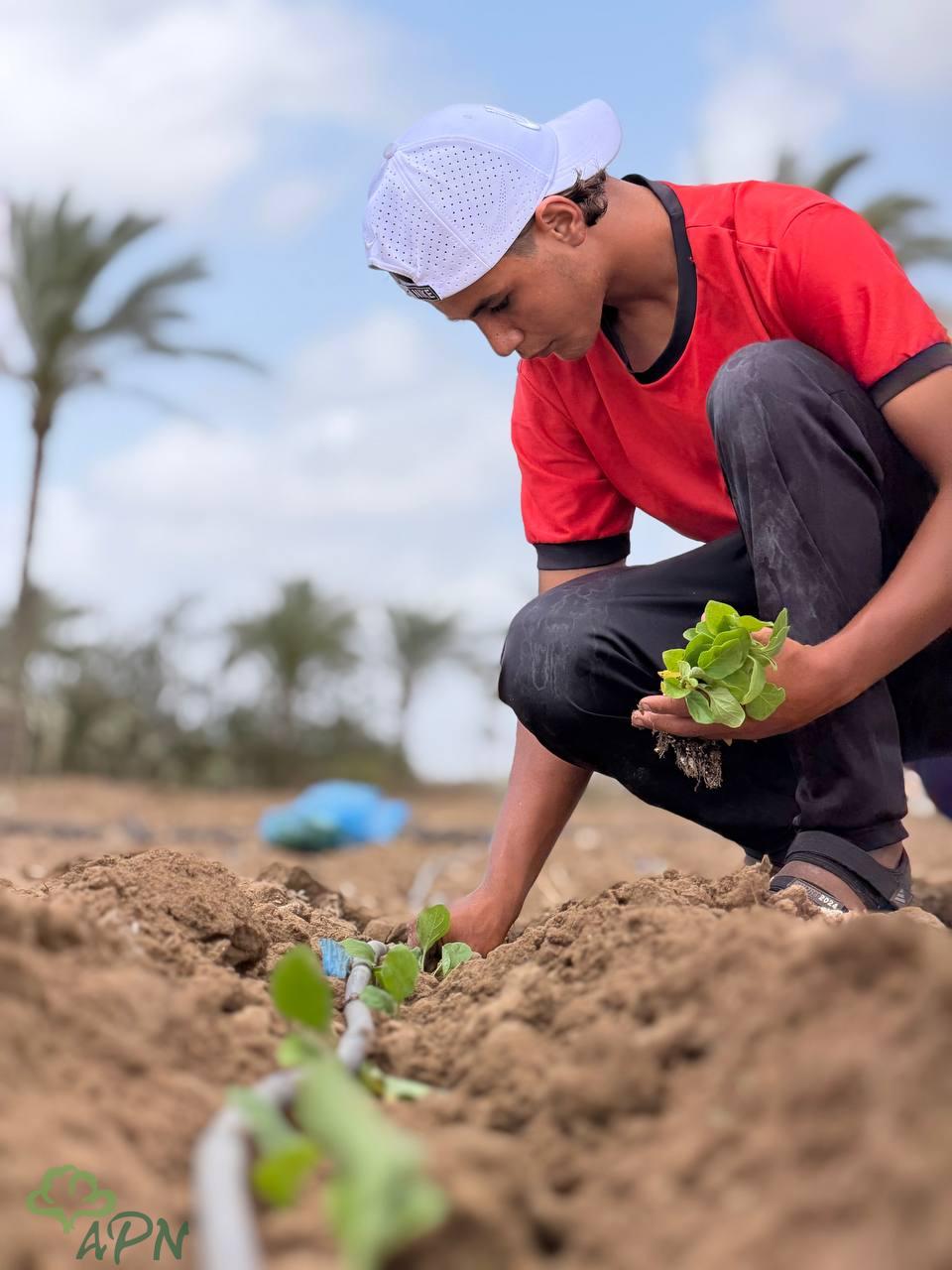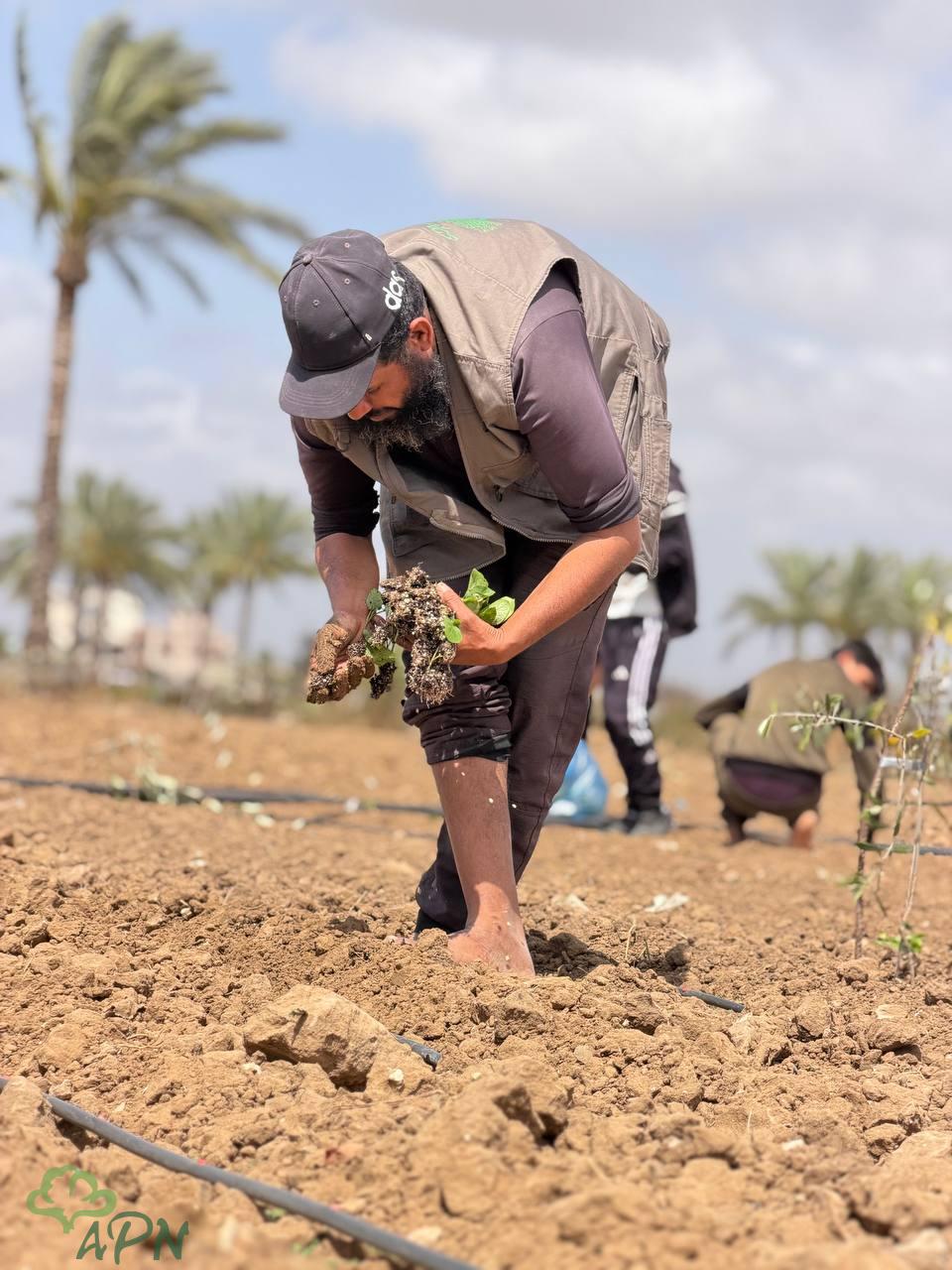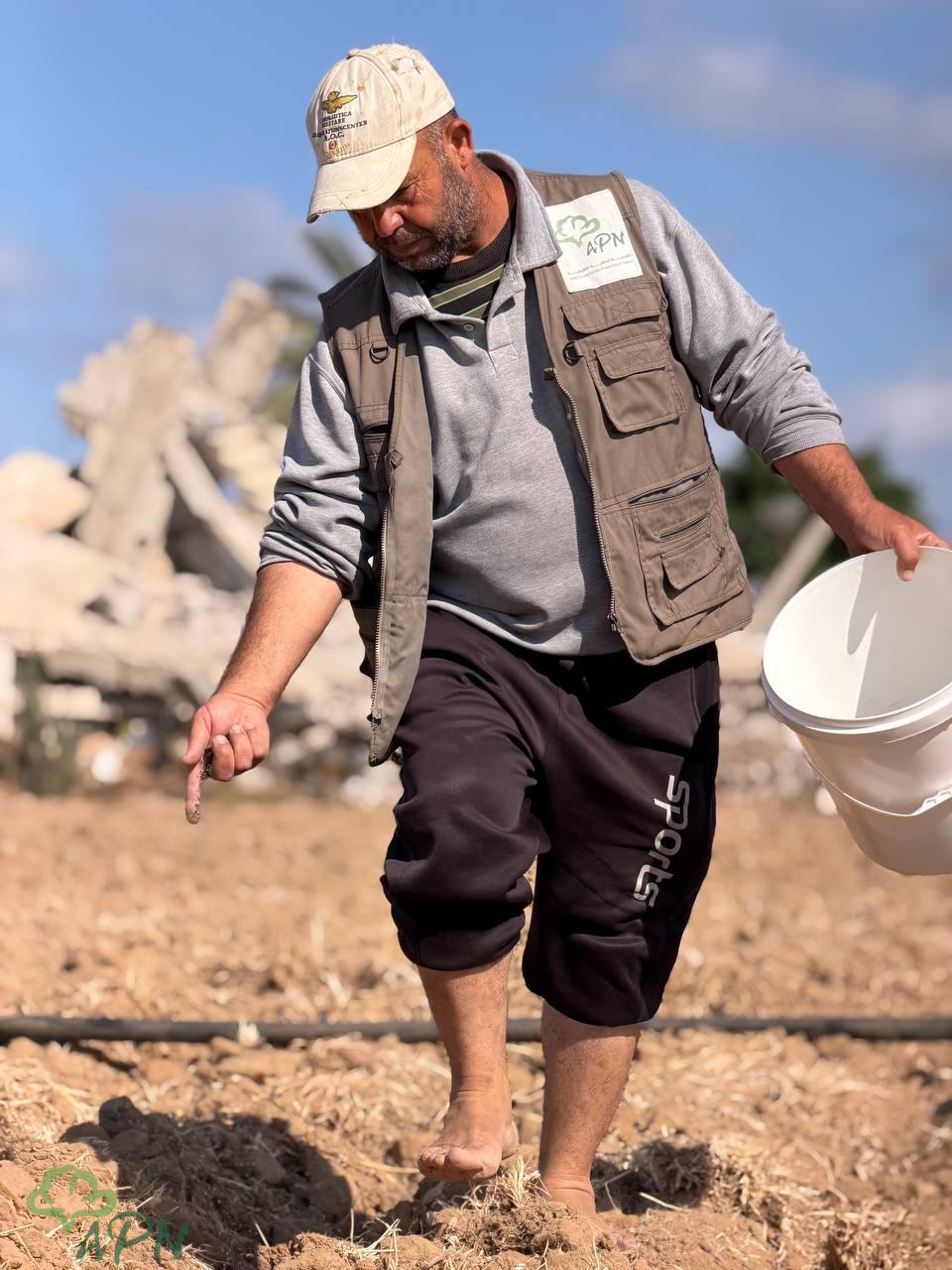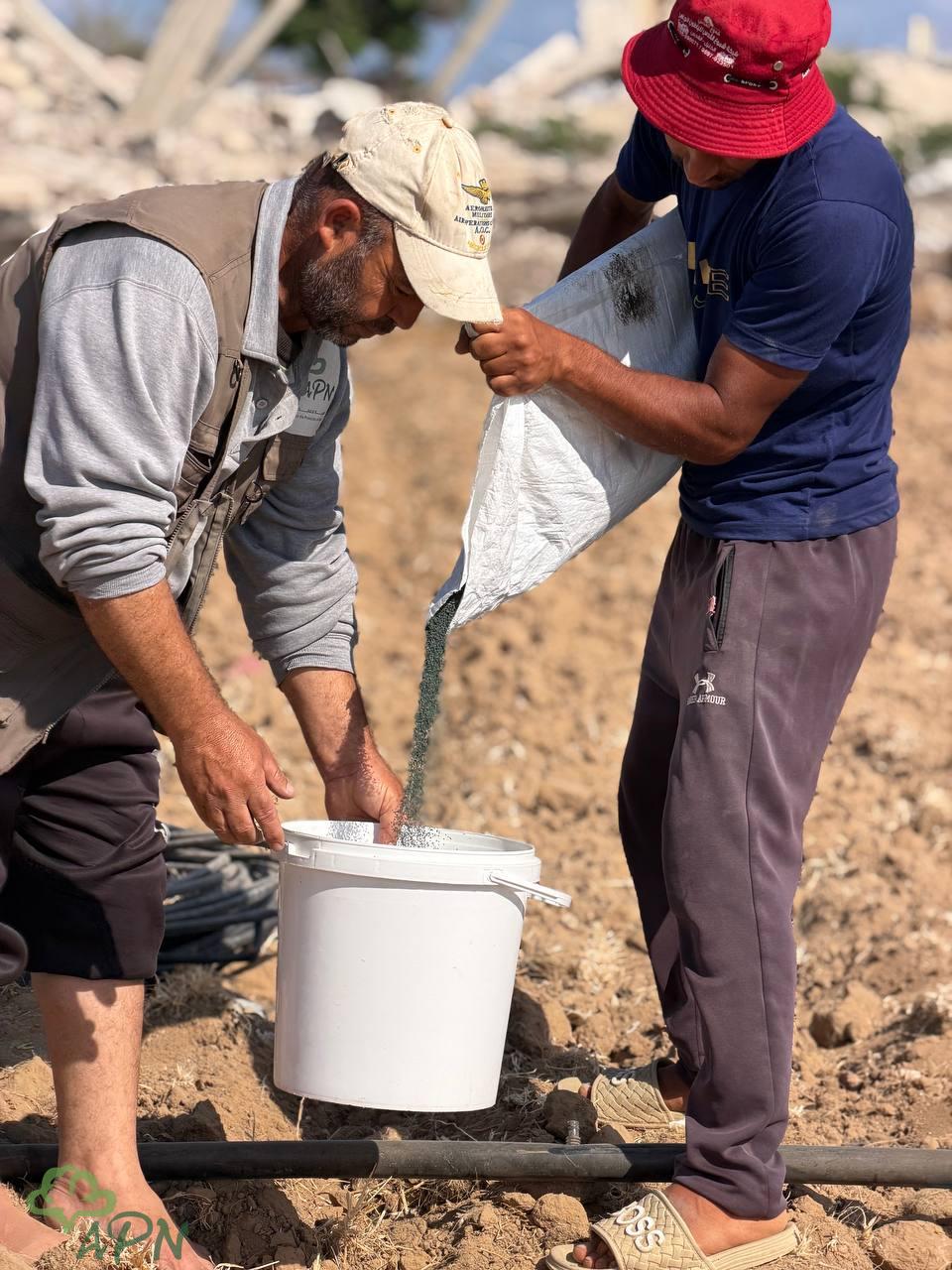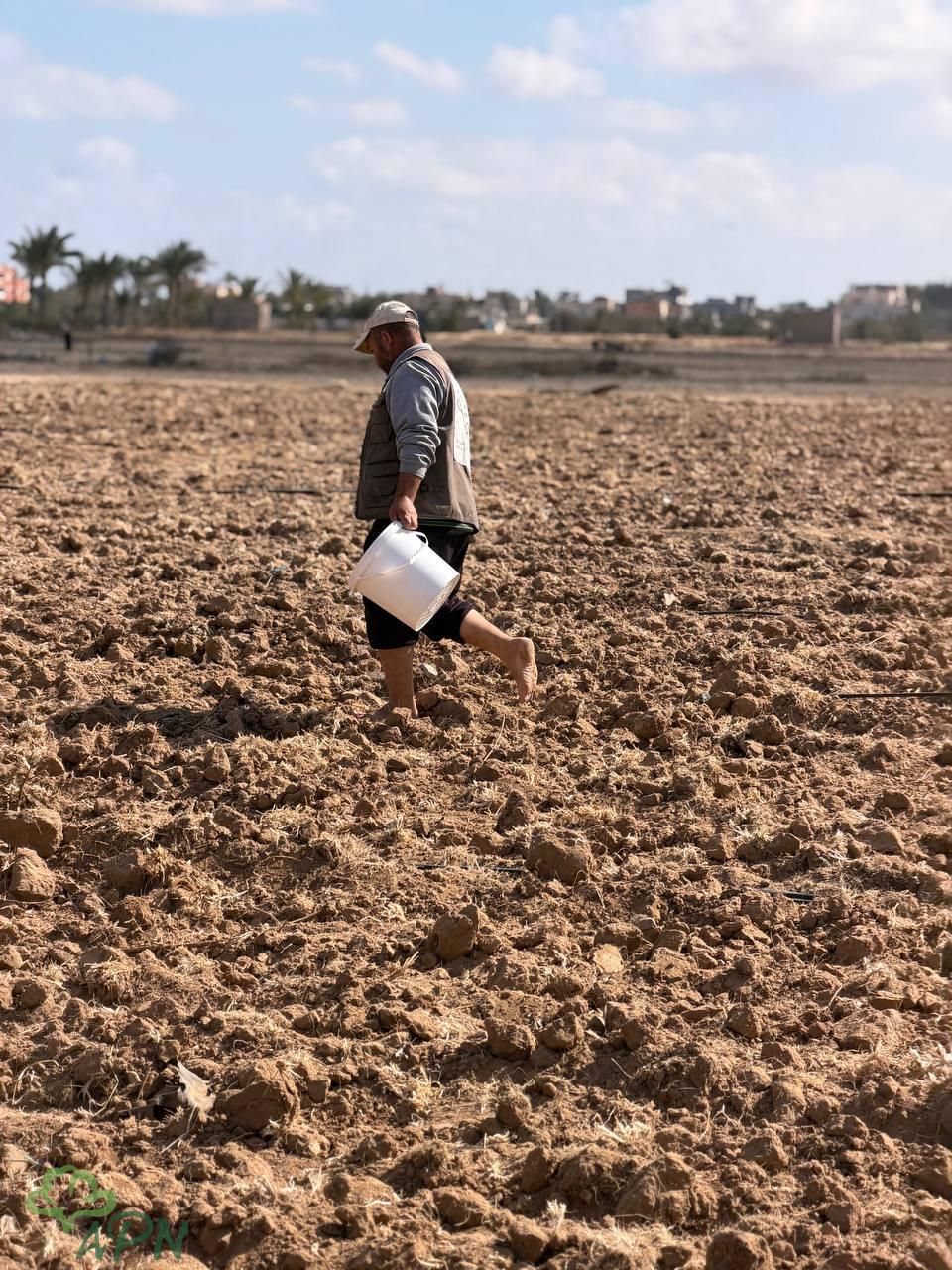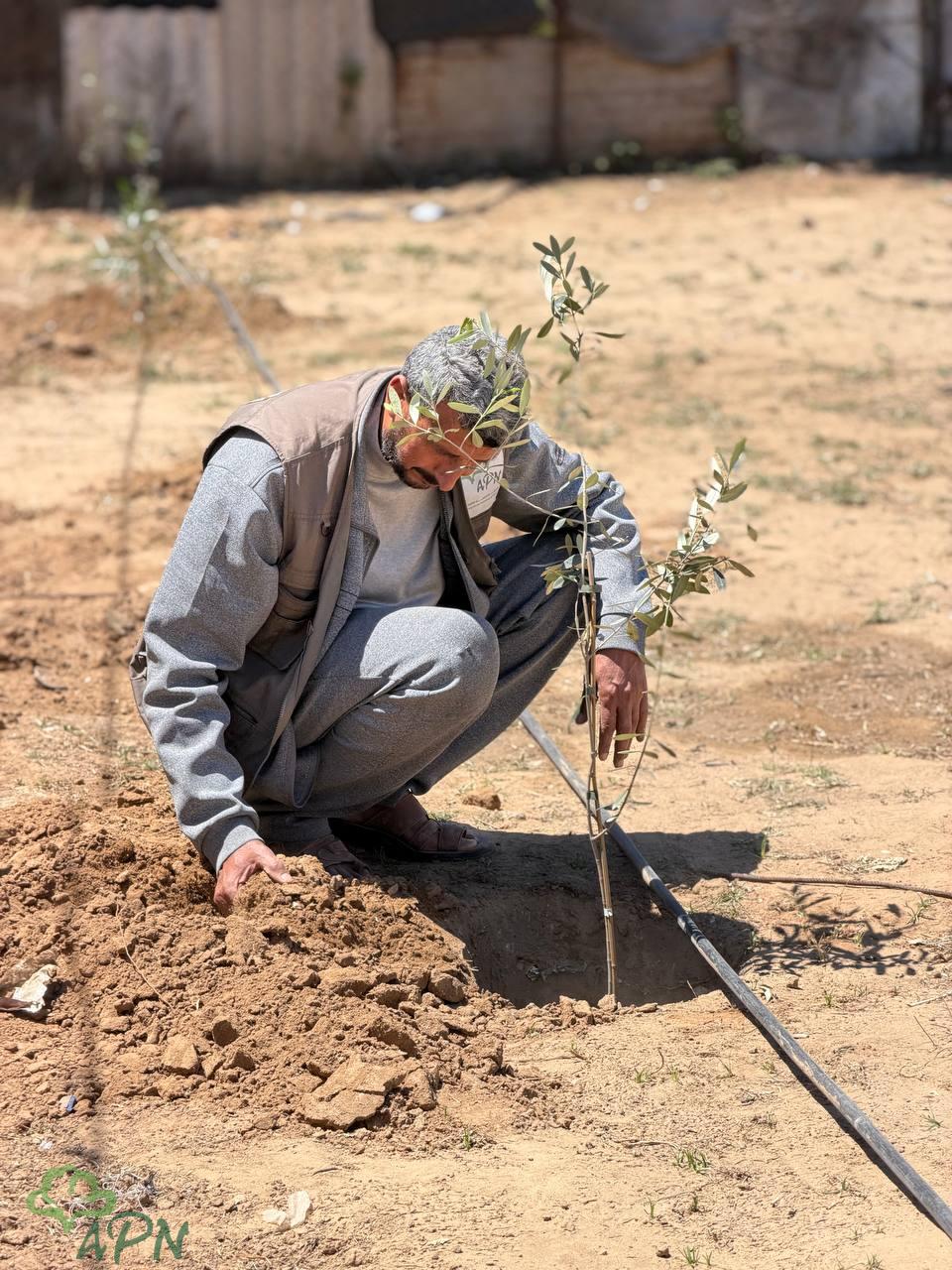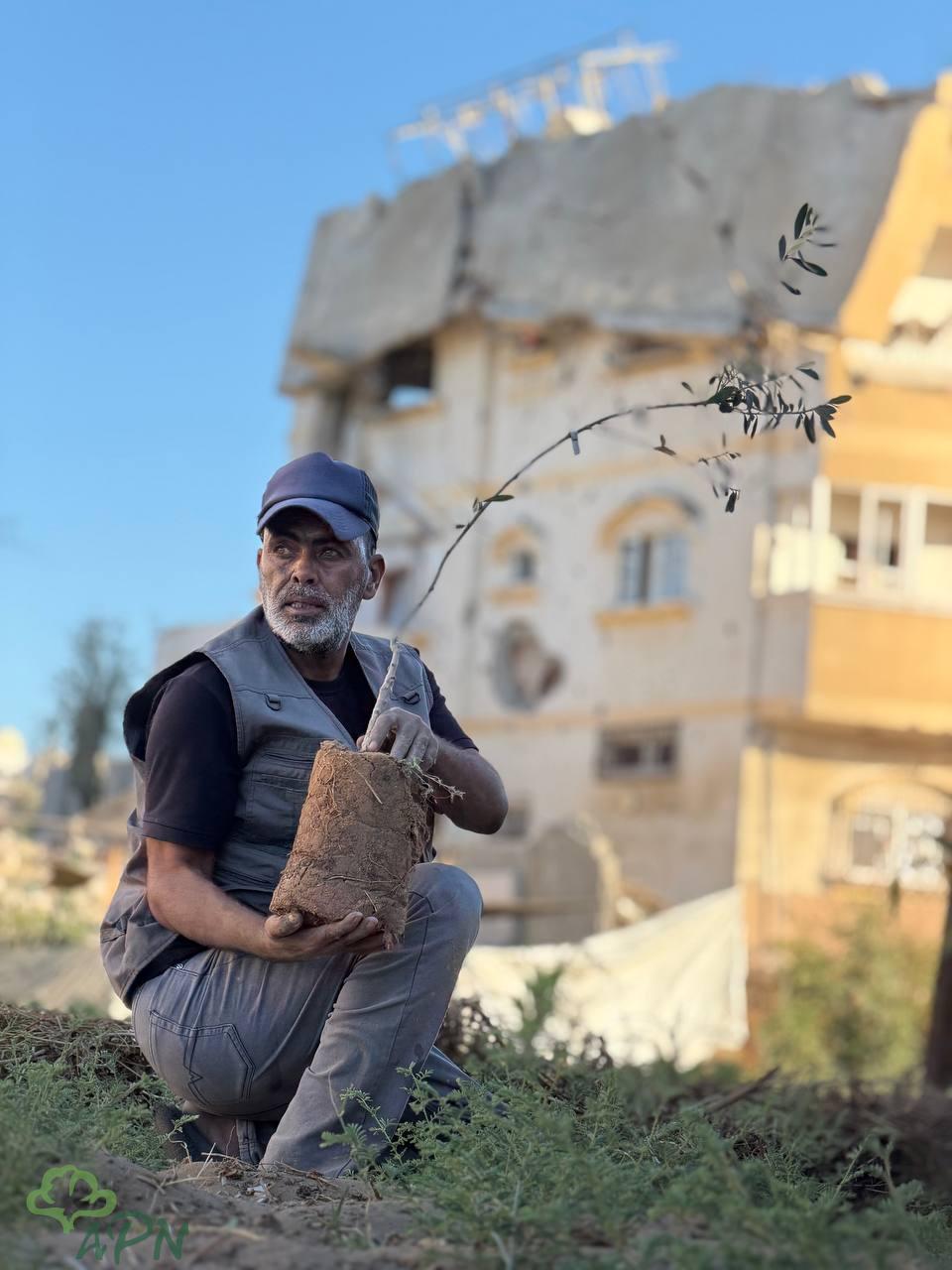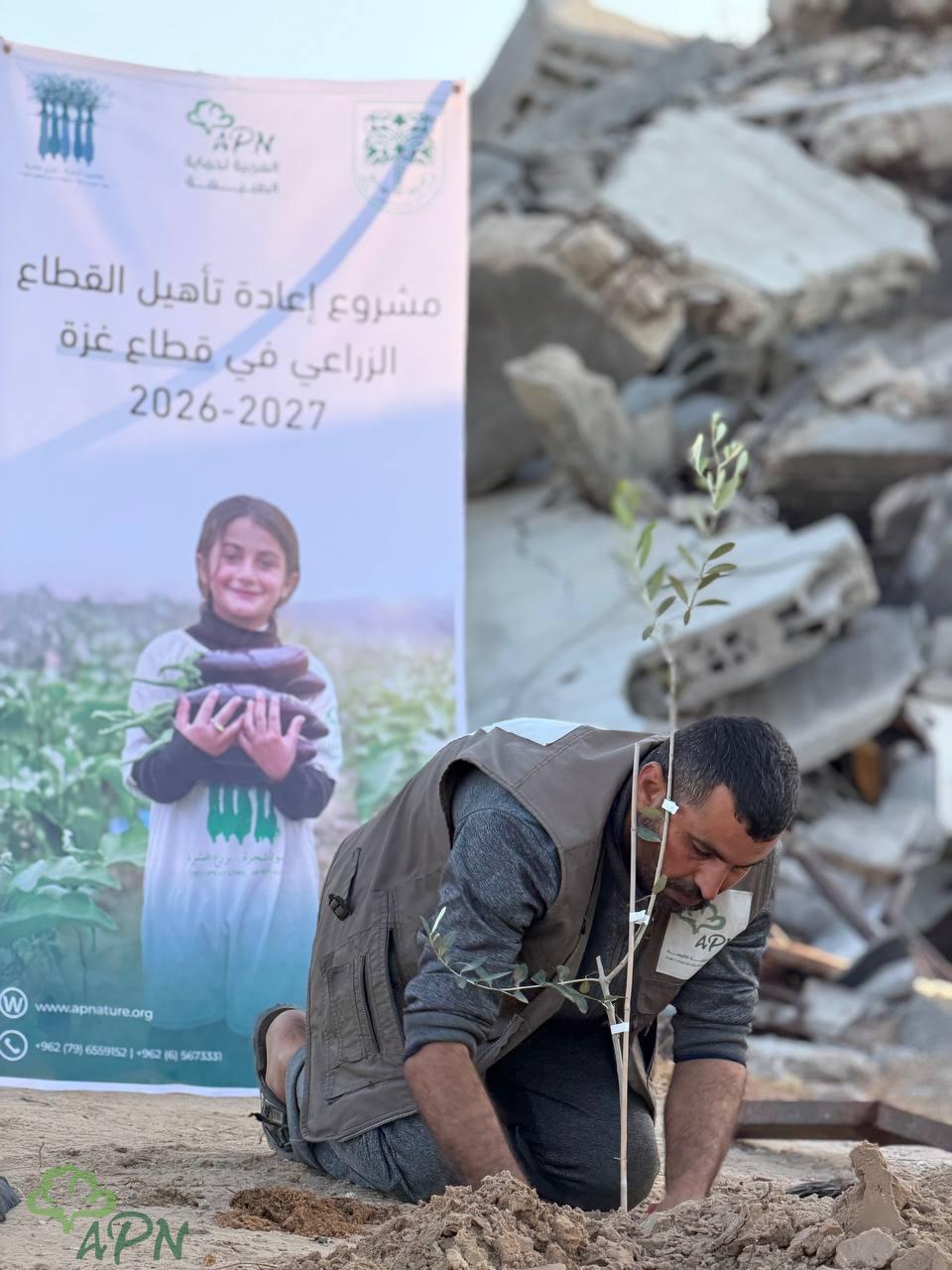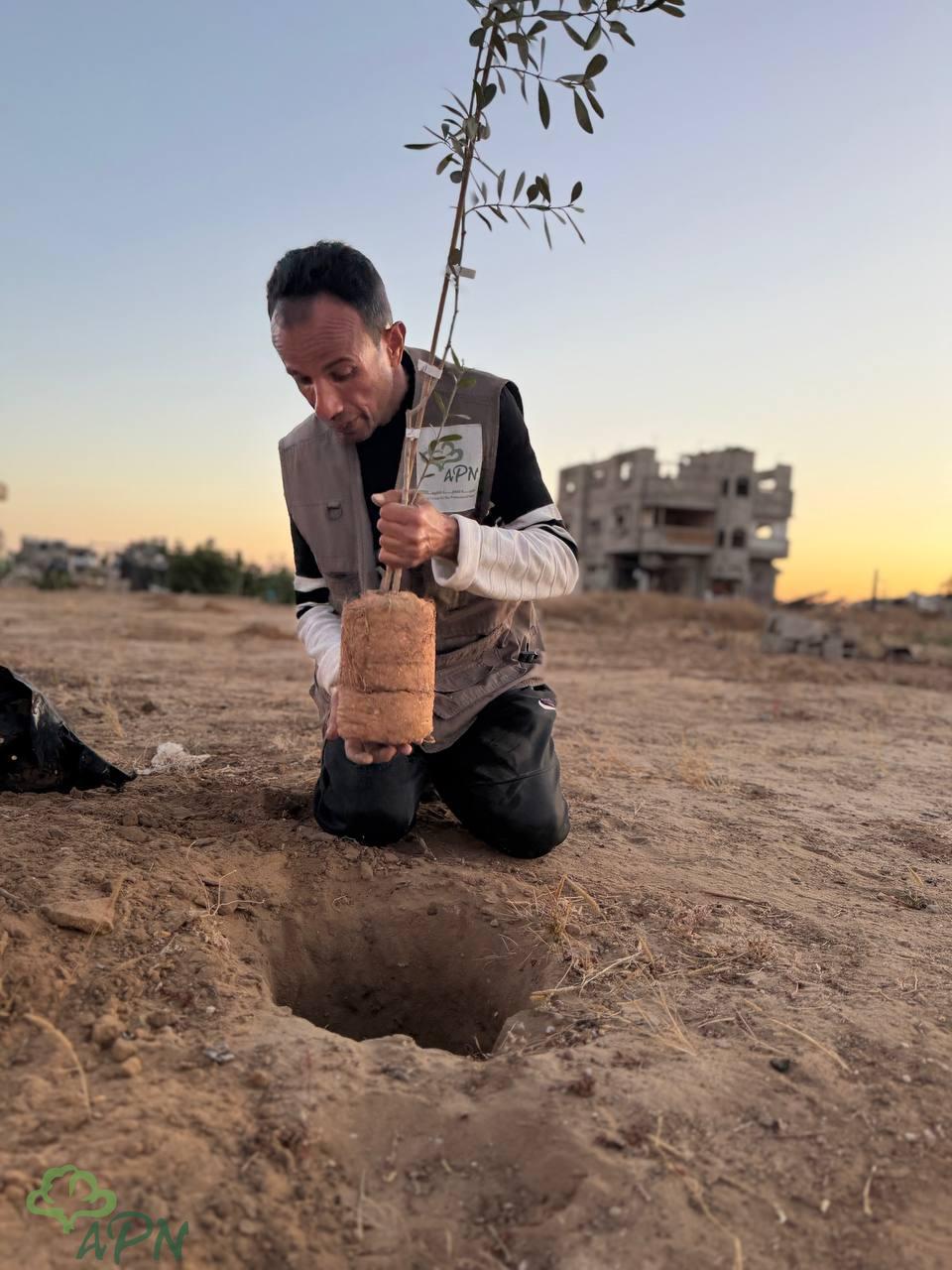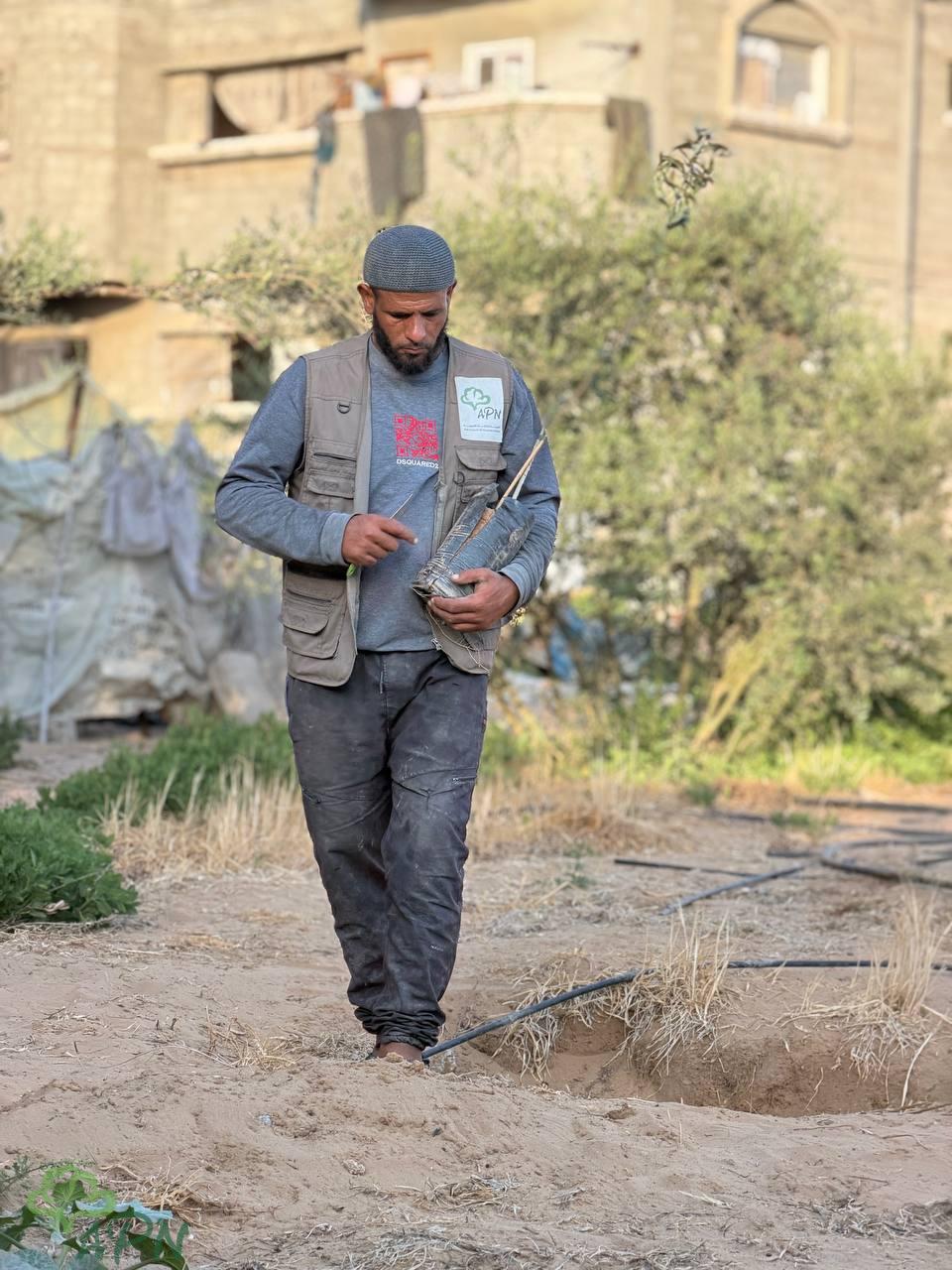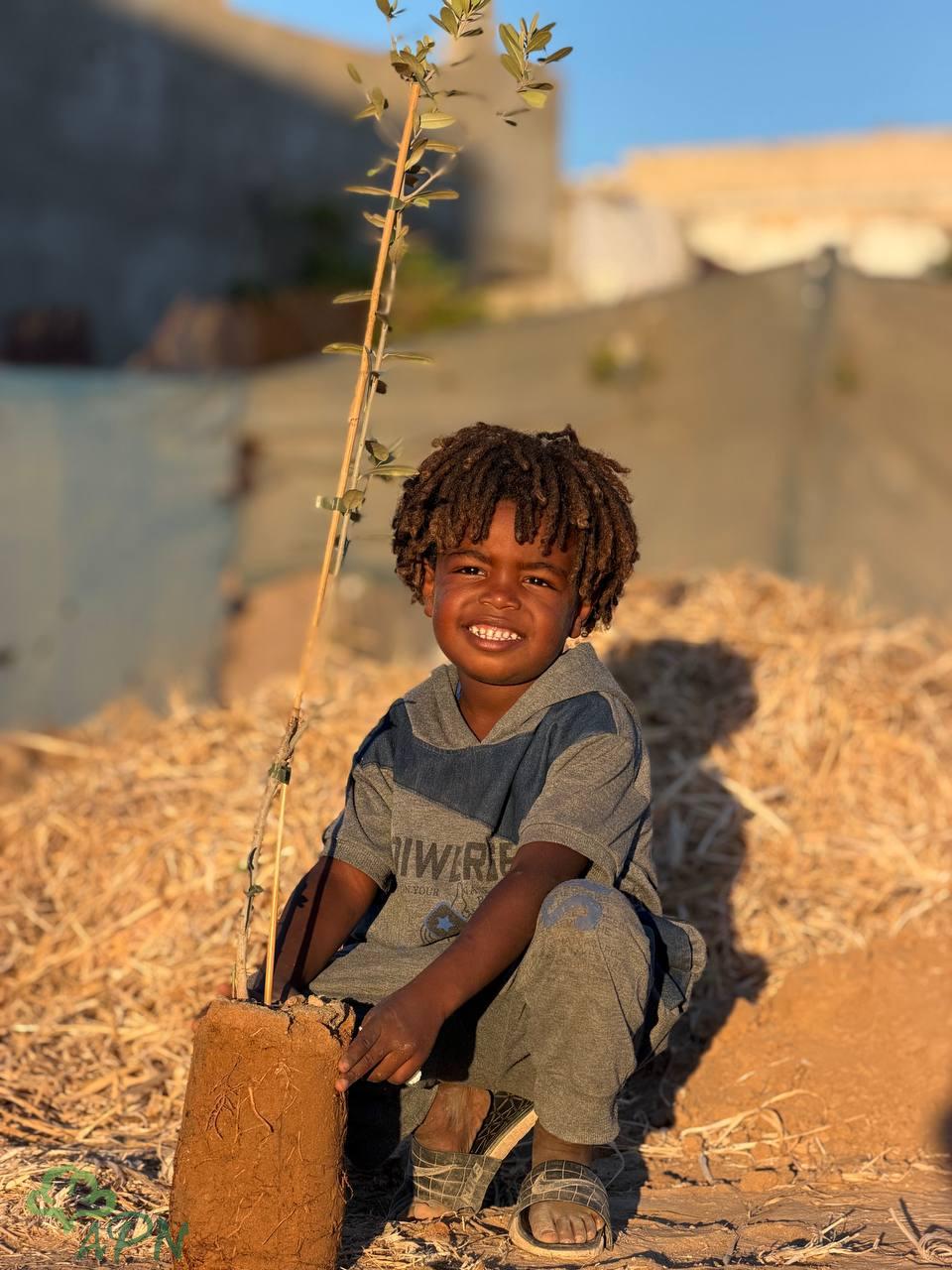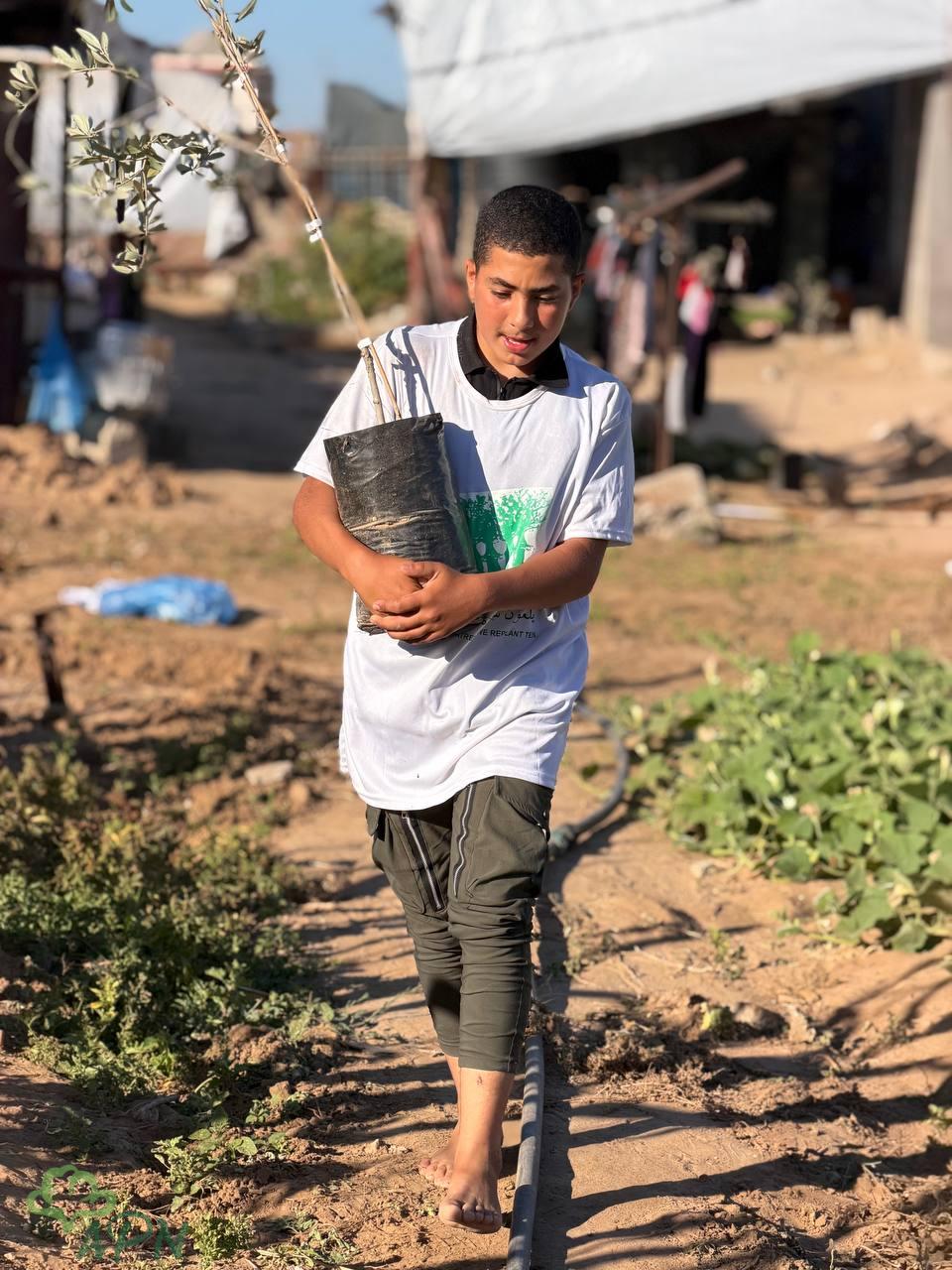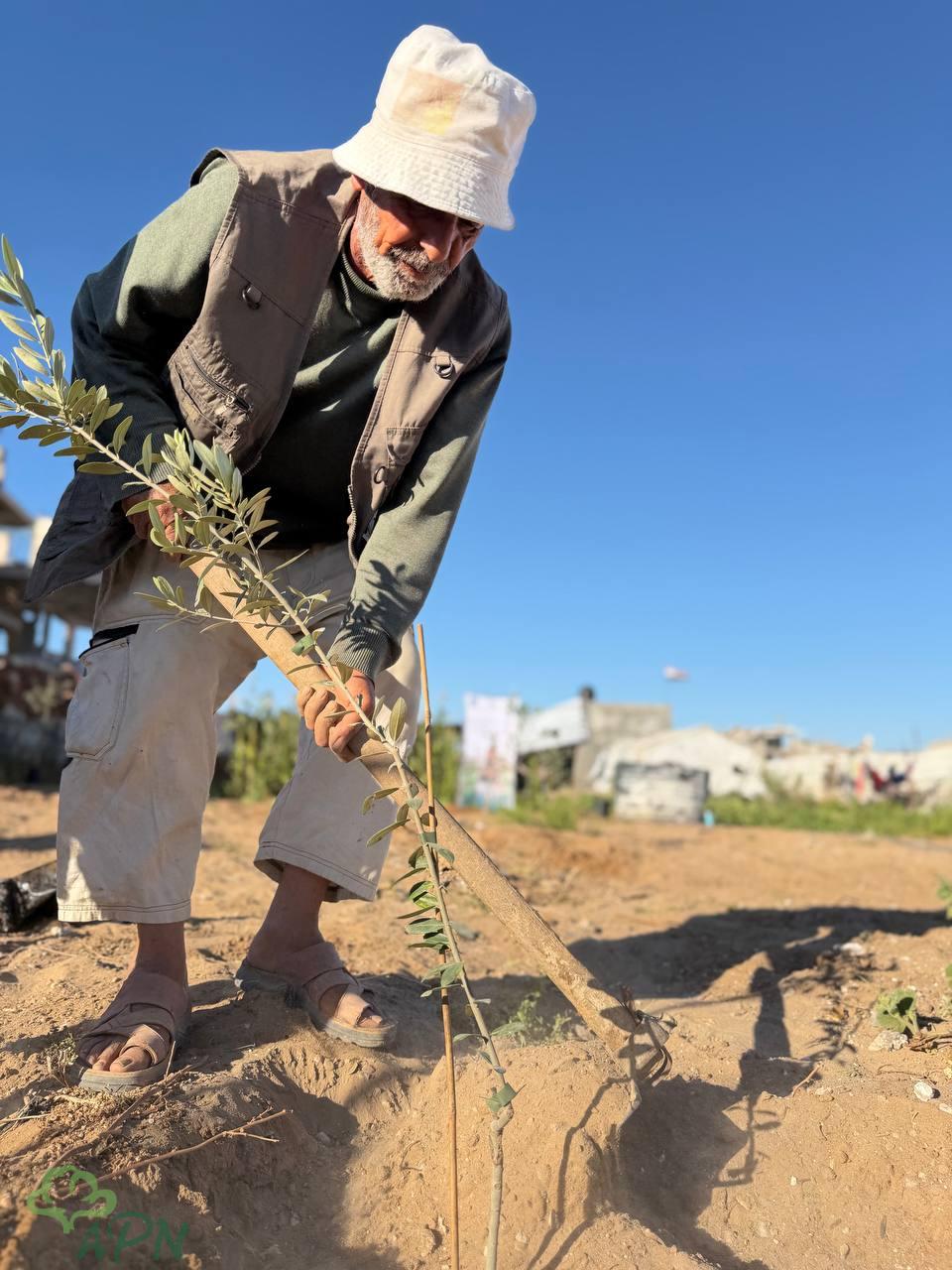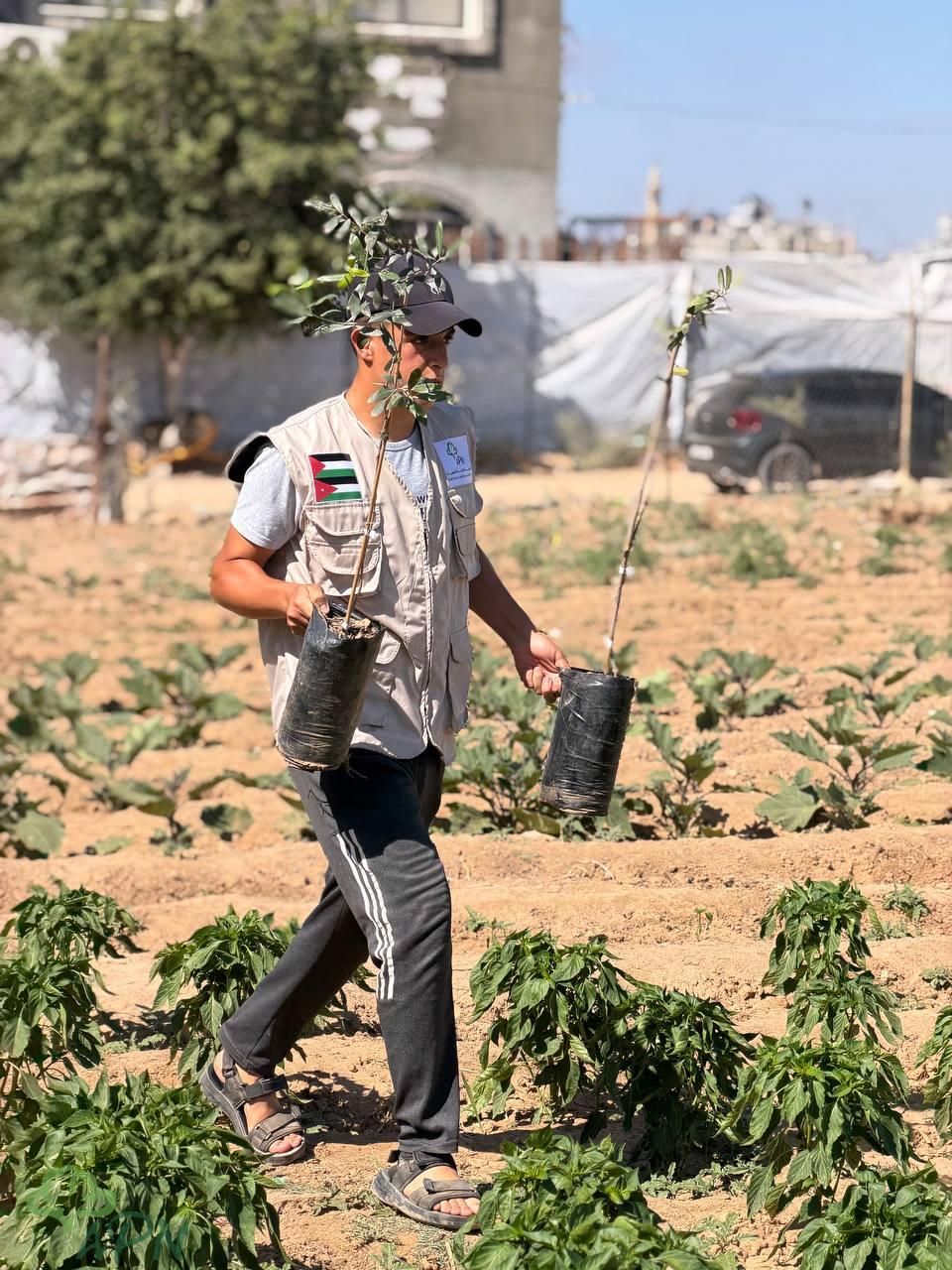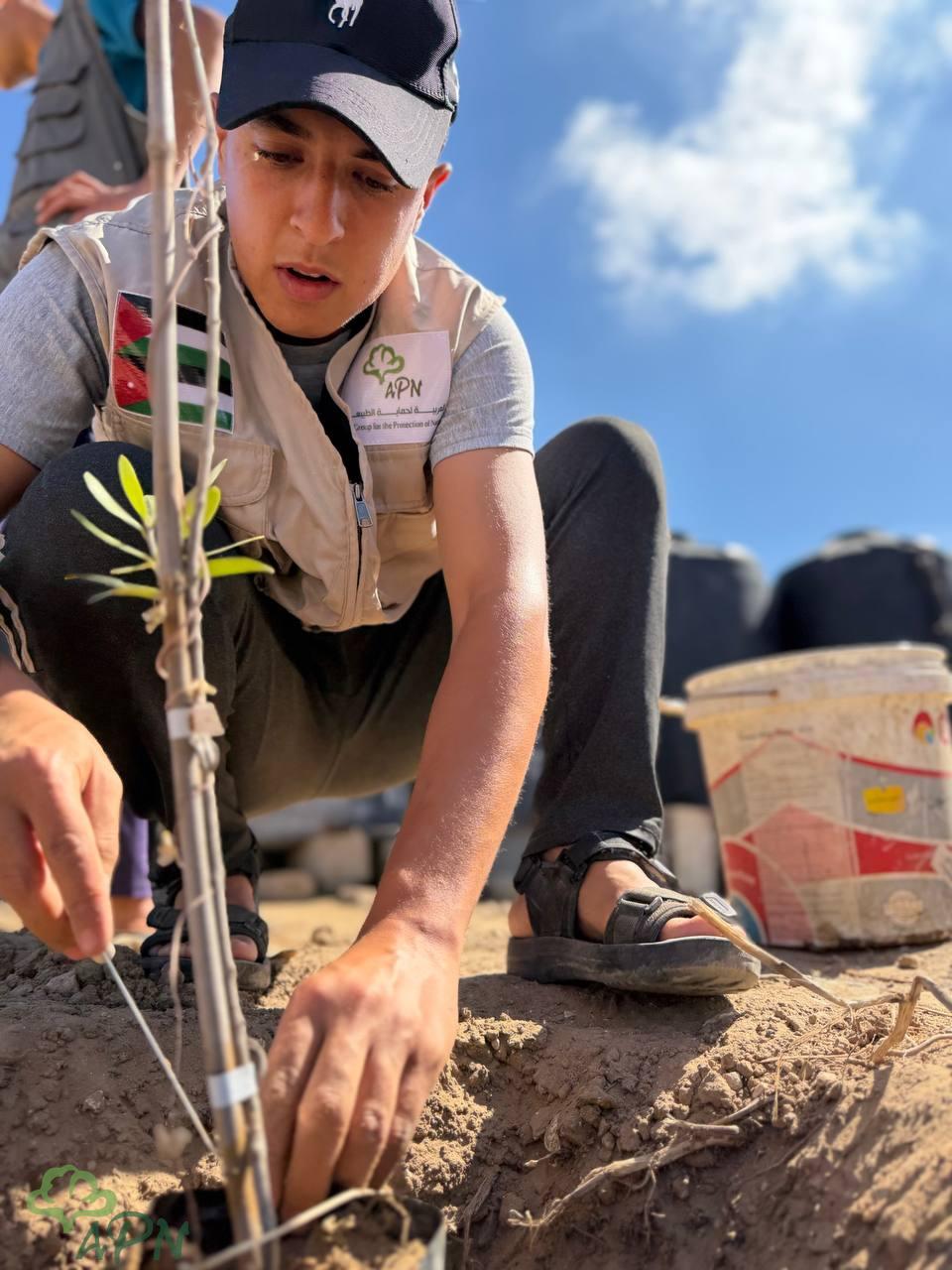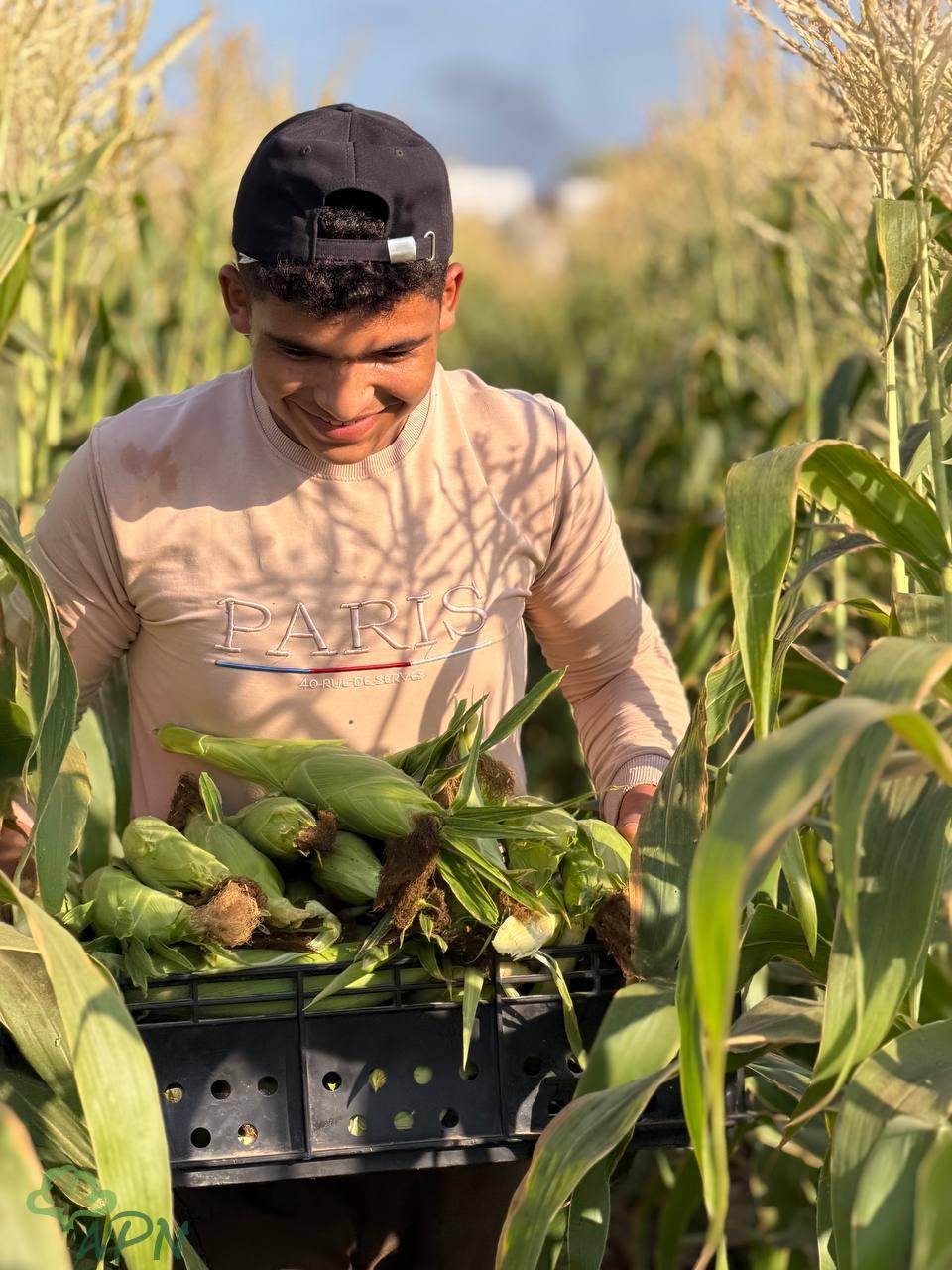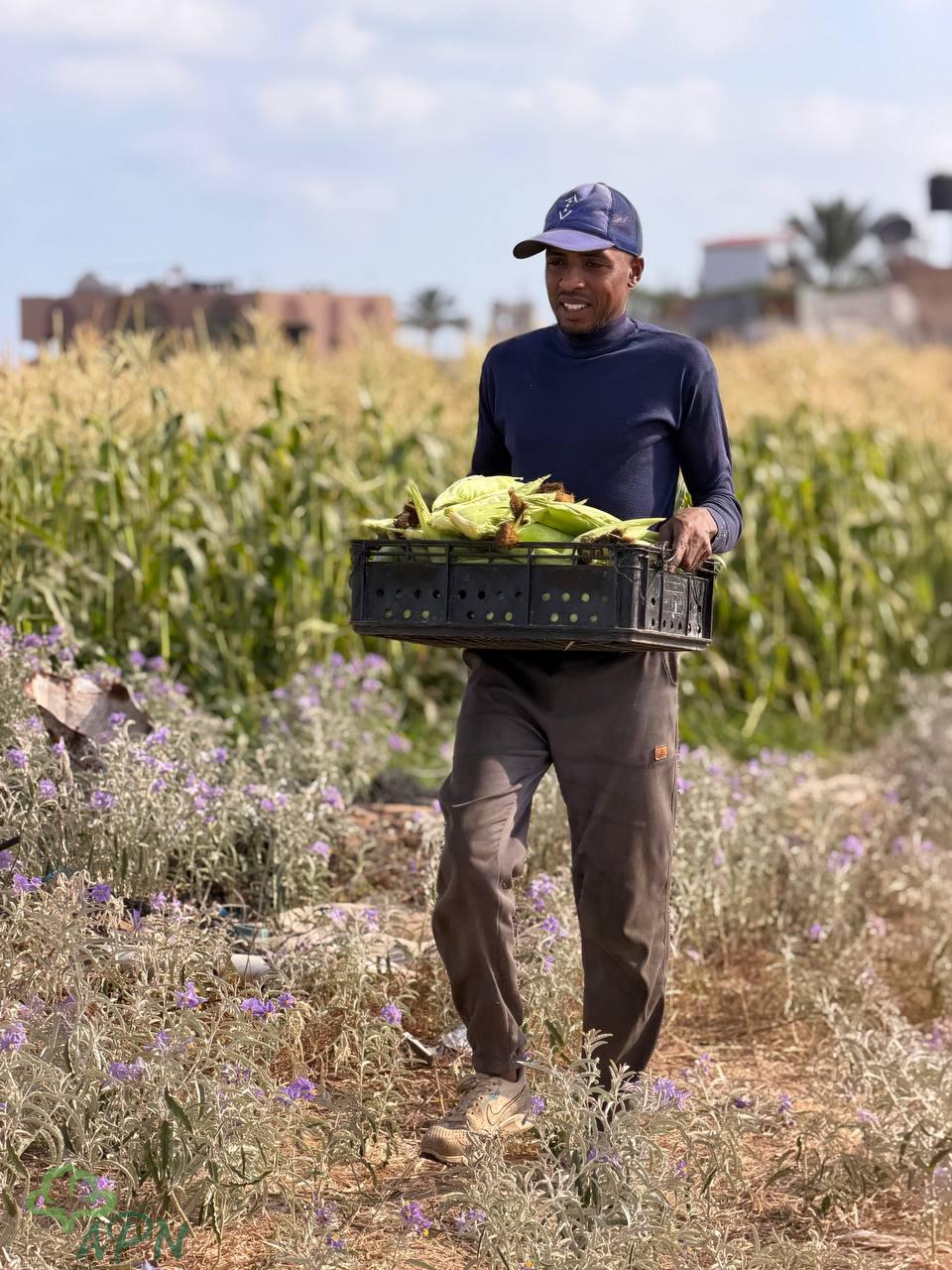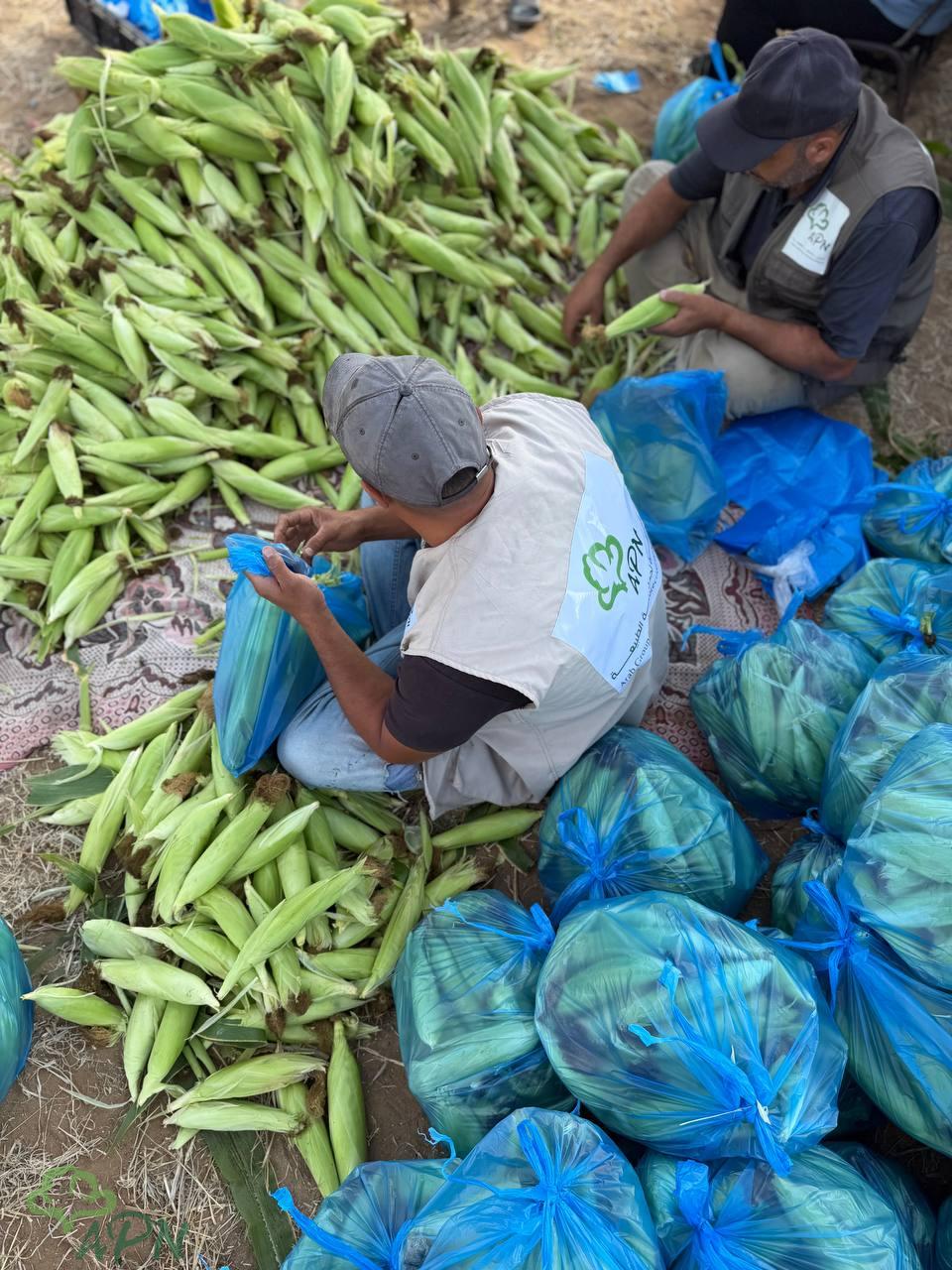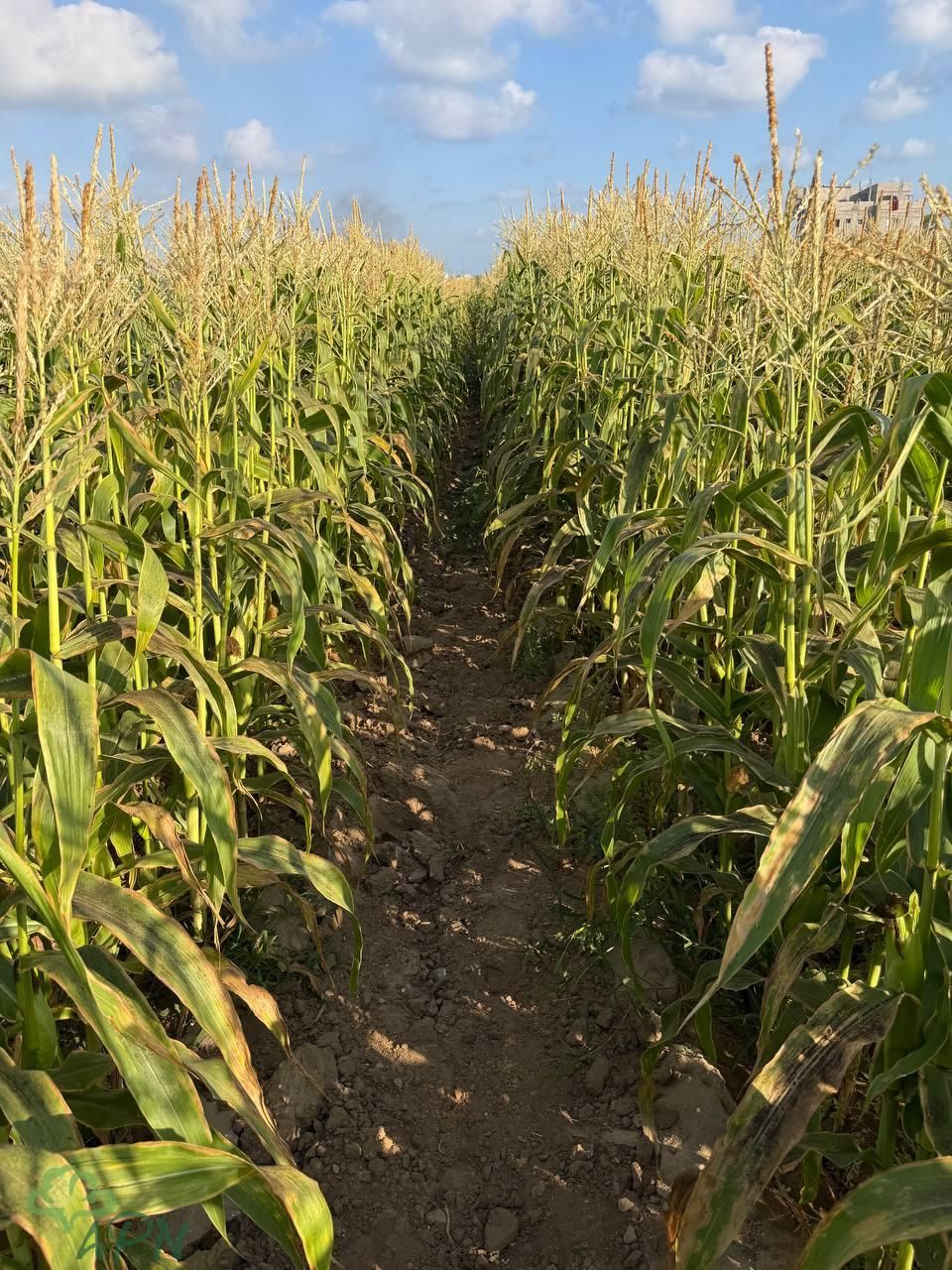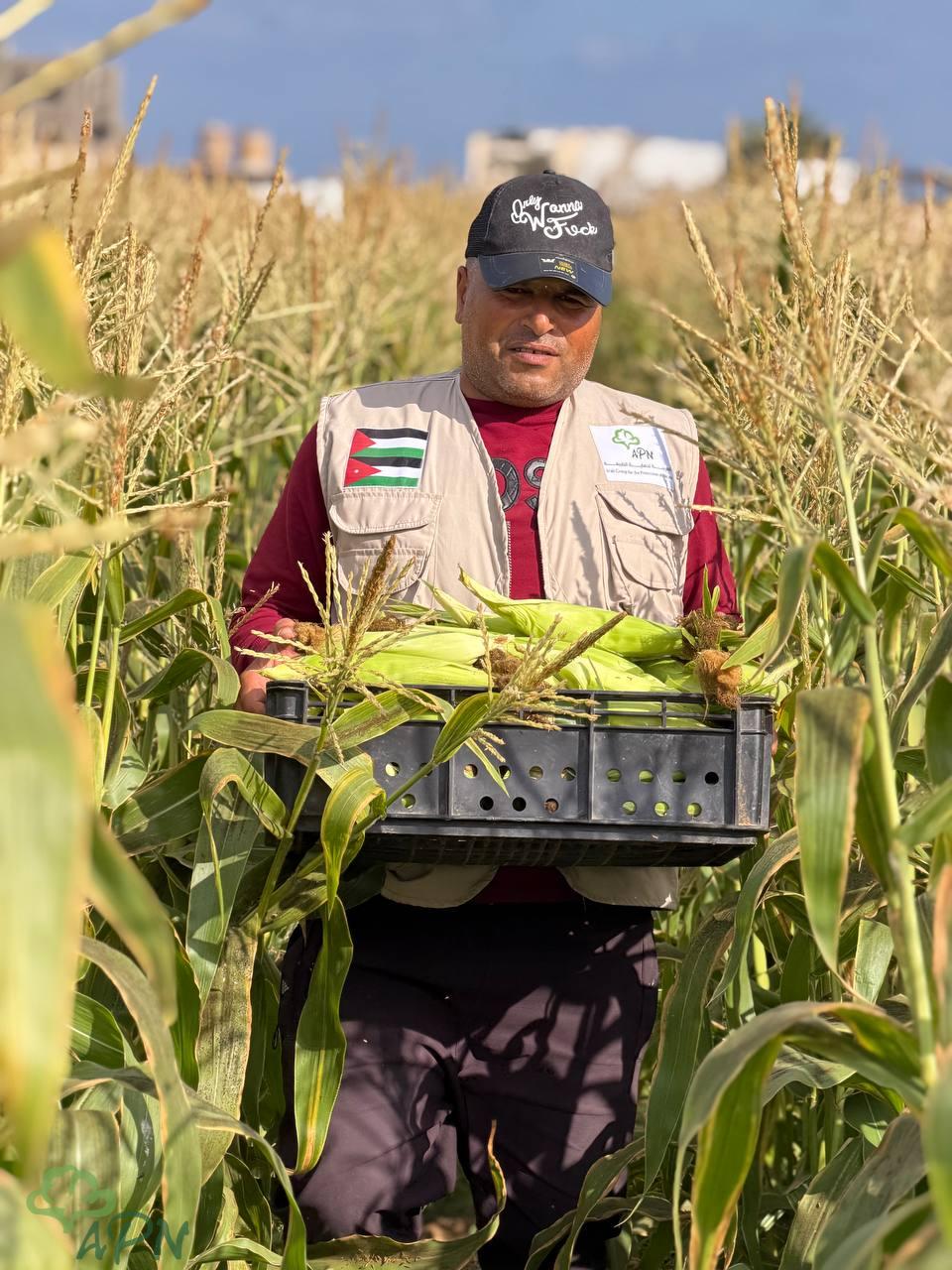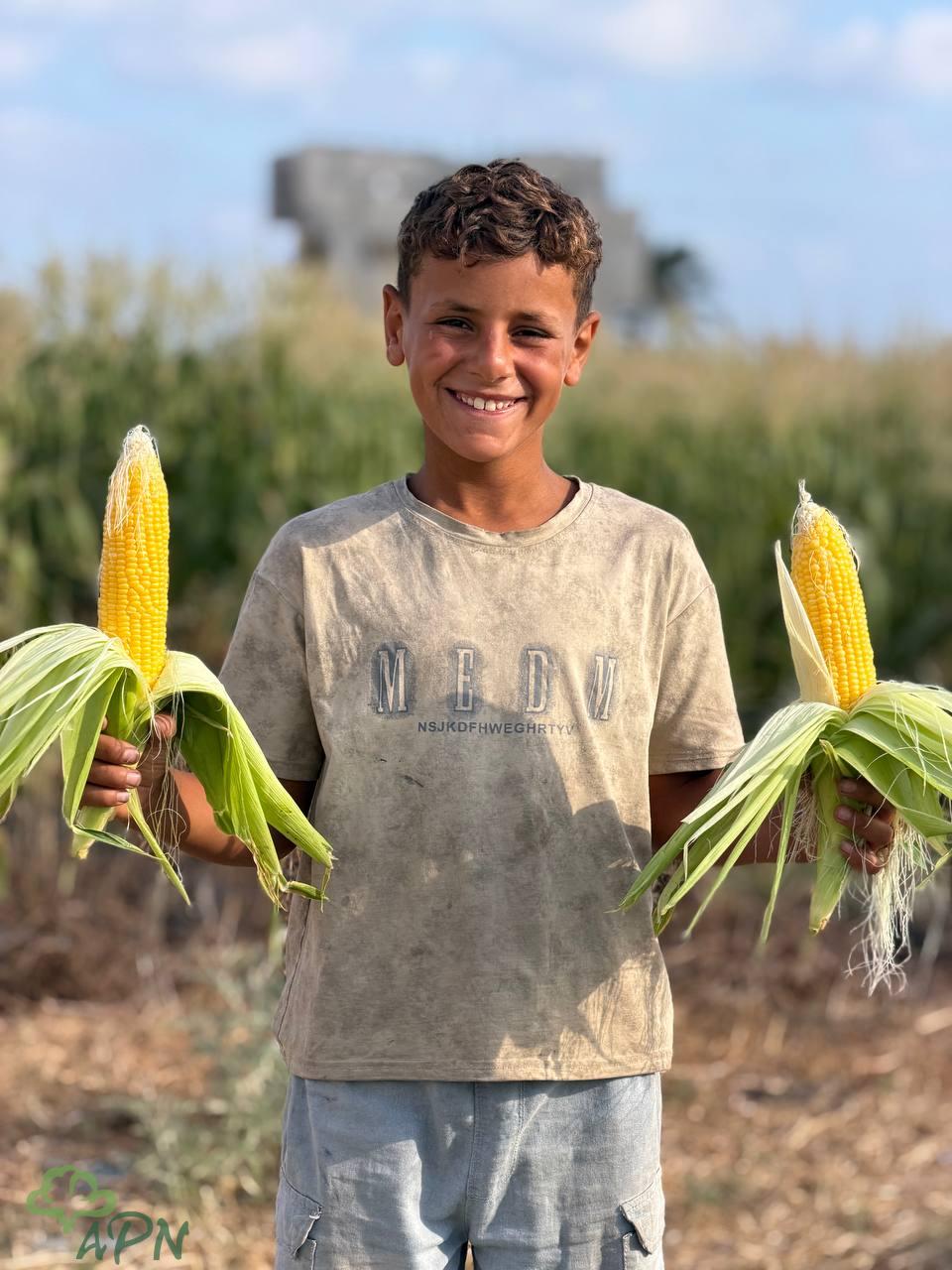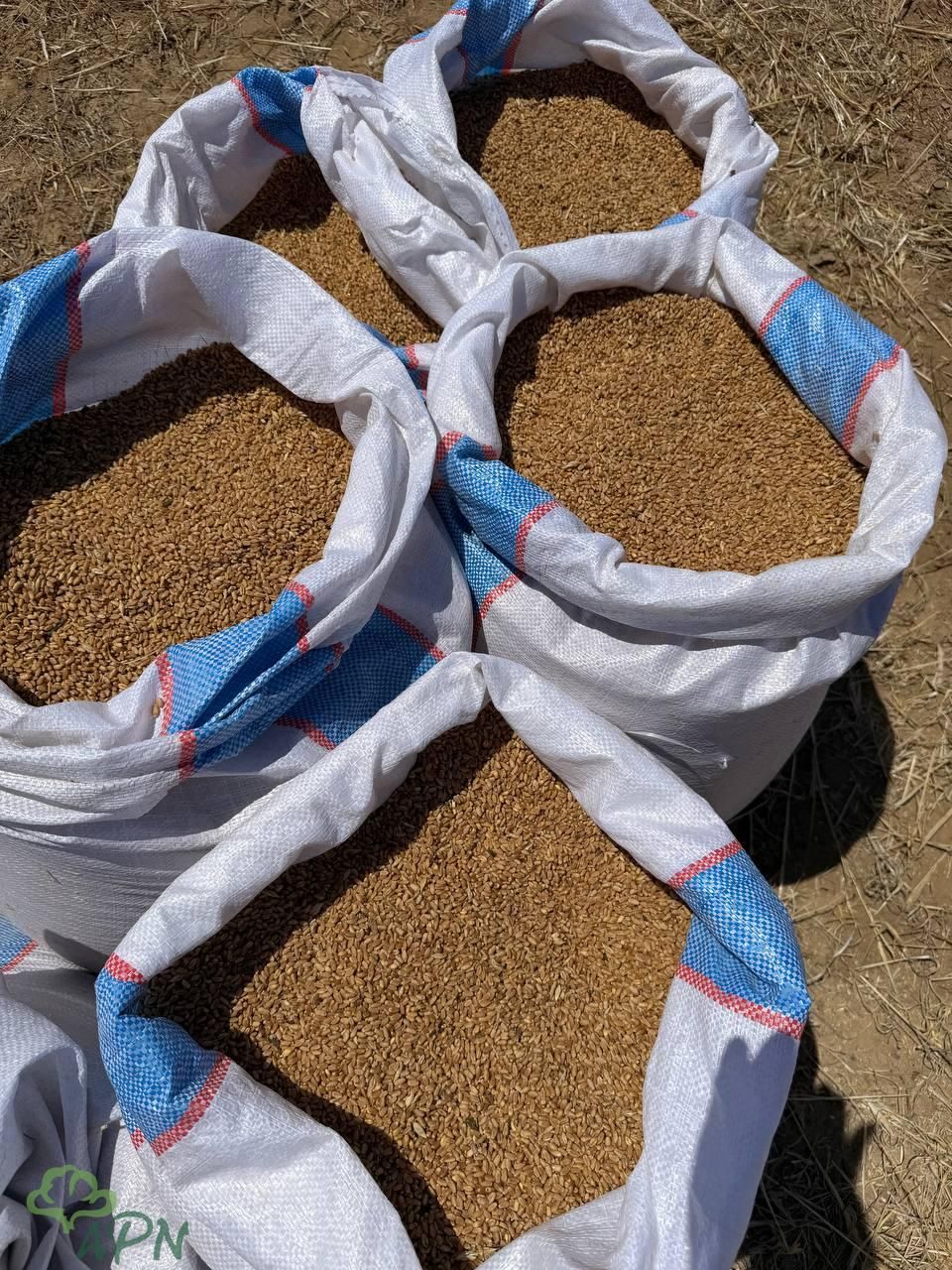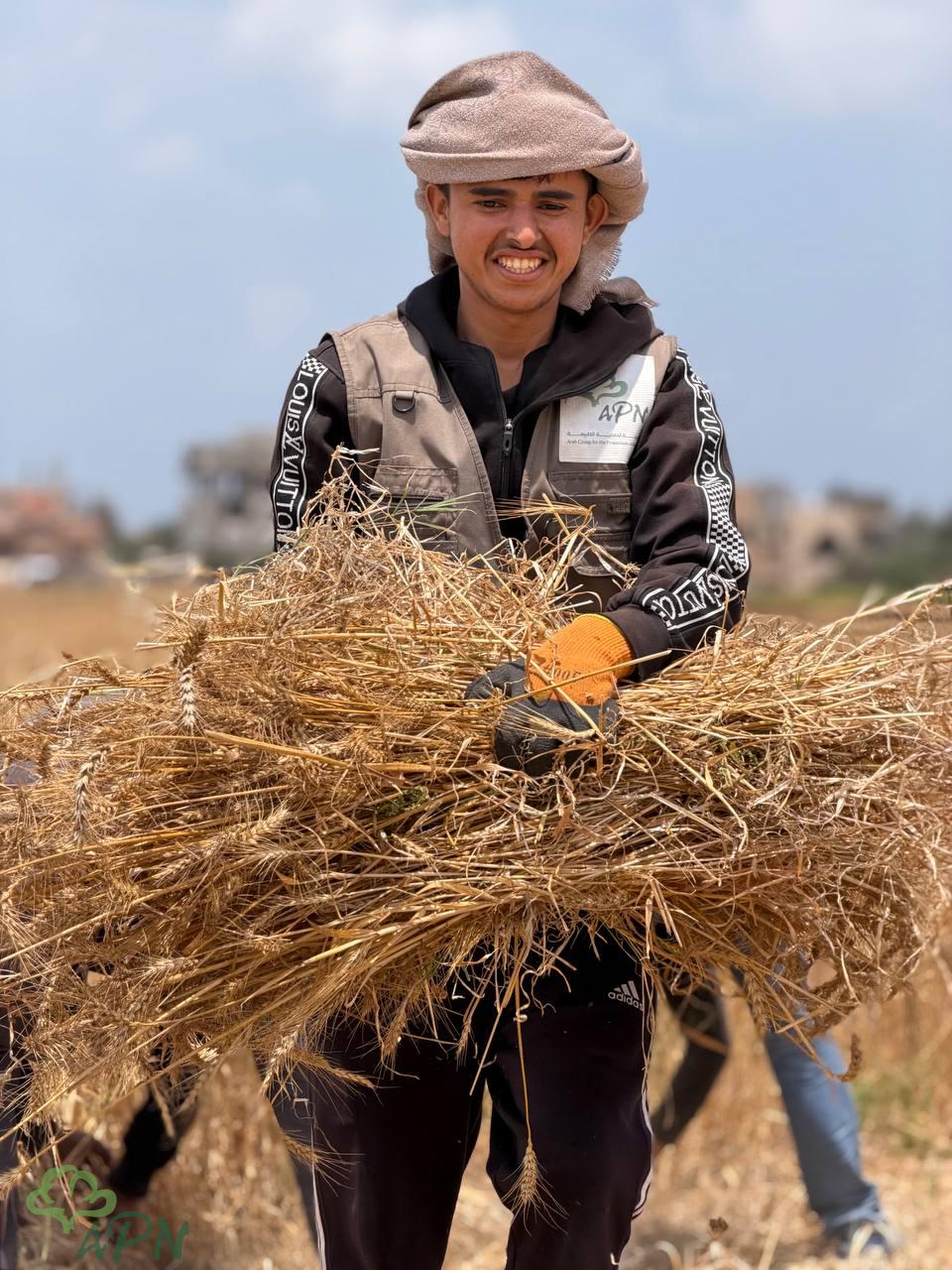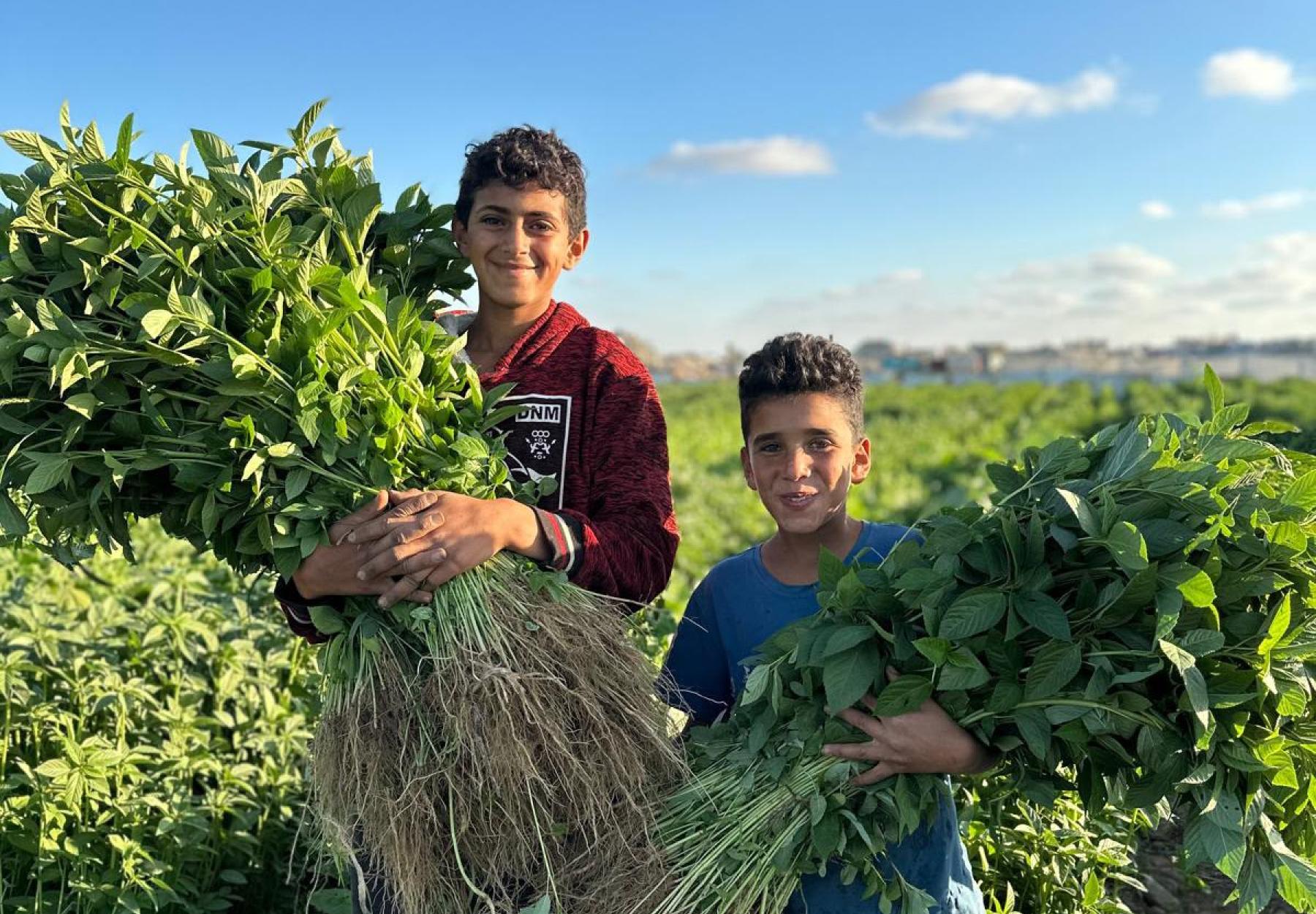
The second quarter of 2026 witnessed intensified agricultural activity under the Revive Gaza’s Farmland project. Despite the ongoing genocide and the widespread destruction inflicted on the agricultural sector, 476 dunums were cultivated with a variety of vegetables, wheat, and fruit trees across Gaza. We have worked alongside 384 farming families, supporting the livelihoods of approximately 2,155 people.
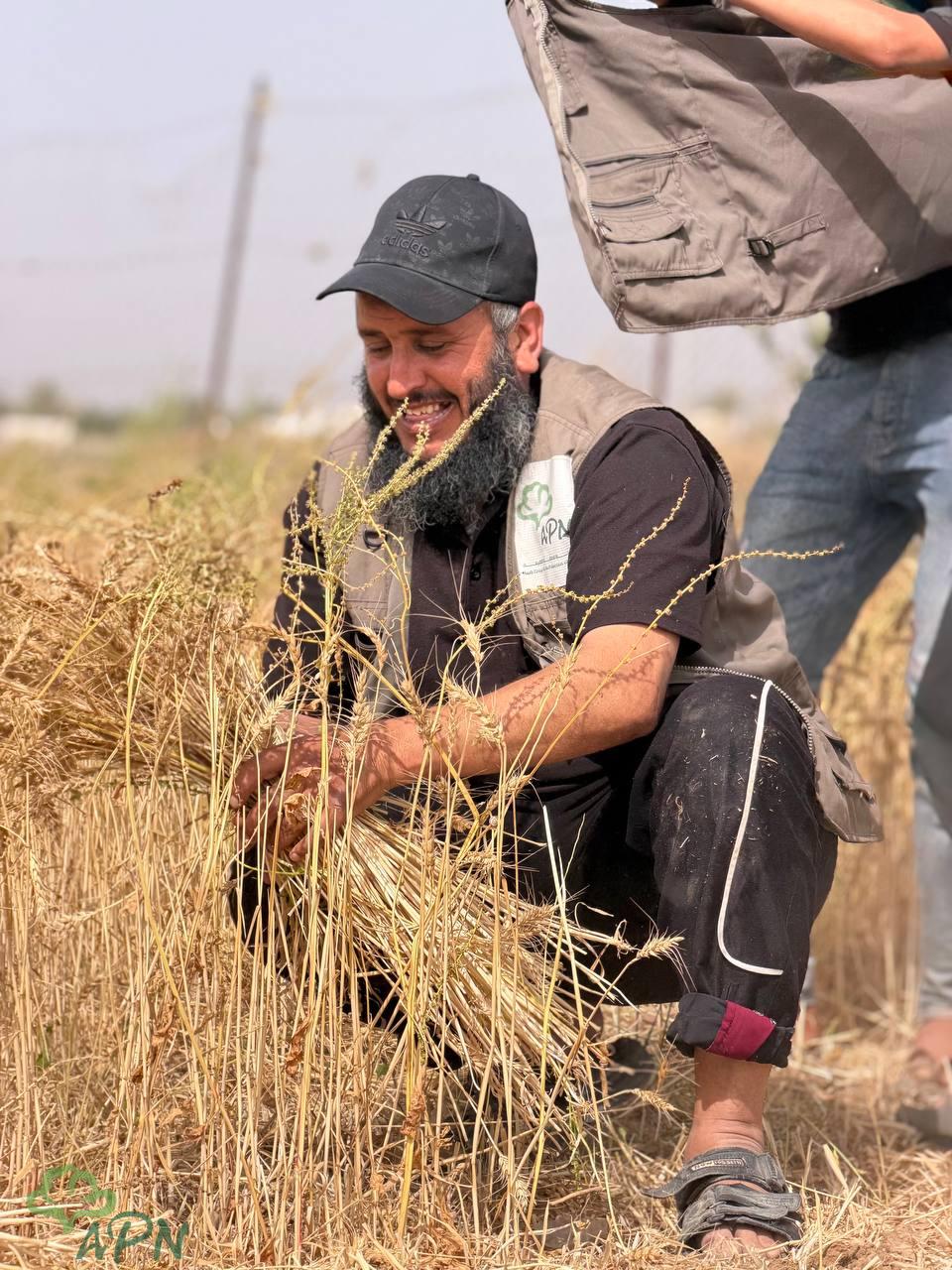
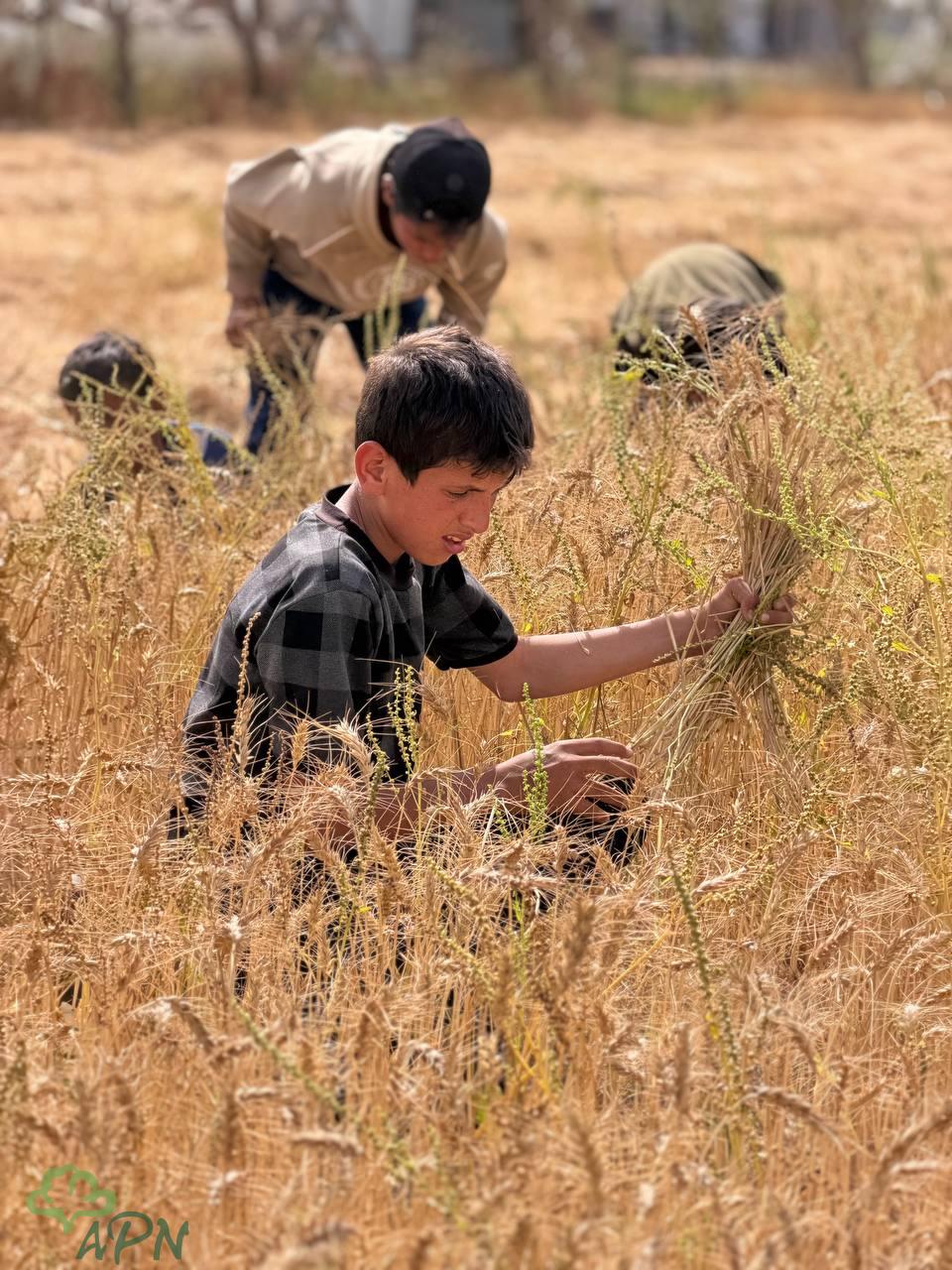
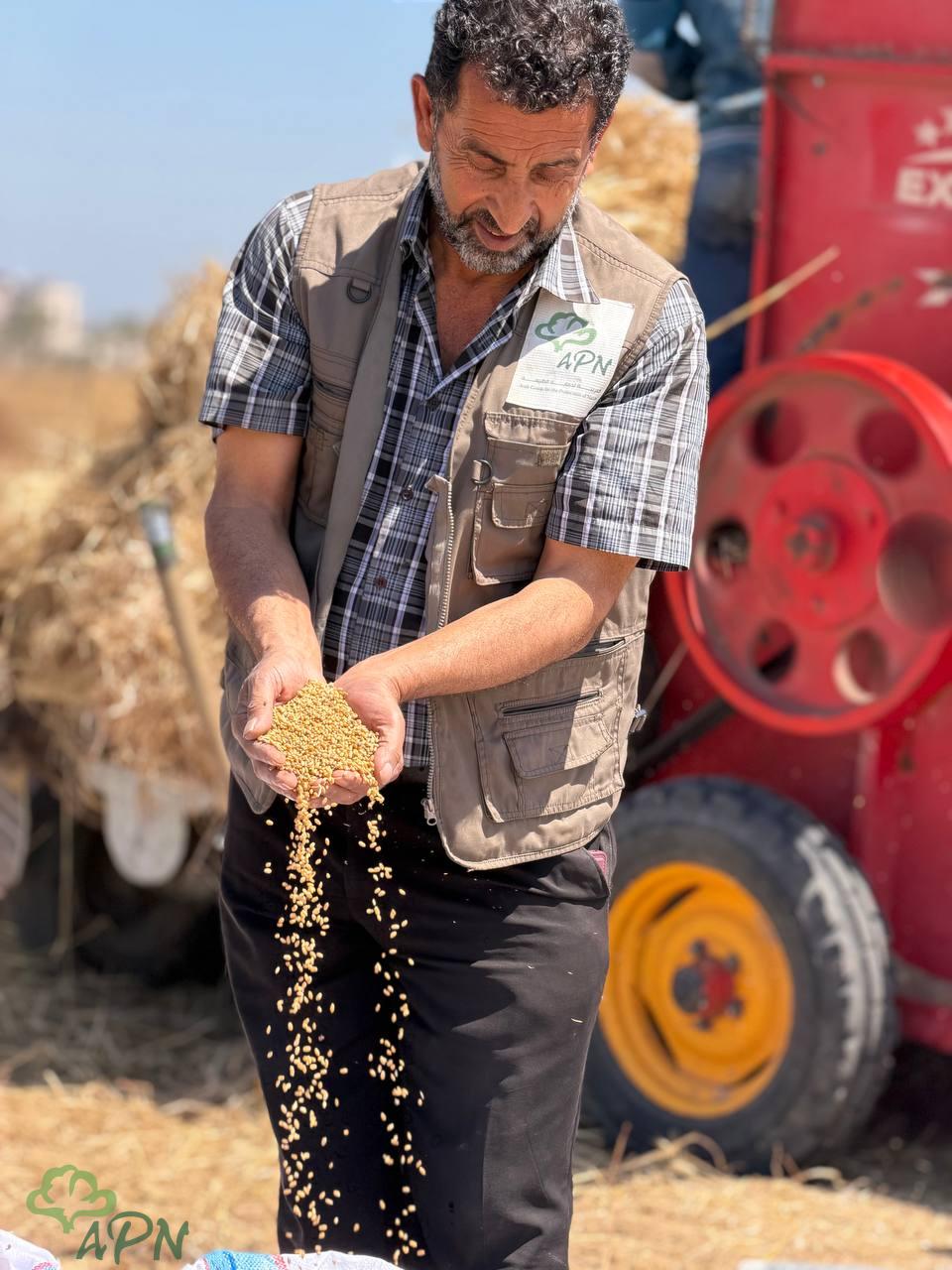
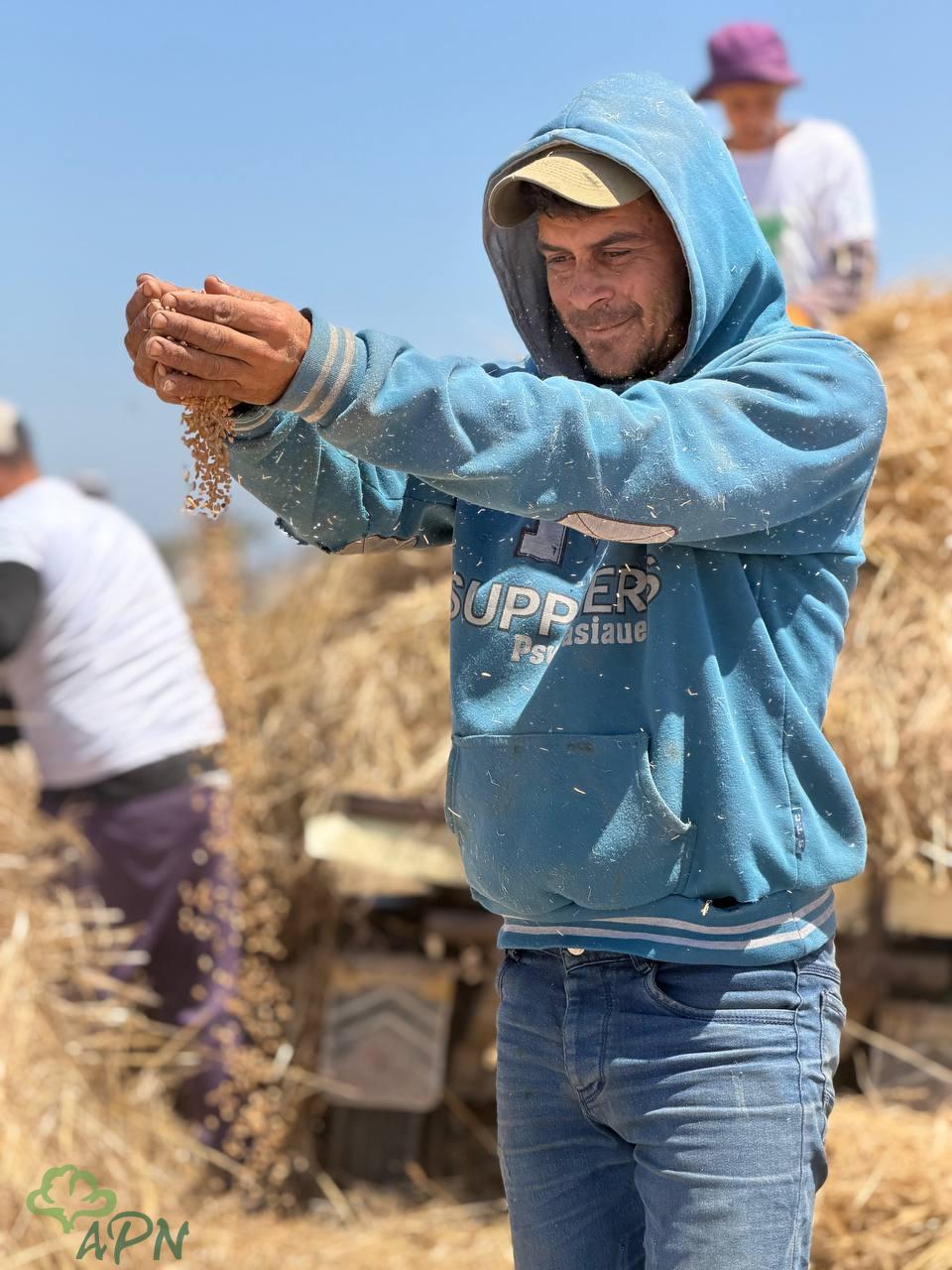
Farmers planted 330,700 vegetable seedlings and 5,145 kg of vegetable seeds, with an expected yield of approximately 1.74 million kg of produce. Cultivated varieties included tomatoes, eggplants, zucchini, cucumbers, peppers, lettuce, corn, onions, watermelon, molokhia, squash, and cabbage. In addition, 50 kg of wheat were planted, resulting in a harvest of 8,225 kg, contributing to local production of essential crops. The project also supported the planting of 7,988 olive, fig, and grape trees, installed 2,000 meters of water distribution pipelines, and rehabilitated one water well.
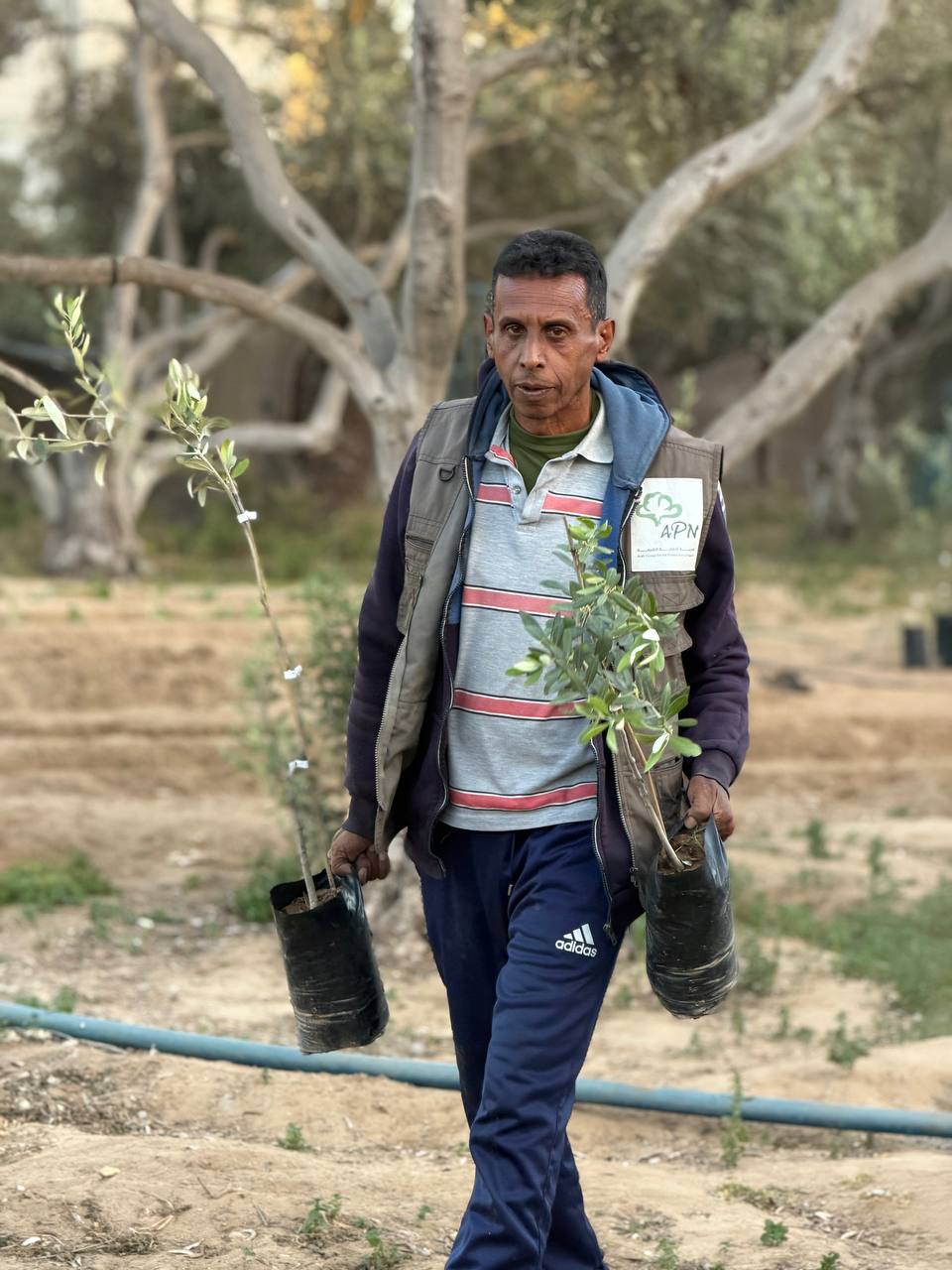
As part of expanding efforts to rehabilitate Gaza's agricultural sector, APN launched a new partnership with the Arab Fund for Economic and Social Development, in collaboration with the Palestinian Ministry of Agriculture, to implement a year-long integrated project covering more than 700 dunums across northern, central, and southern Gaza. The project aims to strengthen food security and livelihoods by planting 535 dunums of olive groves (approximately 21,400 olive trees), cultivating 116 dunums with diverse vegetable crops, and planting 30 dunums of wheat during the upcoming season. It also includes rehabilitating 25 greenhouses, restoring two agricultural nurseries to produce local seedlings, and supporting the fisheries sector by providing fishing nets to 20 fishers.
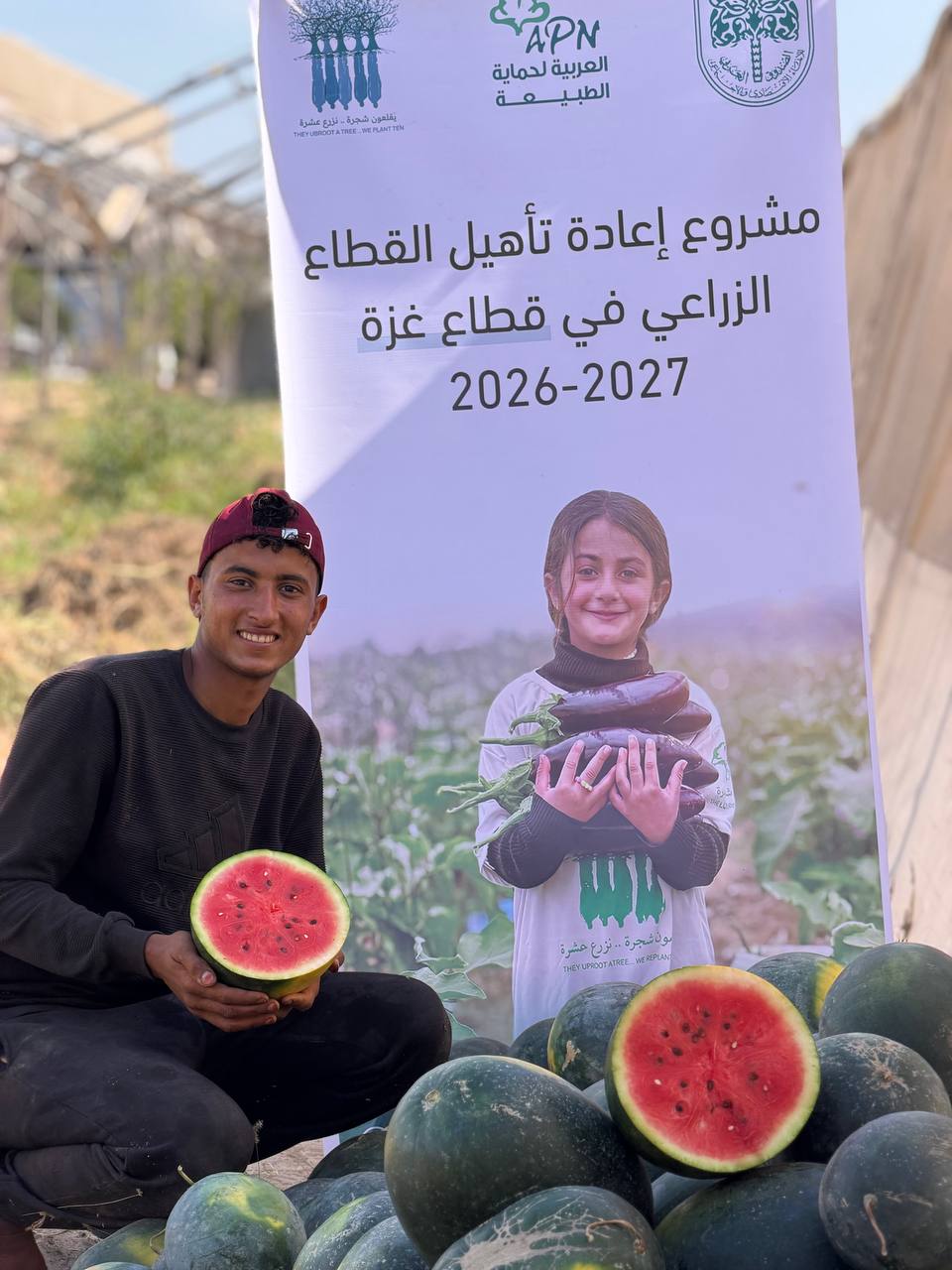
International campaigning organization, Avaaz, also launched a public campaign in support of the project. Contributions from its members enabled the cultivation of 35 dunums with a range of crops – including cucumbers, eggplants, zucchini, peas, beans, radishes, potatoes, peppers, and wheat – as well as the planting of 1,000 olive and fig trees across 20 dunums.
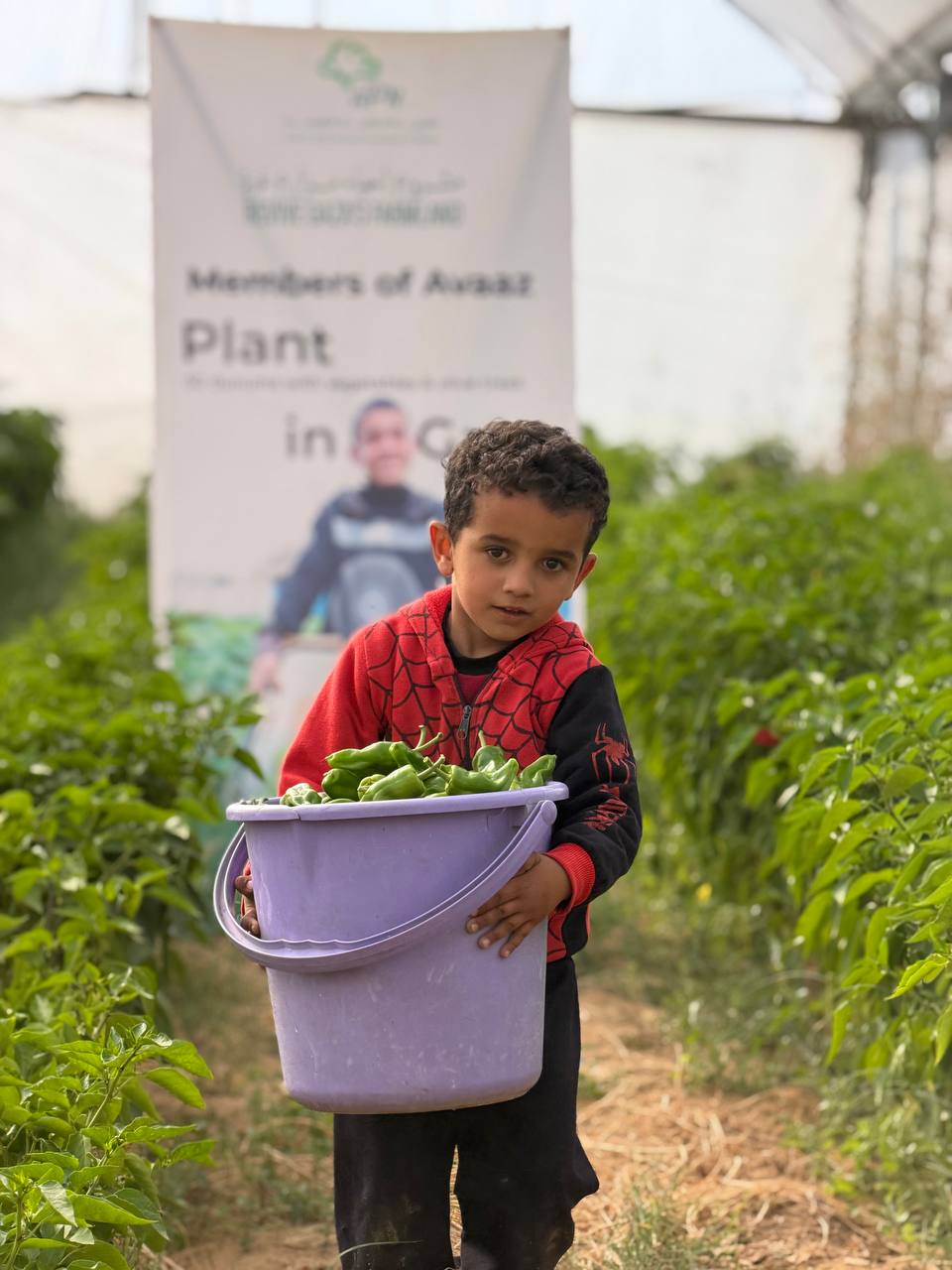
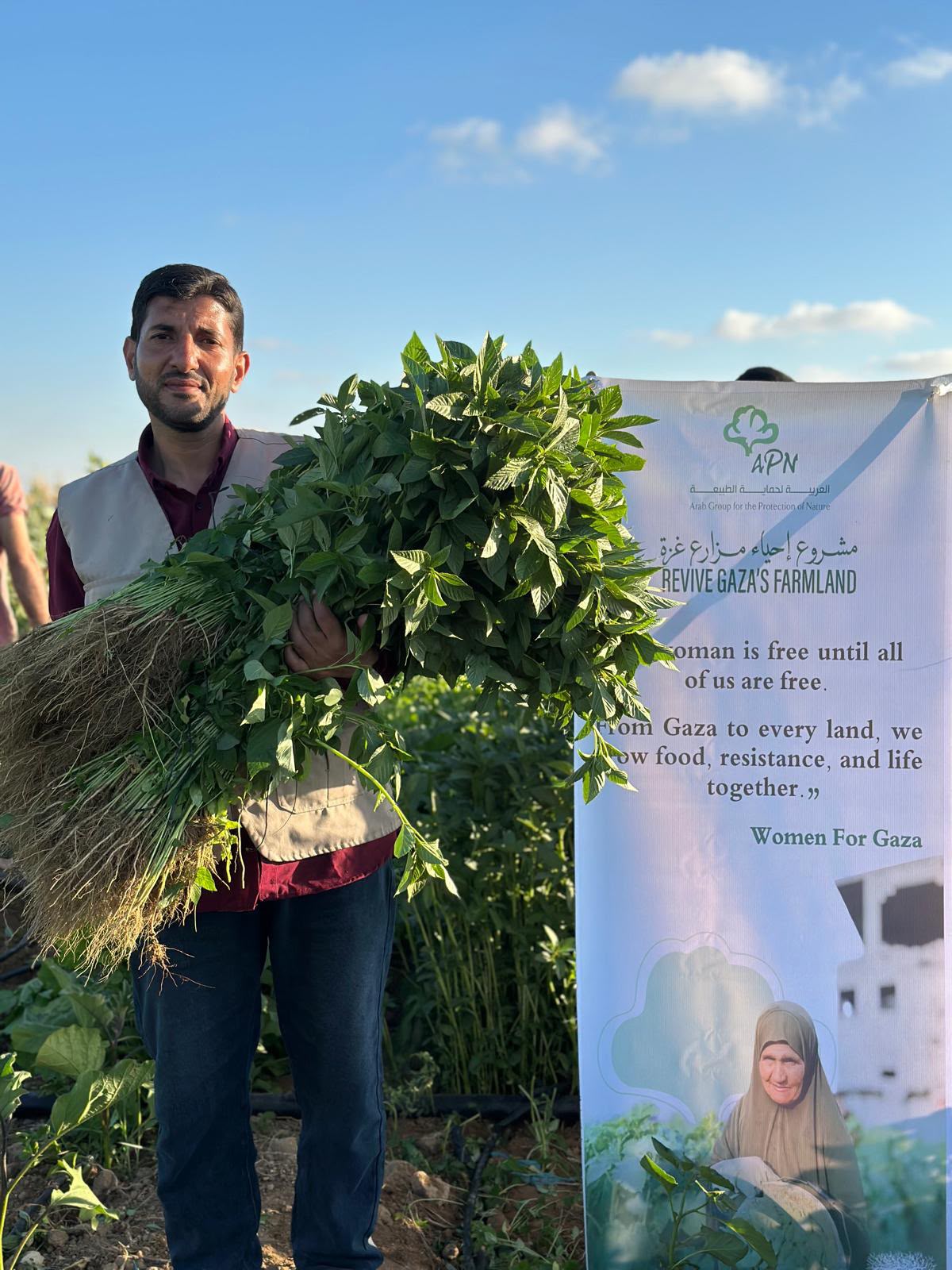
The Women for Gaza initiative further contributed by supporting the cultivation of approximately 5.3 dunums of vegetables, including eggplants, tomatoes, cabbage, molokhia, and cucumbers.
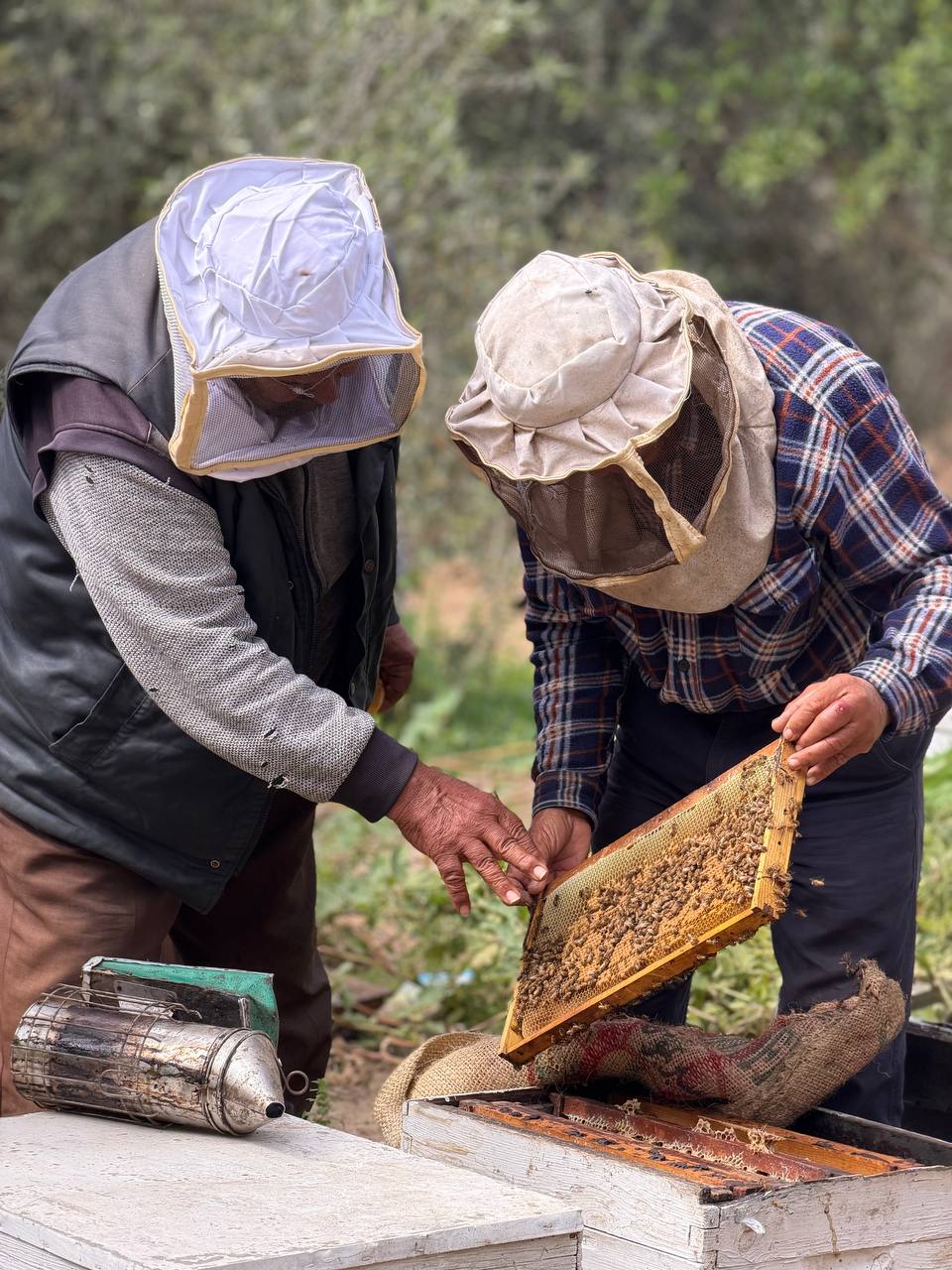
To strengthen agricultural livelihoods, APN, in partnership with the Sameer Project, successfully expanded its beekeeping initiative. Following support to six beekeepers, the number of supported beehives increased from 52 to 132 within just a few months. With each hive expected to produce around 10 kg of honey, the initiative provides a sustainable source of income for six families while enhancing agricultural biodiversity and food security in Gaza.
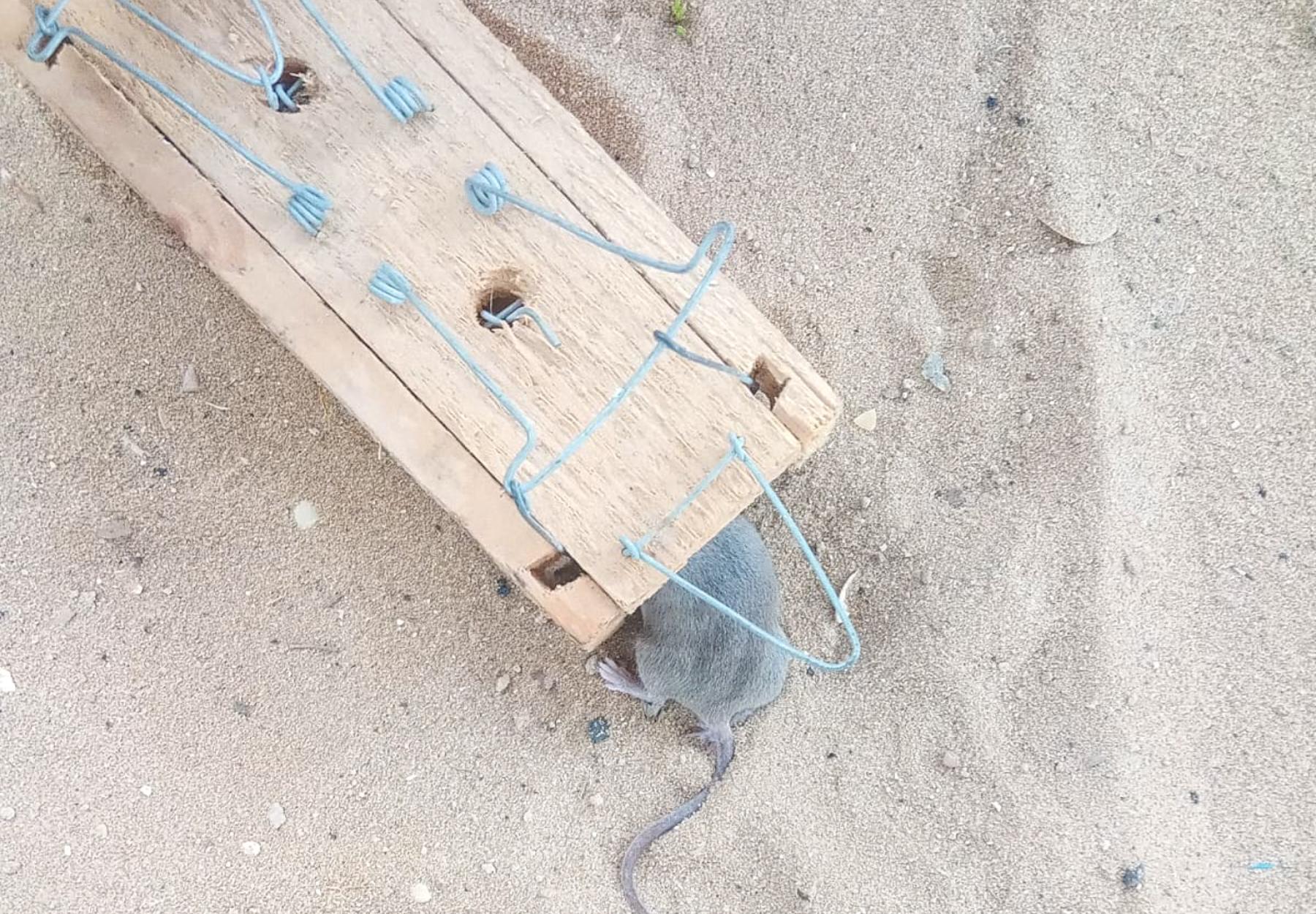
As part of its environmental and public health interventions, APN and the Sameer Project also launched a field campaign to control rodent infestations in displacement camps in northern Gaza, responding to urgent appeals from displaced communities amid severe environmental and health deterioration. The campaign targeted three camps housing at least 350 tents, distributing safe rodent-control materials, installing various traps, and conducting awareness activities to reduce health risks. This intervention comes in response to the widespread proliferation of rats and mice caused by accumulated rubble and waste, the destruction of sewage infrastructure, and the continued blockade on the entry of essential pest-control materials, all of which increase the risk of disease outbreaks and threaten the lives of thousands of displaced people, particularly children.