APN | Lebanon
19 December 2025
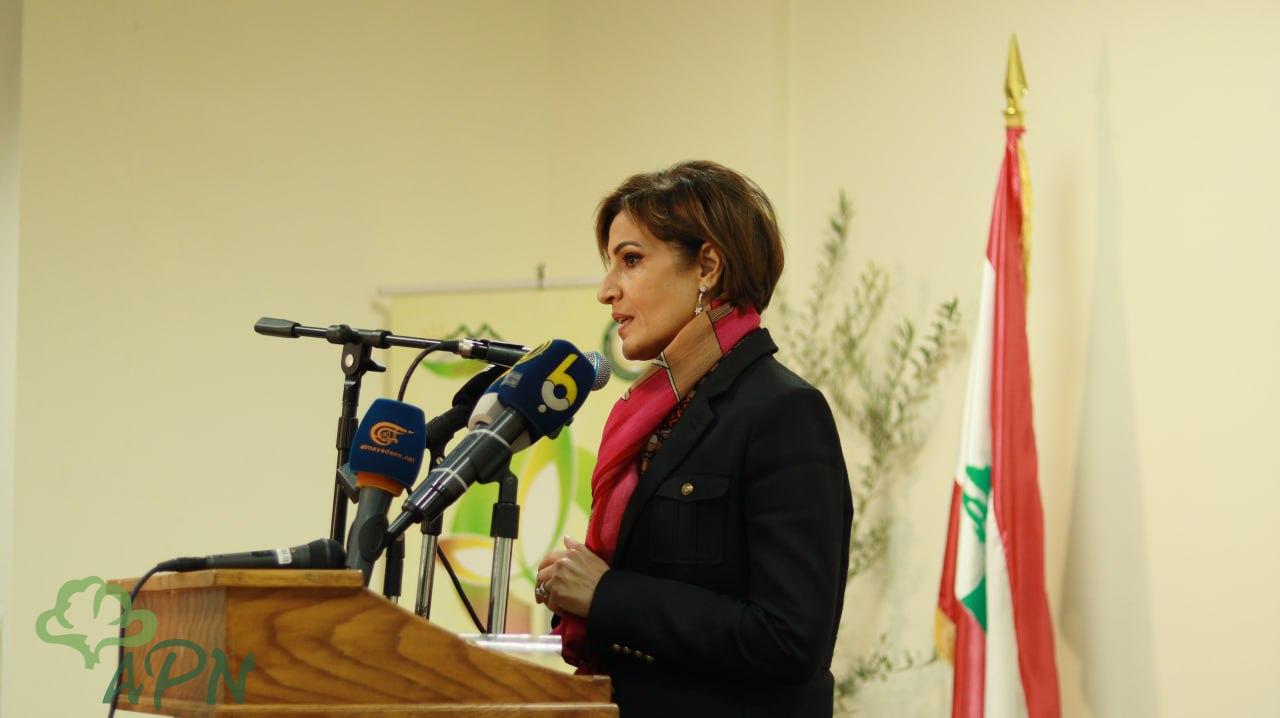
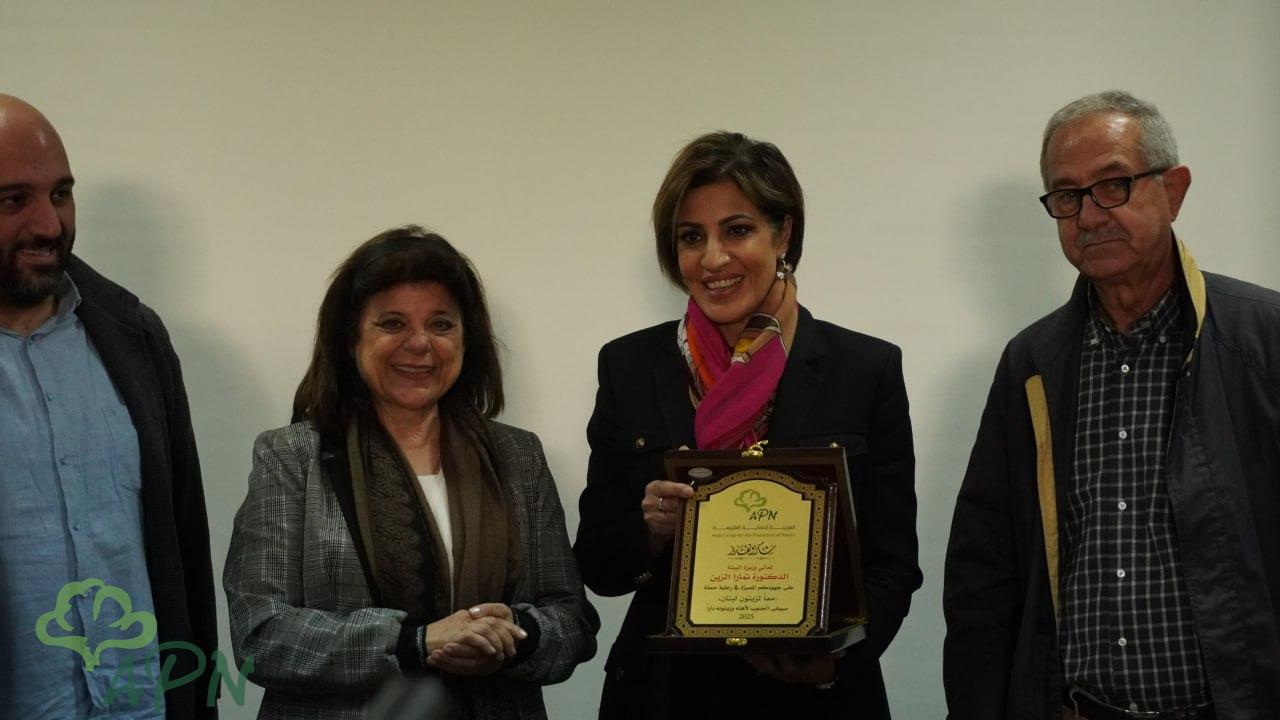
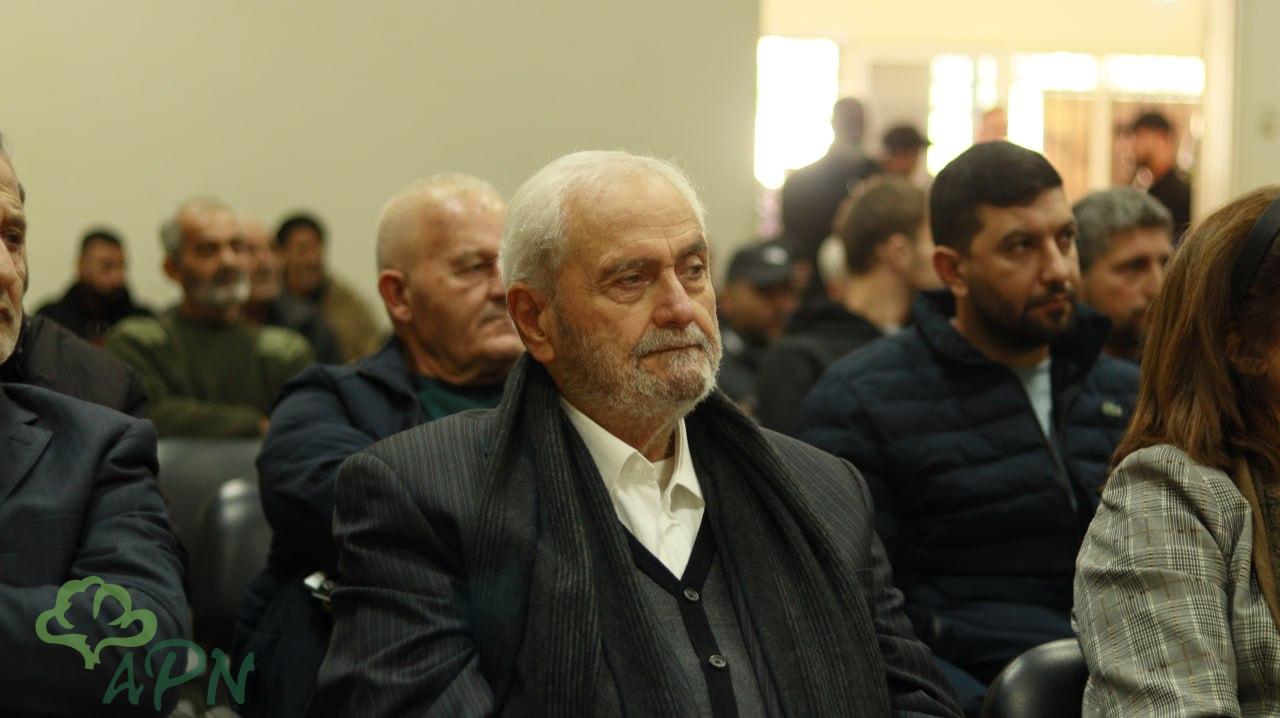
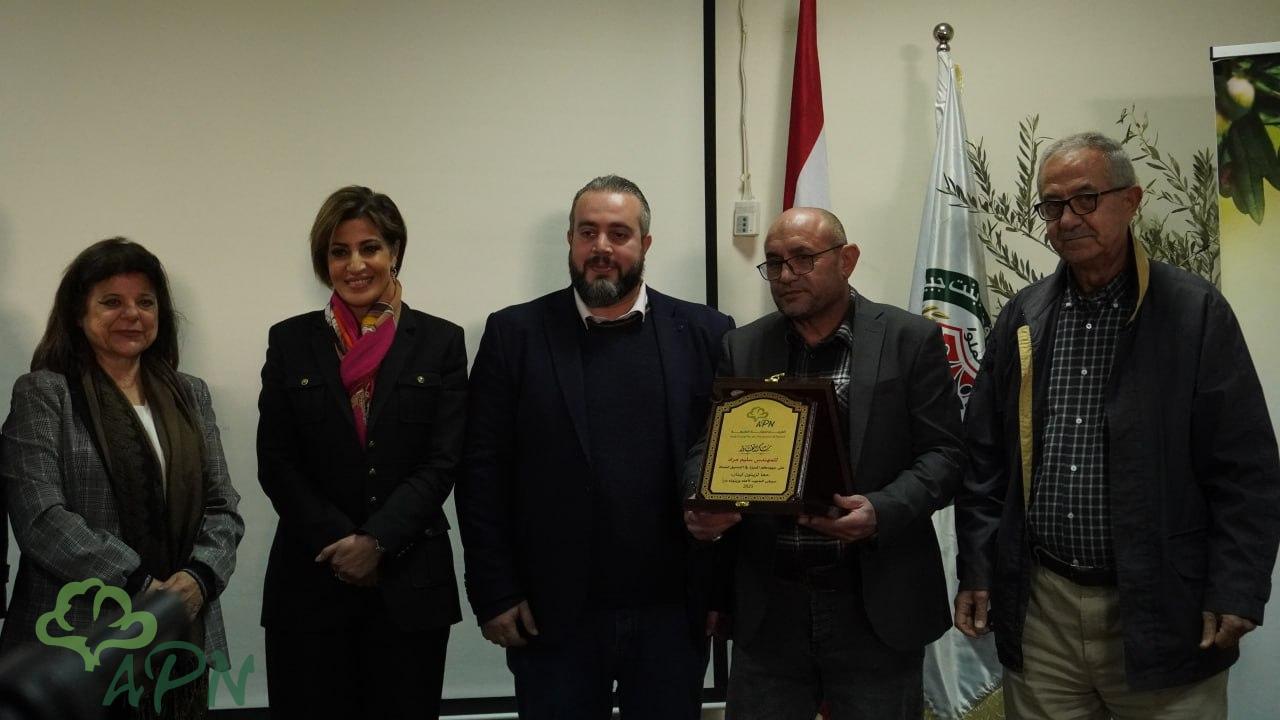
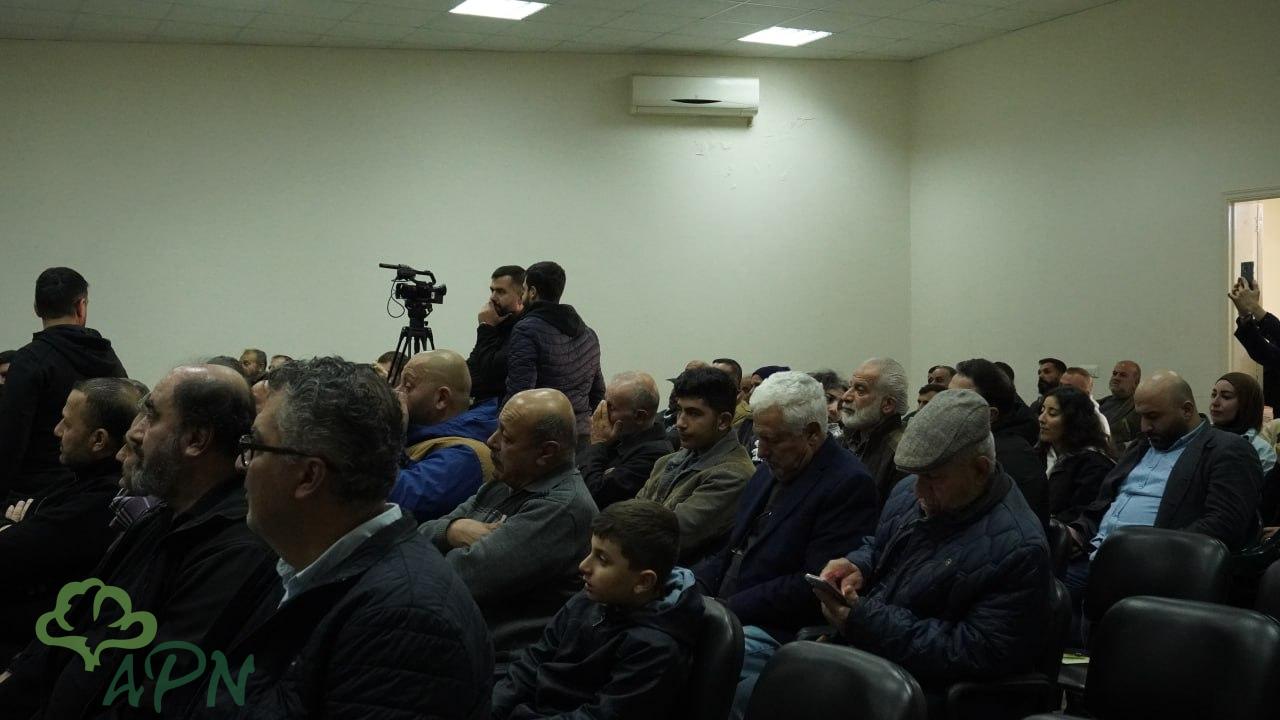
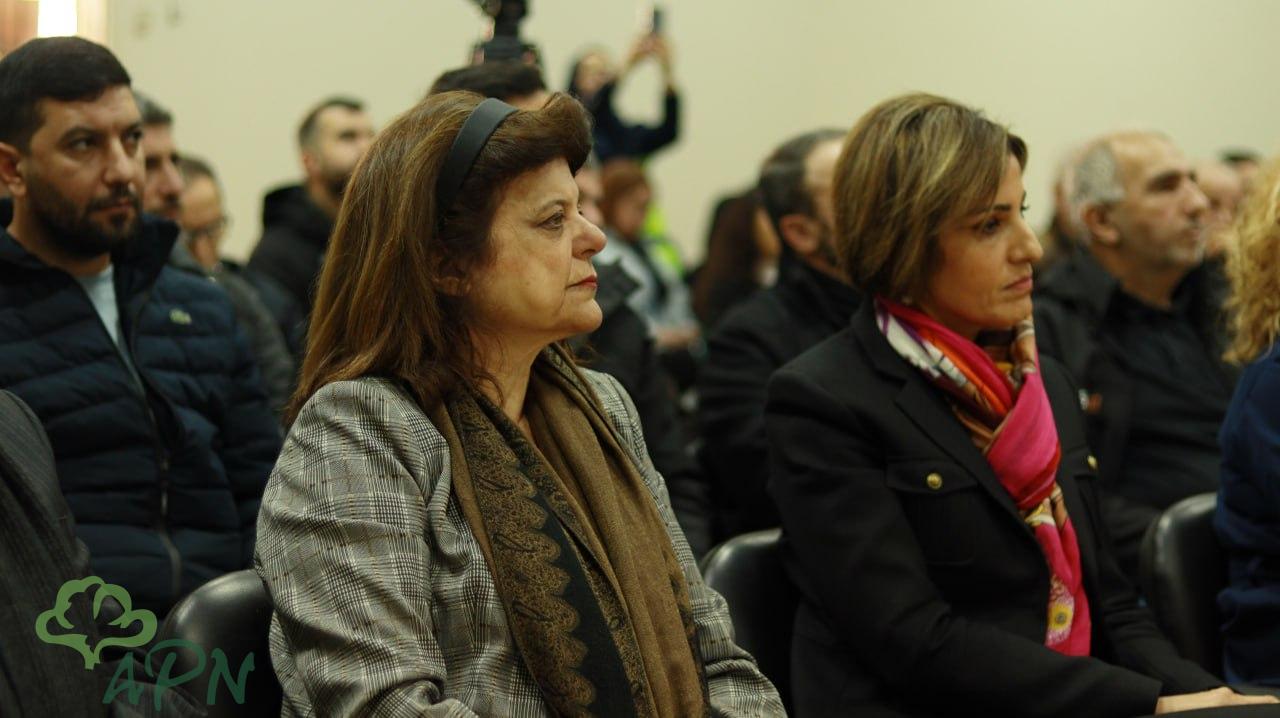
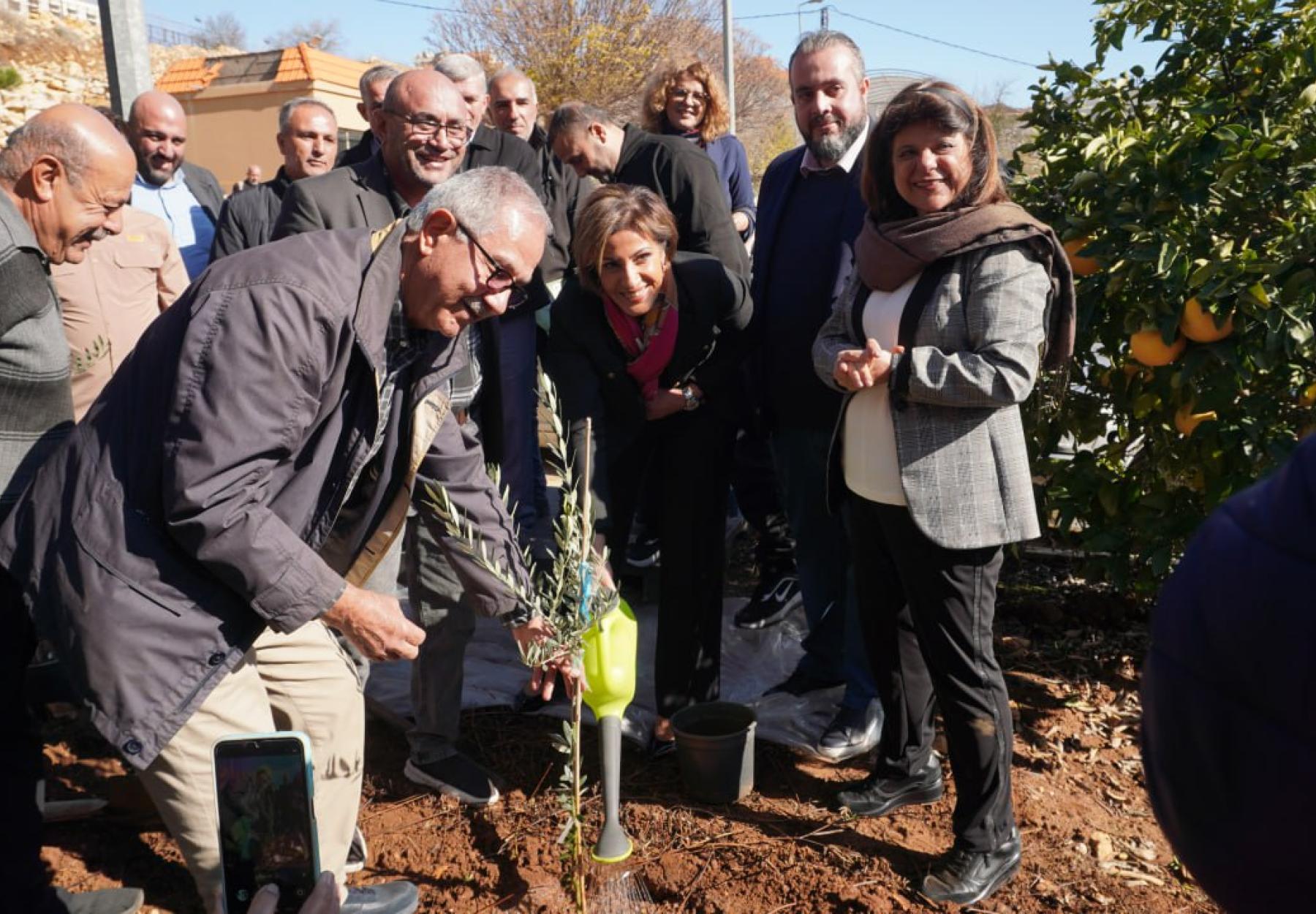
APN, in partnership with the Arab Network for Food Sovereignty and under the patronage of Lebanon’s Minister of Environment, launched a large-scale initiative to plant 10,000 local Surani olive trees with farmers in southern Lebanon’s regions hardest hit by Israeli shelling. The campaign is coordinated with the municipal unions of Bint Jbeil, Jabal Amil, and Tyre, alongside the Agricultural Movement and SIAC, as a continuation of the “Together for Lebanon’s Olives” campaign. The launch event in At Tiri drew wide participation from government officials, municipal leaders, farmers, and civil society representatives, sending a clear message: restoring the land begins with its roots.
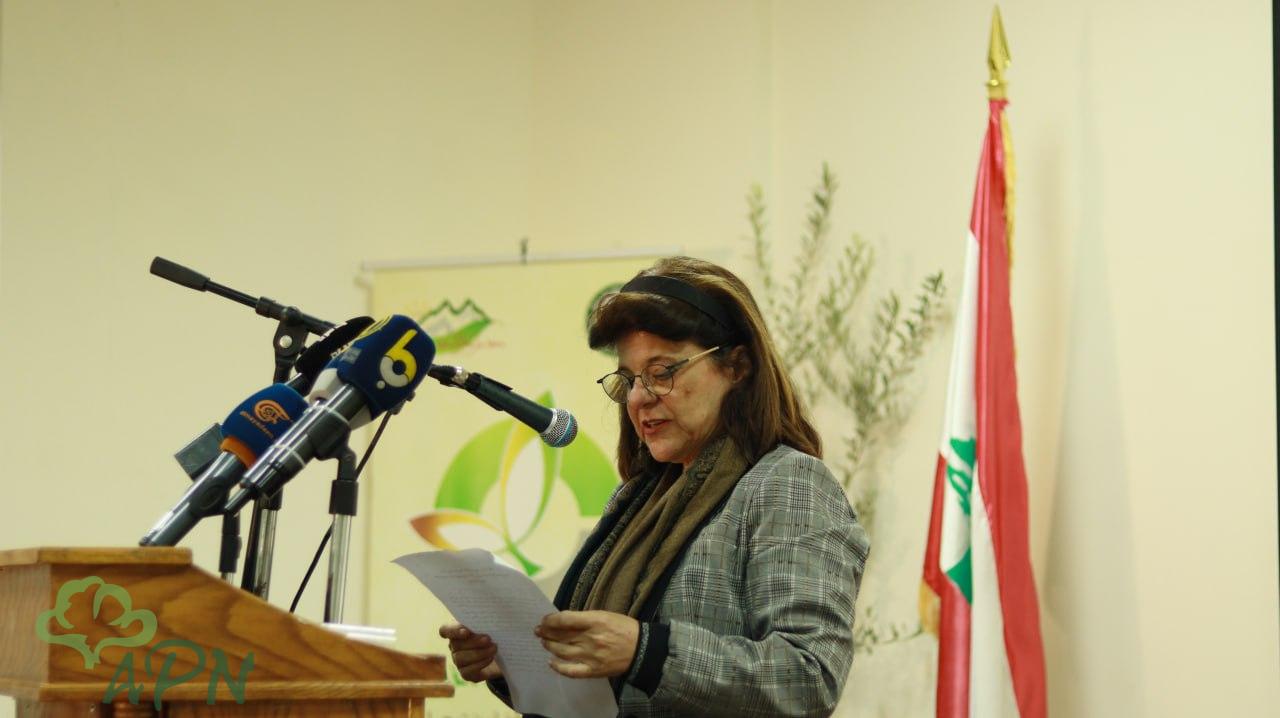
Razan Zuayter, APN Chairperson and founder of the Arab Network for Food Sovereignty, reflected on the symbolic importance of the campaign: “Standing in southern Lebanon is standing in the presence of a land and people who resisted injustice and colonialism with their blood, daily sustenance, homes, and olive trees”. She made clear that those confronting settler-colonialism face a stark choice: “Either we resist, or we surrender and are destroyed – there is no third option”. Zuayter added that food sovereignty across the Arab world is essential for political sovereignty and self-determination, affirming that agriculture constitutes a vital form of resistance in this pursuit. Her concluding remarks captured the spirit of this sentiment, “We will plant every uprooted olive tree and reclaim every stolen olive tree”.
Salim Murad, Vice President of the Bint Jbeil Municipal Union and Master of Ceremony, described the initiative as a collective act of resilience: “From the southern borders, we stand today to declare that the will to live is stronger, and the true response to destruction is planting roots”. Murad underscored that olive cultivation is not just agriculture – it symbolises endurance, revival, and sustainability, connecting environmental, social, and sovereign imperatives. He further pointed out that the partnership between ministries, municipal unions, and farmers reflects a shared obligation to protect the land, citing the Hadith on the virtue of planting, describing it as an enduring act whose impact extends across the earth and the heavens.
Representing southern farmers, Ibrahim Al-Daqdouq emphasised that remaining on the land has always been a conscious choice despite ongoing Israeli assaults: “We planted under fire and preserved the soil, guided by faith and courage”.
Murad Ayash, of the Arab Network for Food Sovereignty, added: “We are here under the banner ‘Together for Lebanon’s Olives’ because our olive trees – in the South and in Palestine – are being systematically targeted on a daily basis. Whether through military attacks, land seizures, or other forms of aggression, this is deliberate ecocide, aiming to destroy both land and people, undermining the foundations of survival and steadfastness.”
Dr. Ali Sha’ito, President of the Bint Jbeil Municipal Union, welcomed the project and pledged full support from all municipalities. Lebanon’s Minister of Environment, Tamara Zein, praised the initiative and confirmed that Parliament had approved funding for infrastructure reconstruction.
The “Together for Lebanon’s Olives” campaign began in February 2025 with the planting of 200 olive trees across Nabatieh Governorate, followed by a broader launch in April 2025 under Minister of Agriculture Nizar Hani, distributing 2,000 trees to farmers in Qana, Aytaroun, and Blida.
The campaign now aims to restore roughly 8,000 dunums of olive orchards destroyed by Israeli military aggression, safeguarding Lebanon’s agricultural heritage and the cultural identity embodied in the olive tree as a historic national symbol. Beyond replanting, the initiative seeks to strengthen food sovereignty, forge lasting partnerships with academic institutions, municipalities, and the private sector, and mobilise the Lebanese diaspora and NGOs in restoration efforts. Through these expanded collaborations, the campaign aspires to build a cohesive national framework to revive the land and renew the livelihoods of the communities that rely on it.