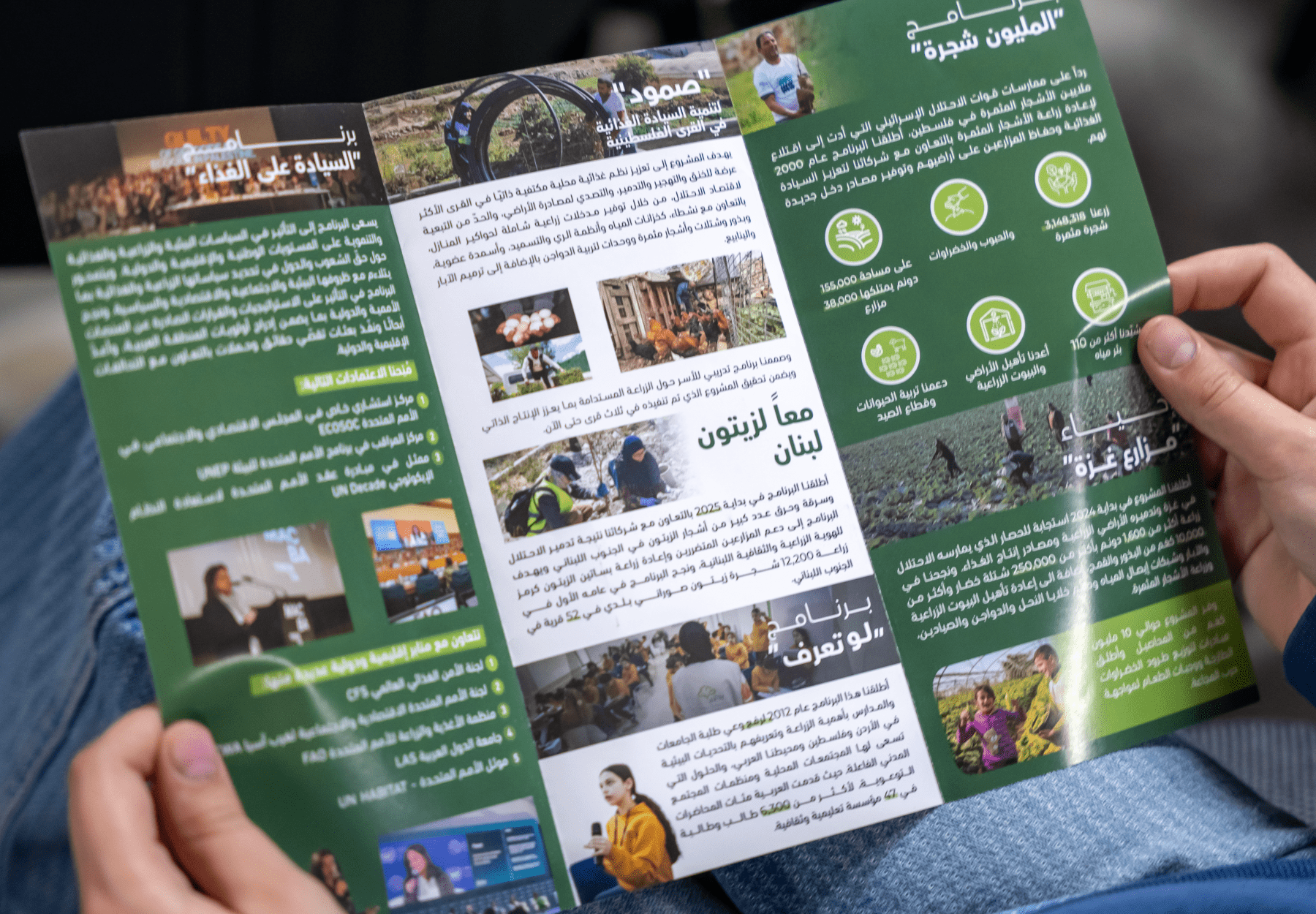
We continue to mobilize solidarity and expand our resistance across prominent global platforms. Taking part in two academic and solidarity engagements, we highlighted the concept of “Green Resistance” as an approach that integrates the protection of land, strengthening food sovereignty, and resistance to occupation policies seeking resource confiscation and the weaponisation of our food systems.
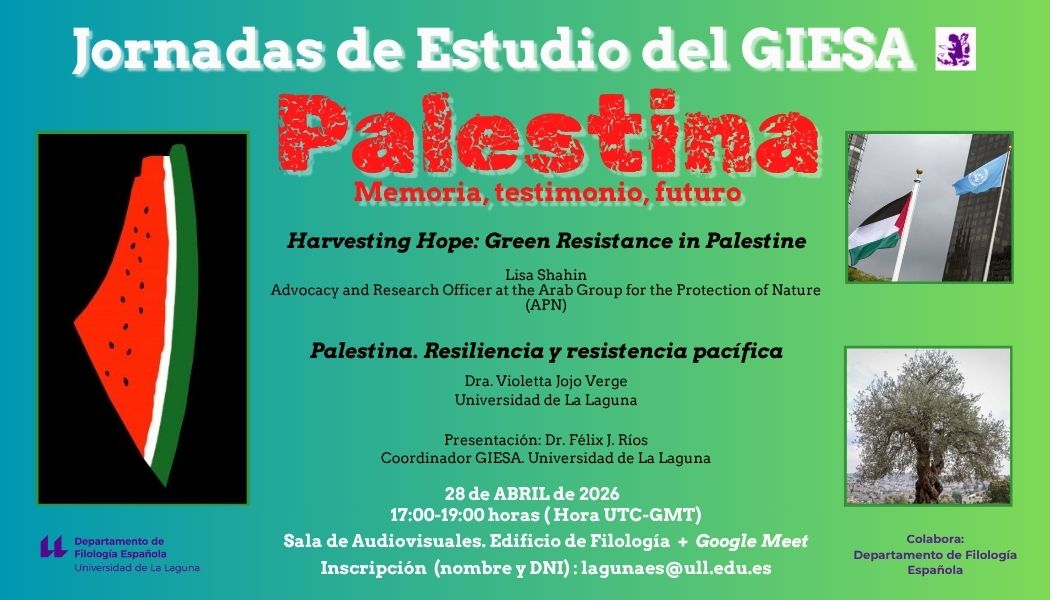
In a webinar organised by the Palestine Cymru Food Solidarity initiative, we discussed how we channel “Green Resistance” through our various programmes aimed at strengthening local agriculture and the capacity of our people to remain rooted in their land, most notably the “Revive Gaza’s Farmland” project, the Million Tree Campaign (MTC) in Palestine, and the “Together for Lebanon’s Olives” project.
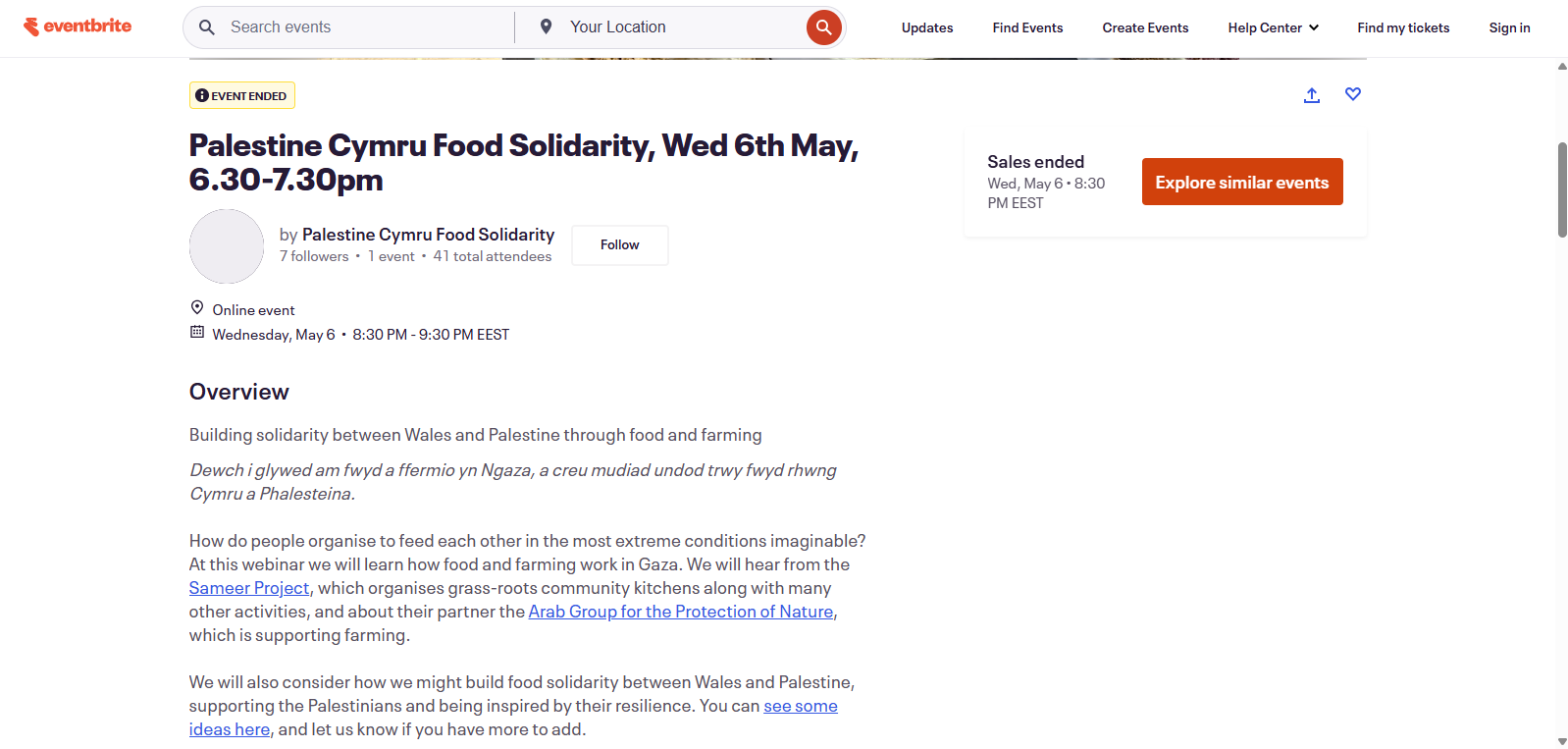
We also delivered a presentation, “Harvesting Hope: Green Resistance in Palestine,” during a session organised by the Faculty of Humanities at the University of La Laguna in Spain titled “Palestine: Memory, Testimony, and the Future”. The session saw broad attendance from academics and students to discuss the cultural, social, and political dimensions of the Palestinian experience. Shahin outlined APN’s vision and programmes to strengthen food sovereignty in Palestine and the wider Arab region as a key means of confronting the occupation and the weaponisation of food systems.
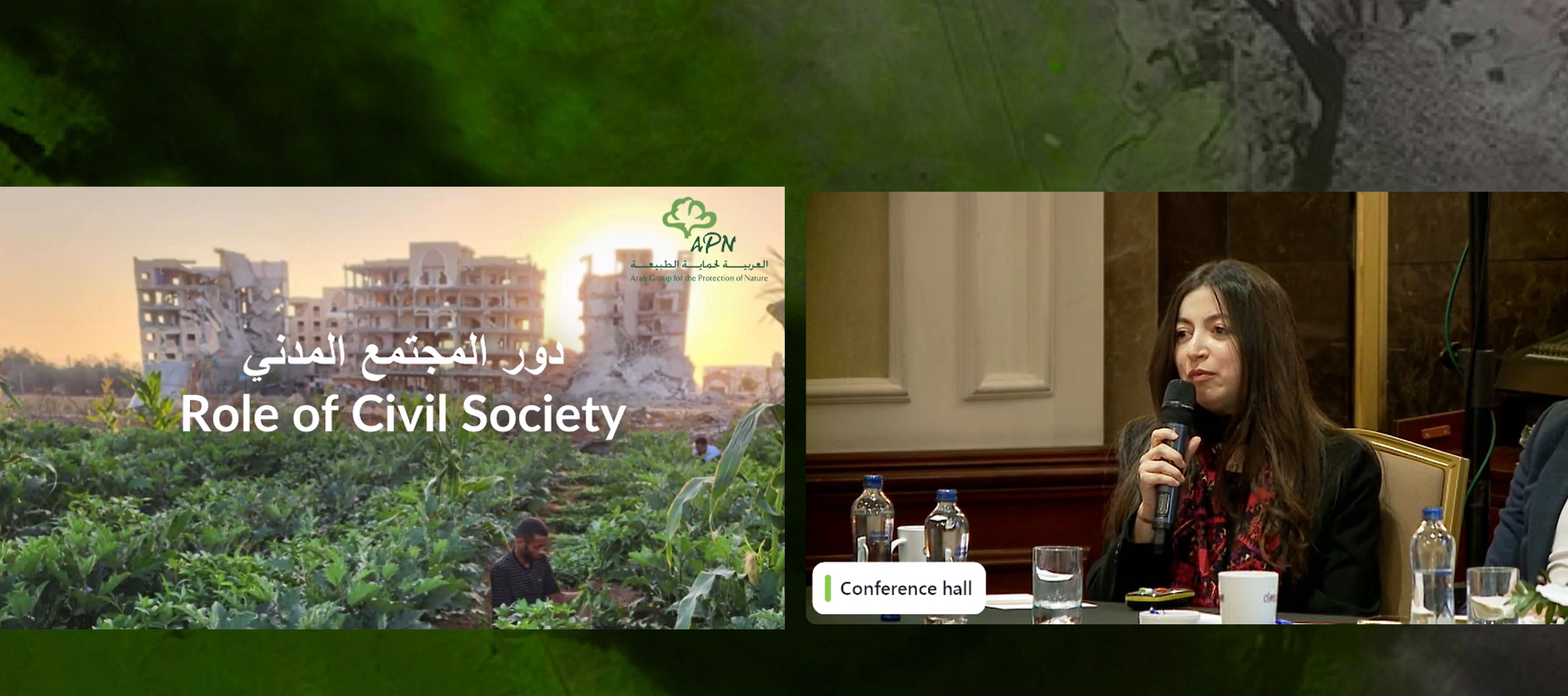
Building on our regional advocacy, APN participated in the conference, “Crossroads of Crises: Conflict, Climate, and Environment in the MENA Region”, organised by the Arab Reform Initiative in Istanbul. During a panel titled “Ecocide: From Environmental Reality to Legal Concept”, we addressed the pivotal role of civil society in advancing environmental justice and pursuing accountability in contexts of conflicts and occupation.
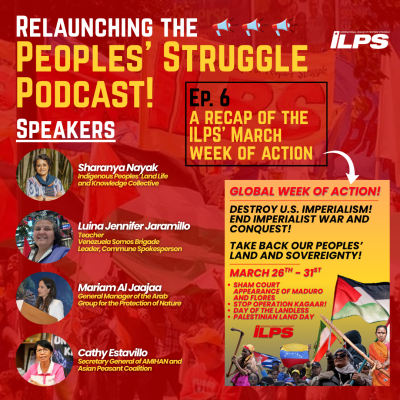
We also spoke in a podcast episode organised by the International League of Peoples’ Struggle on the occasion of Palestinian Land Day, where we discussed the Israeli occupation’s ongoing genocide and annexation campaign across Palestine, drawing attention to its systematic starvation tactics as well as the targeted destruction of agriculture and the environment as tools of erasure, alongside escalating settlement expansion and the displacement of Palestinians across the West Bank.